
The Joint Admission Test for Master’s (IIT JAM) Biotechnology examination stands as one of India’s most prestigious entrance exams for postgraduate programs in biotechnology and related fields. With thousands of aspirants competing for limited seats in premier IITs and IISc Bangalore, selecting the right coaching platform becomes crucial for your success journey. The evolution of digital education has transformed how students prepare for competitive exams, making online coaching not just an alternative but often the preferred choice for serious aspirants.
In this comprehensive guide, we’ll explore everything you need to know about preparing for IIT JAM Biotechnology, why online coaching has emerged as the optimal preparation strategy, and how CHANDU BIOLOGY CLASSES stands out as a trusted partner in your examination journey. Whether you’re a final-year undergraduate student or planning your preparation strategy well in advance, this article will provide invaluable insights to help you make informed decisions.
Understanding IIT JAM Biotechnology: The Gateway to Excellence
The IIT JAM Biotechnology examination is conducted annually by one of the Indian Institutes of Technology on a rotational basis. For 2025, IIT Delhi is conducting the examination, continuing the legacy of maintaining high standards in evaluating candidates’ understanding of biotechnology fundamentals and related sciences. The exam serves as a gateway to Master’s programs (M.Sc., Joint M.Sc.-Ph.D., M.Sc.-Ph.D. Dual Degree) in biotechnology and related disciplines at IITs and the Integrated Ph.D. programs at IISc Bangalore.
The examination pattern comprises a computer-based test spanning three hours, during which candidates must attempt 60 questions carrying a total of 100 marks. The paper is divided into three distinct sections with varying question types and marking schemes, testing not just knowledge but also analytical thinking and problem-solving abilities.
Section A contains 30 Multiple Choice Questions (MCQs), with 10 one-mark questions and 20 two-mark questions. This section evaluates your foundational understanding and quick recall abilities. Section B presents 10 Multiple Select Questions (MSQs) worth two marks each, where one or more options may be correct, demanding deeper conceptual clarity. Section C features 20 Numerical Answer Type (NAT) questions divided equally between one-mark and two-mark questions, requiring precise calculations and conceptual application.
The syllabus encompasses four major domains: Biology (covering approximately 44 questions), Chemistry (around 5 questions), Physics (approximately 3-4 questions), and Mathematics (about 3-4 questions). The biology section dominates the paper with topics ranging from cell biology, genetics, molecular biology, biochemistry, microbiology, immunology, to biotechniques and their applications. This distribution means that while having a strong foundation in biology is essential, neglecting the other subjects can cost valuable marks.
Why Online Coaching Has Revolutionized IIT JAM Preparation
The traditional classroom coaching model, while effective, comes with inherent limitations that online coaching elegantly addresses. The geographical constraints that once forced talented students to relocate to metro cities for quality coaching have been eliminated. Students from tier-2 and tier-3 cities now access the same quality of education as their urban counterparts, democratizing preparation opportunities.
Flexibility stands as perhaps the most significant advantage of online coaching. Unlike rigid classroom schedules, online platforms allow students to learn at their own pace, revisiting difficult concepts multiple times without feeling left behind. For final-year undergraduate students juggling college examinations, projects, and JAM preparation, this flexibility proves invaluable. You can access recorded lectures at midnight or early morning, fitting study sessions around your existing commitments.
The cost-effectiveness of online coaching cannot be overlooked. Traditional coaching centers charge substantial fees, which, when combined with accommodation, transportation, and living expenses in metro cities, can strain family finances. Online coaching eliminates these peripheral costs while often offering more comprehensive study materials and resources at a fraction of the price. This financial accessibility ensures that merit, not monetary resources, determines preparation quality.
Interactive learning technologies have enhanced engagement beyond what traditional classrooms could offer. Live doubt-clearing sessions, instant assessment feedback, personalized performance analytics, and adaptive learning paths create a customized learning experience. Modern online platforms use data analytics to identify your weak areas and recommend targeted practice, something impossible in a one-size-fits-all classroom environment.
The availability of extensive digital resources transforms preparation strategies. Comprehensive video libraries covering every syllabus topic, downloadable study notes and revision materials, thousands of practice questions with detailed solutions, previous year question papers with video explanations, and topic-wise mock tests for gradual skill building create an ecosystem that supports every learning need. These resources remain accessible throughout your preparation journey, serving as your personal study library.
Essential Components of Effective Online Coaching for IIT JAM Biotechnology
When evaluating coaching options, understanding what constitutes quality online coaching helps make informed decisions. The most critical component remains faculty expertise. Instructors must possess not just advanced degrees in biotechnology but also proven teaching abilities and examination insight. They should understand the exam pattern intimately, anticipate question trends, and communicate complex concepts in accessible language.
Study material quality directly impacts preparation effectiveness. The best online coaching for IIT JAM Biotechnology should provide comprehensive notes covering every syllabus topic with appropriate depth, diagrams and flowcharts that simplify complex biological processes, comparison tables for topics requiring discrimination, previous year questions integrated with theory, and regular updates reflecting any syllabus or pattern changes.
A robust test series infrastructure remains non-negotiable. Regular topic-wise tests help consolidate learning, subject-wise full-length tests assess subject mastery, full-length mock tests that exactly simulate exam conditions build stamina and time management skills, all-India test series provide realistic rank predictions and competitive benchmarking, and detailed performance analytics identify improvement areas.
Personalized doubt resolution mechanisms separate good coaching from great coaching. The availability of dedicated doubt-clearing sessions, response time commitments, multiple channels for doubt submission, and faculty accessibility for complex queries ensures no concept remains unclear. The fear of asking “silly questions” in crowded classrooms disappears in online forums where students can seek clarifications anonymously if desired.
Technical infrastructure deserves careful consideration. Reliable streaming technology without frequent buffering, mobile app availability for learning on the go, offline content download options for areas with poor connectivity, user-friendly interface requiring minimal tech-savviness, and responsive customer support for technical issues ensure smooth learning experiences.
CHANDU BIOLOGY CLASSES: Your Trusted Partner for IIT JAM Biotechnology Success
When it comes to specialized biology coaching for competitive exams, CHANDU BIOLOGY CLASSES has established itself as a trusted name among aspirants. Their approach combines academic rigor with personalized attention, creating an environment where students don’t just learn but truly understand biotechnology concepts.
CHANDU BIOLOGY CLASSES recognizes that IIT JAM Biotechnology requires more than rote memorization. Their teaching methodology emphasizes conceptual clarity, ensuring students understand the “why” behind every biological phenomenon. This deep understanding enables students to tackle application-based questions confidently, a critical skill given the exam’s increasing focus on analytical questions.
The faculty at CHANDU BIOLOGY CLASSES brings years of teaching experience specifically in biotechnology subjects. They stay updated with examination trends, continuously refining teaching strategies based on each year’s question paper analysis. This examination-oriented approach ensures students focus their efforts on high-yield topics without neglecting any syllabus area.
Their study materials reflect meticulous preparation, with comprehensive coverage that balances breadth and depth. Each topic is explained with multiple examples, ensuring concepts stick in long-term memory. Visual aids, including diagrams, flowcharts, and concept maps, make complex processes like DNA replication, protein synthesis, or immunological responses easier to grasp and recall during examinations.
CHANDU BIOLOGY CLASSES’s test series has been designed keeping the actual examination pattern in mind. Regular assessments help students track progress, identify weak areas early, and work systematically on improvement. The detailed solutions provided for every test question serve as additional learning resources, often introducing alternative problem-solving approaches.
What truly distinguishes CHANDU BIOLOGY CLASSES is their commitment to individual student success. Recognizing that each student has unique strengths and challenges, they provide personalized guidance and support. Whether you’re strong in molecular biology but struggle with biochemistry calculations, or excel at theory but need practice with numerical problems, their team helps create customized study plans.
The flexibility offered by their online coaching platform suits the demanding schedules of undergraduate students. Recorded lectures remain accessible for repeated viewing, allowing students to pause, rewind, and review difficult segments. Live interactive sessions scheduled at convenient times ensure real-time doubt resolution and peer interaction.
CHANDU BIOLOGY CLASSES also recognizes that IIT JAM preparation extends beyond academic content. They provide guidance on examination strategies, time management during the three-hour test, approach to different question types, and stress management techniques. This holistic preparation approach ensures students enter the examination hall confident and composed.
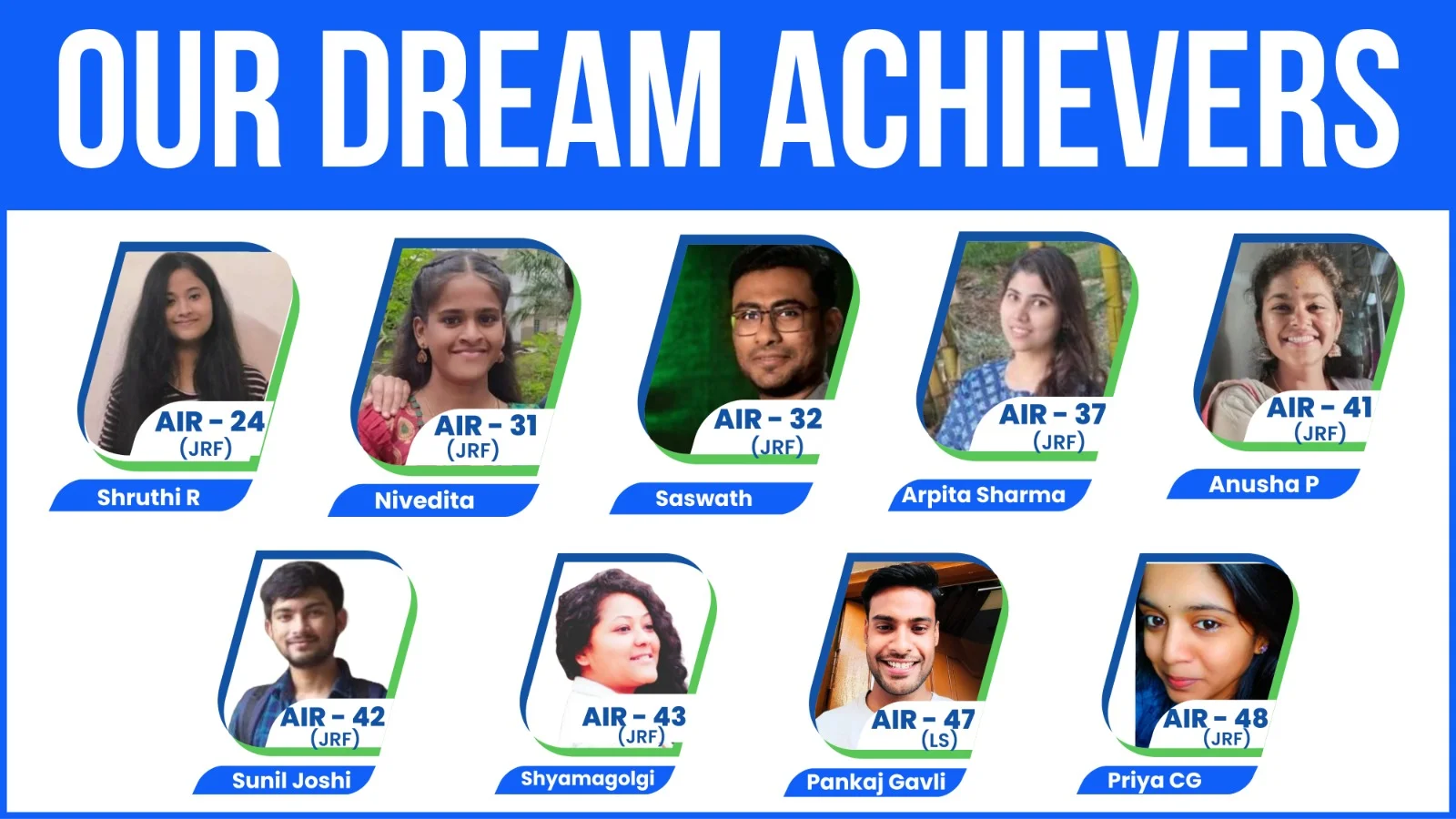
Their success rate speaks volumes about their teaching effectiveness. Year after year, students from CHANDU BIOLOGY CLASSES secure admission to premier institutes, with many achieving top ranks. These success stories aren’t accidents but results of systematic preparation, dedicated mentorship, and student commitment fostered by the coaching environment.
Strategic Preparation Roadmap for IIT JAM Biotechnology
Success in IIT JAM Biotechnology demands more than enrolling in good coaching; it requires strategic planning and disciplined execution. Understanding the preparation timeline helps optimize your efforts across different phases.
The foundation phase, typically lasting 3-4 months, focuses on building strong conceptual bases across all four subjects. During this phase, attend all classes regularly without skipping topics, take detailed notes even if study material is provided, create your own summary sheets for quick revision, solve basic problems immediately after learning concepts, and don’t hesitate to ask doubts, no matter how basic they seem. Many students make the mistake of rushing through this phase, only to struggle later when concepts build upon each other.
The intensive preparation phase, spanning 4-5 months, shifts focus toward extensive practice and application. Start solving previous year questions topic-wise to understand examination patterns, gradually increase problem-solving speed without compromising accuracy, begin taking regular mock tests to build stamina, identify patterns in questions and common examiner tricks, and maintain error logs documenting mistakes and their corrections. This phase transforms theoretical knowledge into examination performance.
The revision phase, covering the final 2-3 months, prioritizes consolidation and speed enhancement. Review your own notes and summary sheets rather than reading entire study material again, focus heavily on weak areas identified through mock tests, practice numerical problems daily to maintain calculation speed, take full-length mock tests under strict timed conditions, and analyze each mock test thoroughly, spending as much time on analysis as on taking the test. Quality revision during this phase can significantly boost your final score.
The final month requires strategic fine-tuning. Avoid starting new topics or deep-diving into difficult concepts, maintain light study to prevent burnout while keeping your brain active, focus on quick-revision materials like flashcards and formula sheets, take one full-length mock test every 2-3 days, practice relaxation techniques to manage examination anxiety, and ensure proper sleep, nutrition, and exercise to maintain peak mental performance.
Subject-Wise Preparation Strategies
Biology, constituting approximately 75% of the paper, demands the most attention and strategic preparation. Cell biology forms the foundation, requiring thorough understanding of cell structure, organelles, membrane transport, and cell signaling. Use diagrams extensively; biological processes are often easier to remember visually than through text. Create comparison charts for prokaryotic vs. eukaryotic cells, plant vs. animal cells, and different organelle functions.
Genetics requires both conceptual clarity and problem-solving skills. Understand Mendelian genetics thoroughly before moving to molecular genetics. Practice pedigree analysis, gene mapping, and probability calculations regularly. Molecular biology topics like DNA replication, transcription, translation, and gene regulation are favorite areas for examiners. Create flowcharts for these processes, marking key enzymes, energy requirements, and regulatory points.
Biochemistry demands memorization of structures, pathways, and reaction mechanisms. For metabolic pathways, understand the logic behind each step rather than rote memorization. Focus on energetics, regulation points, and interconnections between pathways. Practice enzyme kinetics problems until they become intuitive. For biomolecules, understand structure-function relationships deeply.
Microbiology requires comprehensive coverage of bacterial structure, growth, metabolism, genetics, and viral biology. Pay special attention to industrial applications, genetic engineering techniques using microbes, and microbe-environment interactions. Immunology, often challenging for students, needs systematic study of immune responses, antibodies, complement system, and hypersensitivity reactions.
For biotechniques, understand the principle, procedure, applications, and limitations of each technique. PCR, gel electrophoresis, centrifugation, chromatography, microscopy, and spectroscopy regularly appear in examinations. Be prepared to identify techniques based on described procedures or suggest appropriate techniques for specific applications.
Mathematics, though contributing only 3-4 questions, can provide easy marks with proper preparation. Focus on calculus (differentiation, integration, differential equations), algebra (matrices, determinants, sets), vectors, probability and statistics, and trigonometry. Practice standard problem types; mathematics questions in JAM Biotechnology typically test basic application rather than advanced problem-solving.
Physics questions generally come from mechanics (motion, work, energy, rotational dynamics), electricity and magnetism (circuits, electromagnetic induction), optics (interference, diffraction, microscopy), and modern physics (atomic structure, radioactivity). Understanding concepts and practicing numerical problems ensures you don’t lose these relatively straightforward marks.
Chemistry focuses on physical chemistry (thermodynamics, equilibrium, kinetics) and organic chemistry (reaction mechanisms, stereochemistry, biomolecule chemistry). These areas directly support biotechnology understanding, so integrate chemistry preparation with biology rather than treating them separately.
Maximizing Benefits from Online Coaching
Simply enrolling in the best online coaching for IIT JAM Biotechnology isn’t sufficient; maximizing its benefits requires active engagement and disciplined approach. Treat online classes with the same seriousness as physical classes. Create a dedicated study space free from distractions, attend live sessions whenever possible rather than relying solely on recordings, take notes actively during classes rather than passively watching, and maintain regular study schedules to prevent procrastination.
Leverage the flexibility of online platforms without abusing it. While recorded lectures allow repeated viewing, don’t fall into the trap of endlessly postponing watching classes. Watch each lecture within 24-48 hours of its scheduled time, then revisit specific segments during revision rather than rewatching entire lectures. This approach balances freshness with flexibility.
Participate actively in doubt-clearing sessions. Prepare your doubts systematically, clearly articulating what you understand and where specifically you’re stuck. Watch doubt sessions even when you don’t have questions; others’ doubts often cover concepts you’ve misunderstood without realizing. Engage with peer discussions; teaching concepts to others or discussing problems with fellow aspirants deepens your own understanding.
Utilize all provided resources comprehensively. Don’t limit yourself to just video lectures; download and study written materials, solve all provided practice problems even if they seem easy, analyze previous year question papers with provided solutions, and explore additional resources or references recommended by faculty. The best online coaching for IIT JAM Biotechnology provides extensive resources beyond core lectures; utilizing them fully maximizes your investment.
Take mock tests seriously, treating each as actual examination practice. Take tests in one sitting without breaks, use rough paper and calculators exactly as permitted in the exam, and strictly adhere to time limits without extensions. The post-test analysis matters as much as taking the test. Spend adequate time reviewing wrong answers, understanding why the correct answer is right and your chosen answer was wrong, identifying conceptual gaps versus silly mistakes, and noting topics requiring additional study.
Common Pitfalls to Avoid During IIT JAM Biotechnology Preparation
Even dedicated students sometimes derail their preparation through common mistakes. Procrastination tops this list; the availability of recorded lectures can create a false sense of security, leading students to postpone watching classes. This creates backlogs that become overwhelming, causing stress and incomplete syllabus coverage. Combat this by treating online classes with the same scheduling rigidity as physical classes.
Neglecting subjects other than biology proves costly. While biology dominates the paper, losing marks in mathematics, physics, and chemistry due to inadequate preparation prevents achieving top ranks. These subjects often offer easier marks than some difficult biology topics. Allocate preparation time proportionate to each subject’s weightage, ensuring none is completely ignored.
Passive learning, particularly common in online environments, hampers retention. Simply watching videos without active note-taking, solving problems, or testing understanding creates an illusion of learning without actual mastery. Engage actively with every learning session through note-taking, self-questioning, immediate problem-solving, and concept explanation to yourself or others.
Ignoring weak areas by repeatedly studying comfortable topics provides psychological satisfaction but doesn’t improve scores. Many students avoid topics they find difficult, focusing disproportionately on areas they already understand well. This strategy leaves exploitable weaknesses. Systematically identify and address weak areas, allocating extra time and effort to transform weaknesses into strengths.
Inadequate test practice before the actual examination leaves students underprepared for examination pressures. Taking mock tests only occasionally or without proper analysis fails to build the speed, accuracy, and temperament needed for the actual exam. Regular, serious mock test practice under realistic conditions is non-negotiable for examination success.
Neglecting physical and mental health during intense preparation proves counterproductive. Irregular sleep, poor nutrition, no exercise, and constant stress impair cognitive function, memory, and problem-solving abilities. Maintain regular sleep schedules, eat nutritious meals, incorporate physical activity, and practice stress-management techniques. A healthy body and calm mind significantly enhance learning efficiency and examination performance.
Beyond the Examination: Career Opportunities After IIT JAM Biotechnology
Understanding career prospects motivates preparation and helps contextualize your efforts. Successful IIT JAM Biotechnology candidates gain admission to M.Sc. programs in biotechnology, microbiology, bioinformatics, and related fields at IITs and IISc Bangalore. These programs provide world-class education, research exposure, and excellent placement opportunities.
The biotechnology sector has experienced explosive growth, with expanding opportunities in pharmaceuticals, bioinformatics, agricultural biotechnology, environmental biotechnology, and industrial biotechnology. M.Sc. graduates from premier institutes secure positions in leading companies like Biocon, Dr. Reddy’s, Cipla, TCS, Infosys (bioinformatics), and numerous startups. Research positions in government organizations like CSIR labs, ICMR, ICAR, and DBT-funded institutions offer fulfilling careers for research-oriented individuals.
Many graduates pursue Ph.D. programs, either in India or internationally, leading to academic or industrial research careers. The M.Sc. degree from IIT/IISc significantly strengthens applications for overseas universities and fellowship programs. Some students transition into data science, using their quantitative skills and domain knowledge in biological data analysis, a rapidly growing field.
The investment in quality coaching, dedicated preparation, and clearing IIT JAM opens doors to opportunities that shape careers and lives. Understanding this bigger picture helps maintain motivation during challenging preparation phases.
Technology and Innovation in Modern Biotechnology Education
The best online coaching for IIT JAM Biotechnology leverages technological advancements to enhance learning experiences. Artificial intelligence-powered adaptive learning platforms identify individual learning patterns and knowledge gaps, customizing content delivery and practice recommendations. Virtual laboratories provide simulated experimental experiences, helping students understand biotechniques without physical lab access.
Interactive 3D molecular visualization tools help understand complex structures and processes like protein folding, DNA replication machinery, or cellular signaling cascades in ways static diagrams cannot achieve. Gamification elements in learning platforms increase engagement, making intensive preparation less monotonous. Discussion forums and social learning features create virtual study communities where students share resources, discuss concepts, and motivate each other.
CHANDU BIOLOGY CLASSES incorporates appropriate technologies to enhance learning without overwhelming students with unnecessary complexity. Their platform balances technological innovation with proven pedagogical methods, ensuring technology serves learning rather than becoming a distraction.
Time Management and Productivity Strategies
Effective time management differentiates successful aspirants from others with similar potential. Create a realistic study schedule that accounts for college commitments, personal time, and buffer for unexpected events. Avoid creating overly ambitious plans that become impossible to follow, leading to demotivation. Better to consistently follow a moderate plan than frequently abandon ambitious ones.
Employ the Pomodoro Technique or similar focused work methods: study intensely for 45-50 minutes followed by 10-minute breaks. This prevents mental fatigue while maintaining high concentration during study periods. Track your actual study time versus planned time to identify procrastination patterns and time-wasting activities.
Prioritize tasks using the Eisenhower Matrix, distinguishing between urgent-important, important-not urgent, urgent-not important, and neither urgent nor important tasks. Focus primarily on important activities, whether urgent or not, rather than getting consumed by urgent but unimportant distractions. This ensures progress toward examination preparation rather than merely feeling busy.
Batch similar tasks together to reduce mental switching costs. Dedicate specific time blocks to watching lectures, solving problems, taking tests, or revising notes rather than randomly jumping between activities. This focused approach improves efficiency and reduces mental fatigue.
Developing the Right Mindset for Competitive Examinations
Success in competitive exams requires mental strength beyond academic preparation. Develop a growth mindset, viewing challenges and mistakes as learning opportunities rather than failures. Each incorrect answer in practice tests reveals knowledge gaps that you can address before the actual examination. This perspective transforms setbacks into stepping stones.
Manage comparison with peers constructively. While healthy competition motivates, constant comparison can breed anxiety and self-doubt. Focus on your personal progress rather than others’ achievements. Your preparation journey is unique; comparisons often prove demotivating and unproductive.
Practice mindfulness and stress management techniques. Regular meditation, deep breathing exercises, or physical activities help manage examination anxiety. Learning to calm your mind under pressure significantly improves performance during the actual examination. Many students know the material but underperform due to anxiety and pressure.
Build resilience to handle setbacks. Not every study session will be productive; some days you’ll struggle to concentrate or understand concepts. Accept this as normal rather than catastrophizing. One bad day or even week doesn’t define your preparation or predict examination failure. Consistency over months matters more than perfection every single day.
Final Preparation Tips and Examination Day Strategy
As examination day approaches, shift focus from learning new material to consolidating existing knowledge and building confidence. Two weeks before the exam, stop attempting new topics or practice problems on unfamiliar areas. Focus exclusively on revision, formula sheets, quick reference notes, and concepts you’ve already studied.
During the final week, maintain a light study schedule preventing burnout while keeping your mind engaged. Take one full-length mock test early in the week but avoid tests in the final 2-3 days. Instead, do light revision of your notes, go through important formulas and diagrams, practice previous year questions you’ve solved before, and ensure adequate sleep.
The day before the examination should be relatively relaxed. Avoid intensive studying which can increase anxiety and fatigue. Instead, do very light revision of formulas and key concepts, prepare your documents (admit card, ID proof) and examination kit (stationery, though most items aren’t permitted), visualize yourself calmly handling the examination, and sleep early to ensure you’re well-rested.
On examination day, arrive at the center with sufficient time to avoid last-minute stress. Avoid discussing subject material with other candidates, which often creates anxiety. Read instructions carefully before starting; marks lost due to not following instructions are the most frustrating. Begin with a quick scan of the entire paper, noting easy questions you’ll attempt first.
Time management during the examination is crucial. Allocate approximately 90 seconds per mark, meaning one-mark questions should take about 1.5 minutes and two-mark questions about 3 minutes. Don’t spend excessive time stuck on difficult questions; mark them for review and move forward. Return to difficult questions after completing all questions you’re confident about.
For MCQs, eliminate obviously wrong options first, improving odds if you need to guess. For MSQs, be particularly careful since partial marking applies; incorrect selections reduce your score. For NAT questions, double-check calculations and ensure you’ve entered the answer in the required format and units.
Stay calm if you encounter unexpected difficult questions or unfamiliar topics. Remember that most other candidates are likely facing the same challenge. Focus on maximizing marks in areas you know well rather than panicking about difficulties. Many successful candidates don’t attempt all questions but score high accuracy on attempted questions.
Frequently Asked Questions About IIT JAM Biotechnology Preparation
Q1: When should I start preparing for IIT JAM Biotechnology?
Ideally, begin systematic preparation 12-15 months before the examination. This timeline allows comprehensive syllabus coverage, extensive practice, and adequate revision. However, with intensive effort and quality coaching like CHANDU BIOLOGY CLASSES, 8-10 months of focused preparation can also yield excellent results. Starting earlier provides a cushion for deeper understanding and handling unexpected academic pressures.
Q2: Is online coaching really effective compared to offline classroom coaching for IIT JAM Biotechnology?
Yes, online coaching can be equally or more effective than traditional classroom coaching, provided you choose quality platforms and maintain discipline. The best online coaching for IIT JAM Biotechnology offers advantages like flexible scheduling, ability to revisit lectures, cost-effectiveness, and access to extensive digital resources. Success ultimately depends on your consistency, engagement, and effective utilization of provided resources rather than the coaching mode.
Q3: What is the expected cutoff for IIT JAM Biotechnology 2026?
Cutoffs vary annually based on question paper difficulty, number of candidates, and seat availability. Generally, general category candidates need scores around 40-50+ marks out of 100 to qualify, though admission cutoffs at top IITs are typically higher (50-70+). Reserved category cutoffs are lower. Focus on scoring maximum marks rather than just crossing cutoffs, as higher scores provide better institute and specialization choices.
Q4: Can I crack IIT JAM Biotechnology through self-study without coaching?
While self-study is theoretically possible, quality coaching significantly enhances success probability. Coaching provides structured learning paths, examination-oriented strategies, regular testing and performance feedback, doubt resolution, and motivation through peer interaction. For most students, especially those without strong biology backgrounds or self-study discipline, coaching investment proves worthwhile. CHANDU BIOLOGY CLASSES offers this structured guidance while maintaining flexible online delivery suitable for all students.
Q5: How important are mock tests in IIT JAM Biotechnology preparation?
Mock tests are critically important and non-negotiable for serious aspirants. They serve multiple purposes: identifying knowledge gaps before the actual examination, building time management skills and speed, developing examination temperament and anxiety management, providing realistic performance assessment and rank prediction, and highlighting silly mistakes and careless errors you can avoid. Take at least 15-20 full-length mock tests during your preparation, especially intensifying frequency in the final three months.
Q6: Which biology topics carry maximum weightage in IIT JAM Biotechnology?
Cell biology, molecular biology, genetics, biochemistry, and biotechniques consistently carry high weightage. Within these, topics like cell structure and function, DNA replication-transcription-translation, protein synthesis and processing, enzymology and metabolism, recombinant DNA technology, and genetic engineering appear regularly. However, neglecting any syllabus topic is risky since question distribution varies yearly. Comprehensive preparation across all topics is recommended.
Q7: Should I solve previous year questions during preparation?
Absolutely. Previous year questions are invaluable resources revealing examination patterns, frequently tested topics, difficulty levels, and question framing styles. Solve questions topic-wise during initial preparation to consolidate learning, and paper-wise in later stages to simulate actual examination conditions. Analyze not just what you got wrong but also why certain topics appear repeatedly and how questions test concepts differently.
Q8: How do I manage IIT JAM preparation alongside final year undergraduate studies?
Time management and realistic planning are key. Create a balanced schedule accommodating both college and preparation, prioritize based on immediate deadlines but maintain consistent JAM preparation, utilize flexible timing of online coaching to schedule study sessions around college, focus on efficient studying rather than long hours, and remember that your undergraduate degree is also important for admissions. Online platforms like CHANDU BIOLOGY CLASSES specifically design their schedules understanding undergraduate students’ constraints.
Q9: What are the career prospects after completing M.Sc. from IIT in Biotechnology?
Career prospects are excellent and diverse. Options include industry research and development positions in pharmaceutical and biotech companies, bioinformatics roles in IT companies and research organizations, quality control and regulatory affairs in pharma companies, academic careers through Ph.D. and teaching positions, government research labs (CSIR, ICMR, DBT), entrepreneurship in biotech startups, and overseas opportunities for further studies or employment. An M.Sc. from IIT/IISc significantly enhances opportunities compared to regular university degrees.
Q10: How can I stay motivated during the long preparation journey?
Maintain motivation through setting clear short-term and long-term goals, tracking progress regularly to see improvement, connecting with fellow aspirants through online forums, taking strategic breaks preventing burnout, visualizing your success and career goals, celebrating small achievements during preparation, and maintaining physical health through exercise and proper sleep. Remember that preparation is marathon, not a sprint. Consistency matters more than occasional intense bursts. Quality coaching environments like CHANDU BIOLOGY CLASSES also provide motivational support through mentorship.
Conclusion: Your Journey Toward IIT JAM Biotechnology Success
Cracking IIT JAM Biotechnology requires comprehensive preparation, strategic planning, consistent effort, and quality guidance. The examination tests not just your knowledge but also your analytical abilities, time management, and temperament under pressure. While the journey is demanding, the rewards—admission to premier institutes, excellent career prospects, and personal growth—make it worthwhile.
Choosing the best online coaching for IIT JAM Biotechnology significantly influences your preparation effectiveness and ultimate success. Look for coaching that provides comprehensive syllabus coverage, experienced faculty, quality study materials, extensive test series, effective doubt resolution, and flexible delivery suitable for your circumstances.
CHANDU BIOLOGY CLASSES embodies these qualities, offering specialized biotechnology coaching that combines academic excellence with personalized mentorship. Their proven track record, experienced faculty, comprehensive resources, and student-centric approach make them a trusted choice for serious aspirants. Their online platform delivers this quality coaching flexibly, making it accessible regardless of your location or schedule constraints.
Remember that success in IIT JAM Biotechnology isn’t about being extraordinarily brilliant; it’s about being systematic, consistent, and strategic in your preparation. Start early, plan comprehensively, study consistently, practice extensively, and stay motivated throughout the journey. With determination, quality guidance from coaching like CHANDU BIOLOGY CLASSES, and smart preparation strategies, your IIT JAM Biotechnology success is achievable.
Your future in biotechnology begins with the decision to pursue excellence today. Take the first step by choosing the right coaching partner, creating your preparation roadmap, and committing to consistent effort. The opportunities awaiting you after cracking IIT JAM Biotechnology are exciting and rewarding. Begin your journey today, and let quality coaching guide you toward achieving your academic and career aspirations in the fascinating field of biotechnology. Your success story begins now—make it remarkable.
