
The journey toward becoming a qualified life sciences professional demands strategic preparation, expert guidance, and a comprehensive understanding of competitive examination patterns. As aspiring biologists and researchers set their sights on prestigious academic and research positions, the importance of specialized coaching cannot be overstated. This detailed guide provides comprehensive information on preparing for your upcoming competitive examinations, with a focus on integrated preparation strategies.
Understanding the Dual Advantage of Integrated Preparation
The landscape of life sciences education has undergone significant evolution, with students now seeking comprehensive solutions that address multiple academic goals simultaneously. An MSc + CSIR NET integrated foundation course June 2026 represents a revolutionary approach to competitive exam preparation, combining postgraduate-level subject mastery with research aptitude development.
This integrated methodology offers several distinct advantages. First, it eliminates redundancy in preparation by addressing overlapping syllabi efficiently. Second, it provides students with a cohesive learning experience that builds foundational concepts while simultaneously preparing them for advanced research methodologies. Third, it saves valuable time and resources by consolidating preparation under one structured program.
The significance of starting an MSc + CSIR NET integrated foundation course June 2026 lies in its timing. Beginning your preparation in June provides adequate time to cover the extensive syllabus systematically, revise multiple times, and develop problem-solving skills through regular practice and mock examinations.
Why Choose Specialized Coaching for Life Sciences Preparation?
While self-study remains an option, specialized coaching institutes offer distinct advantages that significantly enhance success rates. Expert faculty members bring years of experience in decoding examination patterns, understanding question trends, and developing targeted strategies for different sections of competitive exams.
CHANDU BIOLOGY CLASSES has emerged as a leading institution in life sciences coaching, known for its comprehensive curriculum, experienced faculty, and student-centric approach. The institute specializes in providing integrated preparation programs that address both academic and competitive examination requirements.
The teaching methodology at CHANDU BIOLOGY CLASSES emphasizes conceptual clarity over rote memorization. Faculty members use innovative teaching techniques, including visual aids, interactive sessions, and real-world applications of biological concepts. This approach ensures that students not only memorize facts but truly understand the underlying principles that govern biological systems.
Comprehensive Curriculum Design for Maximum Impact
A well-structured MSc + CSIR NET integrated foundation course June 2026 covers the entire spectrum of life sciences subjects required for competitive examinations. The curriculum typically includes:
Molecular Biology and Genetics
This foundational subject area covers DNA structure and replication, transcription and translation mechanisms, gene regulation in prokaryotes and eukaryotes, recombinant DNA technology, genomics, and proteomics. Students develop a deep understanding of molecular mechanisms that govern cellular processes and inheritance patterns.
Cell Biology
Comprehensive coverage includes cell structure and organization, membrane transport mechanisms, cell signaling pathways, cell cycle regulation, apoptosis, and cellular differentiation. Special emphasis is placed on understanding organellar functions and inter-organellar communication.
Biochemistry and Metabolism
This critical subject covers biomolecules and their properties, enzyme kinetics and regulation, carbohydrate metabolism, lipid metabolism, amino acid metabolism, nucleotide metabolism, and integration of metabolic pathways. Students learn to trace metabolic pathways and understand regulatory mechanisms.
Plant Sciences
The plant sciences component includes plant anatomy and morphology, plant physiology, plant biochemistry, plant molecular biology, plant biotechnology, and plant breeding. Coverage extends to recent advances in agricultural biotechnology and sustainable farming practices.
Animal Sciences
This section covers animal diversity, comparative anatomy and physiology, developmental biology, endocrinology, immunology, and neurobiology. Students gain insights into evolutionary adaptations and physiological mechanisms across different animal groups.
Ecology and Evolution
Comprehensive coverage of ecological principles, population dynamics, community ecology, ecosystem ecology, biodiversity conservation, evolutionary mechanisms, speciation, and phylogenetics prepares students for environment-related questions that frequently appear in competitive examinations.
Microbiology and Immunology
This rapidly evolving field receives special attention with coverage of microbial diversity, microbial physiology, virology, bacterial genetics, immunological mechanisms, vaccine development, and applied microbiology.
Bioinformatics and Computational Biology
Recognizing the increasing importance of computational approaches, the curriculum includes database searching, sequence alignment, phylogenetic analysis, structural bioinformatics, and systems biology approaches.
Strategic Preparation Methods That Deliver Results
Success in competitive examinations requires more than subject knowledge—it demands strategic preparation. An MSc + CSIR NET integrated foundation course June 2026 at CHANDU BIOLOGY CLASSES incorporates proven preparation strategies:
Concept Building Phase
The initial months focus intensively on building strong conceptual foundations. Faculty members ensure that students understand fundamental principles before moving to advanced topics. Regular doubt-clearing sessions address individual learning gaps.
Application and Problem-Solving Phase
Once concepts are clear, the focus shifts to application through numerical problems, case studies, and scenario-based questions. Students learn to apply theoretical knowledge to practical situations, a skill heavily tested in competitive examinations.
Revision and Consolidation Phase
Systematic revision cycles ensure long-term retention. Multiple revision rounds using different techniques—notes, flashcards, mind maps, and group discussions—help consolidate learning and identify remaining weak areas.
Test Series and Performance Analysis
Regular testing through topic-wise tests, full-length mock examinations, and previous year question paper practice provides realistic exam simulation. Detailed performance analysis identifies strengths to leverage and weaknesses to address.
Flexible Learning Options to Suit Every Student
Understanding that students have diverse learning preferences and circumstances, CHANDU BIOLOGY CLASSES offers both online and offline modes for the MSc + CSIR NET integrated foundation course June 2026.
Online Learning Mode
The online mode provides maximum flexibility, allowing students to learn from anywhere with an internet connection. Live interactive classes ensure real-time engagement with faculty and peers. Recorded lectures enable revision at convenient times. The online fee structure is set at ₹25,000, making quality coaching accessible to students across geographical boundaries.
Online learning includes additional benefits such as digital study materials, online doubt resolution forums, virtual lab demonstrations, and access to extensive question banks. The learning management system tracks individual progress and provides personalized recommendations for improvement.
Offline Classroom Mode
For students who prefer traditional classroom learning environments, the offline mode at ₹30,000 offers face-to-face interaction with faculty and peers. The classroom atmosphere fosters collaborative learning, healthy competition, and immediate doubt resolution.
Offline students benefit from access to physical library resources, laboratory demonstrations, peer study groups, and direct mentorship from experienced faculty members. The institute’s infrastructure includes well-equipped classrooms, biology laboratories, and dedicated study spaces.
Both modes receive equal attention in terms of content quality, faculty expertise, and support services. Students can choose based on their learning preferences, location, and schedule constraints without compromising on educational quality.
Time Management: The Key to Comprehensive Preparation
Starting preparation in June 2026 provides approximately 11-12 months before the examination, assuming a typical exam schedule. This timeframe allows for systematic coverage of the extensive syllabus without overwhelming pressure.
A recommended study plan allocates:
- 6 months for complete first-round syllabus coverage with concept building
- 2 months for intensive problem-solving and application practice
- 2 months for comprehensive revision and weak area strengthening
- 1-2 months for intensive test series and exam strategy refinement
Daily study schedules should balance different subjects, include regular breaks, and incorporate active learning techniques like note-making, self-testing, and teaching concepts to others.
Study Materials and Resources That Make a Difference
Quality study materials significantly impact preparation effectiveness. The MSc + CSIR NET integrated foundation course June 2026 at CHANDU BIOLOGY CLASSES provides comprehensive study resources including:
Structured Class Notes
Faculty-prepared notes condensing vast syllabi into manageable, exam-focused content. These notes highlight important concepts, include relevant examples, and provide exam-oriented tips.
Reference Material Compilations
Curated collections from standard textbooks, research papers, and academic journals ensure students access the most relevant and updated information for each topic.
Practice Question Banks
Extensive collections of topic-wise questions, previous year questions, and original practice questions help students test their understanding and identify areas needing more attention.
Current Affairs Updates
Regular updates on recent discoveries, research breakthroughs, and scientific developments ensure students stay informed about contemporary topics frequently tested in examinations.
Visual Learning Aids
Diagrams, flowcharts, infographics, and animations help visualize complex biological processes, making them easier to understand and remember.
Beyond the Classroom: Holistic Development Approach
Successful coaching extends beyond subject teaching to include personality development, communication skills, and research aptitude building. CHANDU BIOLOGY CLASSES incorporates several value-added components:
Motivational Sessions
Regular interactions with successful candidates, researchers, and academicians inspire students and provide insights into career pathways in life sciences.
Research Methodology Workshops
Specialized workshops on research design, data analysis, scientific writing, and presentation skills prepare students for research careers beyond competitive examinations.
Soft Skills Development
Communication workshops, group discussion practice, and interview preparation sessions develop skills valuable for future academic and professional success.
Career Counseling
Personalized guidance helps students make informed decisions about specializations, research areas, and career pathways based on their interests and aptitudes.
Success Stories: Evidence of Effective Preparation
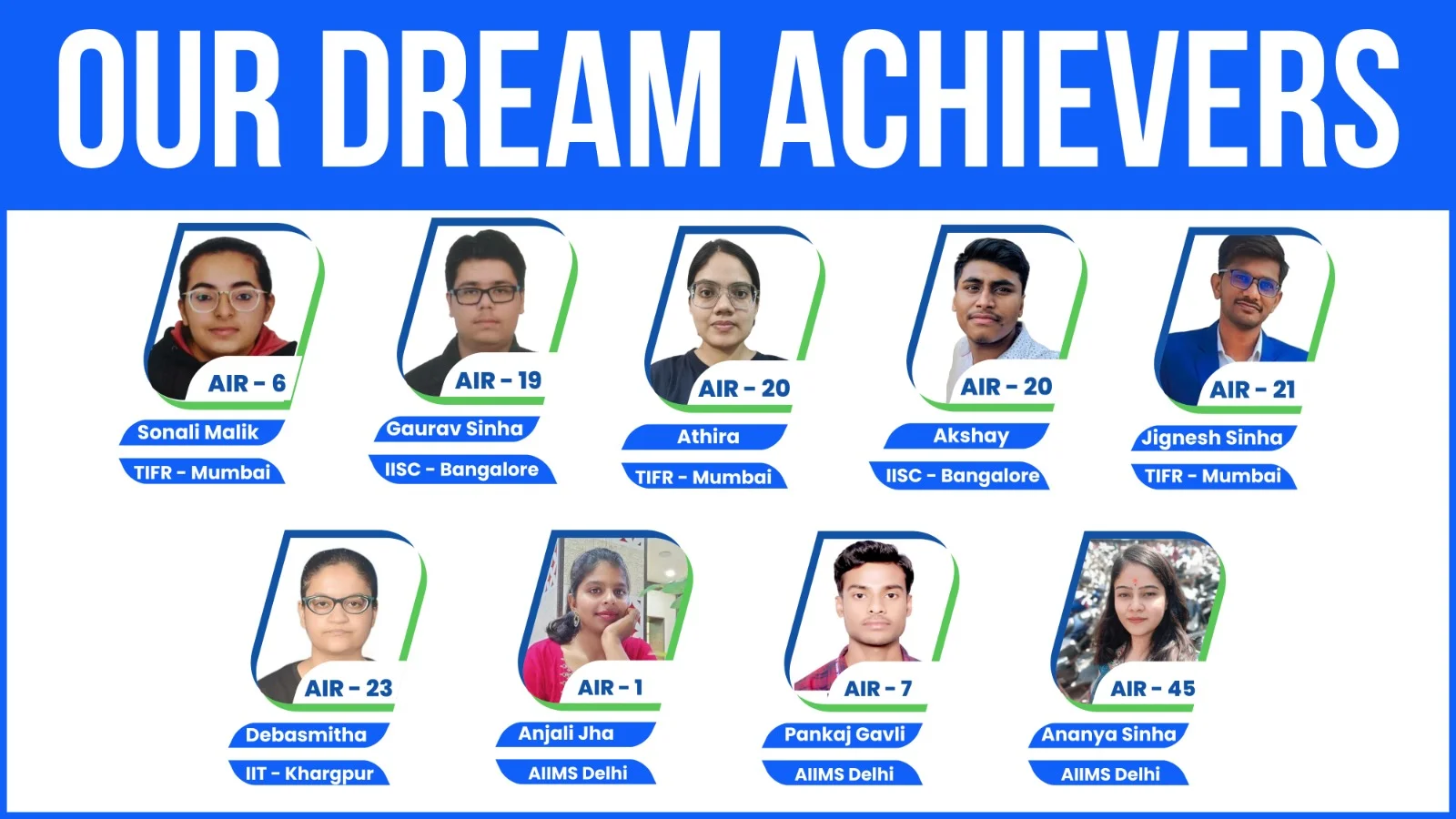
The track record of an institute speaks volumes about its teaching quality and student support systems. CHANDU BIOLOGY CLASSES has consistently produced top rankers and helped numerous students achieve their academic and career goals.
Past students attribute their success to the institute’s comprehensive curriculum, dedicated faculty, regular testing systems, and supportive learning environment. Many successful candidates return as mentors, creating a strong alumni network that benefits current students through peer learning and guidance.
Making the Right Choice: Factors to Consider
Selecting the right coaching institute represents a crucial decision that significantly impacts preparation quality and eventual success. When evaluating options for an MSc + CSIR NET integrated foundation course June 2026, consider these factors:
Faculty Expertise
Experienced faculty with advanced degrees and teaching experience in competitive exam coaching ensure proper guidance and effective doubt resolution.
Course Structure
A well-organized curriculum covering the complete syllabus with adequate time for revision and practice indicates thoughtful program design.
Study Materials Quality
Comprehensive, updated, and exam-focused study materials reduce dependence on multiple reference sources and streamline preparation.
Test Series Quality
Regular testing with questions matching current exam patterns and difficulty levels provides realistic preparation experience.
Student Support Systems
Responsive doubt resolution mechanisms, mentorship programs, and counseling services create a supportive learning environment.
Success Rate
Historical performance of students, including the number of qualifiers and top ranks achieved, indicates teaching effectiveness.
Fee Structure Transparency
Clear, upfront information about fees without hidden charges demonstrates institutional integrity. At CHANDU BIOLOGY CLASSES, the fee structure is straightforward: ₹25,000 for online mode and ₹30,000 for offline mode, with no additional hidden costs.
The Enrollment Process: Getting Started on Your Journey
Enrolling in the MSc + CSIR NET integrated foundation course June 2026 at CHANDU BIOLOGY CLASSES involves a straightforward process designed for student convenience:
Initial Inquiry and Counseling
Prospective students can connect with the institute through phone, email, or personal visit. Counselors provide detailed information about the course structure, faculty, facilities, and fee structure. They help students understand whether the integrated program aligns with their academic goals and preparation timeline.
Course Selection
Based on learning preferences and circumstances, students choose between online and offline modes. Counselors explain the features and benefits of each mode to facilitate informed decision-making.
Documentation and Enrollment
The enrollment process requires basic documentation including educational certificates, identification proof, and photographs. Simple formalities ensure quick processing and course access.
Fee Payment
Flexible payment options accommodate student convenience. Clear receipts and documentation ensure transparency in financial transactions.
Course Commencement
Students receive welcome kits containing study materials, batch schedules, faculty contact information, and orientation guidelines. Online students get login credentials for the learning management system, while offline students receive details about classroom locations and timing.
Frequently Asked Questions
What is the duration of the integrated foundation course starting in June 2026?
The course typically runs for 11-12 months, providing comprehensive coverage of the syllabus with adequate time for revision and test series before the examination. The exact duration may be adjusted based on the official examination schedule announced by the conducting authority.
Can I switch between online and offline modes during the course?
While both modes follow the same curriculum and maintain equal quality standards, switching between modes may involve logistical considerations. Students should discuss their specific situations with the institute administration, who can guide them on feasibility and any procedural requirements for mode changes.
What if I miss some classes due to unavoidable circumstances?
Online students benefit from recorded lecture access, allowing them to catch up on missed sessions at their convenience. Offline students can access backup recordings or attend doubt-clearing sessions where faculty members address missed topics. The institute prioritizes ensuring no student falls behind due to occasional absences.
How does the integrated approach benefit my preparation compared to preparing for each exam separately?
The integrated approach recognizes substantial syllabus overlap between MSc entrance examinations and CSIR NET. Teaching integrated content eliminates redundancy, saves time, and provides a unified understanding of concepts tested in both examinations. Students develop deeper comprehension rather than superficial coverage for multiple separate exams.
What study materials are provided, and do I need to purchase additional books?
Students receive comprehensive study materials including class notes, practice questions, and reference compilations. While these materials suffice for most preparation needs, students may choose to refer to standard textbooks for deeper understanding of specific topics. Faculty members provide book recommendations based on individual learning requirements.
Is there any scholarship or fee concession available for economically disadvantaged students?
CHANDU BIOLOGY CLASSES believes in making quality education accessible. The institute offers scholarship opportunities and fee concessions for meritorious students and those facing genuine economic hardships. Prospective students should inquire about current scholarship programs during the enrollment process.
How is the test series structured, and how frequently are tests conducted?
The test series follows a progressive structure starting with topic-wise tests after completing each major unit, followed by subject-wise tests, and culminating in full-length mock examinations simulating actual exam conditions. Testing frequency increases as the examination approaches, with weekly to bi-weekly tests in the final months of preparation.
What is the student-to-faculty ratio, and how accessible are teachers for doubt resolution?
The institute maintains optimal batch sizes ensuring individual attention. Faculty members remain accessible through multiple channels including classroom hours, dedicated doubt-clearing sessions, online forums, and appointment-based consultations. Students never feel their queries go unanswered or their learning needs neglected.
Does the course cover recent advances and current affairs in life sciences?
Absolutely. Competitive examinations increasingly include questions on recent discoveries and contemporary developments. The curriculum incorporates regular current affairs updates, discussions on recent research publications, and analysis of breakthrough discoveries relevant to examination syllabi.
What support is provided for students who need help with specific weak areas?
The institute identifies individual weak areas through regular testing and performance analysis. Targeted remedial sessions, personalized study plans, and additional practice materials address specific weaknesses. Faculty members work closely with students to build confidence in challenging topics.
Are there any alumni networks or mentorship programs connecting current students with successful past candidates?
CHANDU BIOLOGY CLASSES maintains an active alumni network where successful candidates share their experiences, provide guidance, and motivate current students. Mentorship programs pair current students with alumni who offer personalized advice based on their preparation journeys and examination experiences.
What happens if the examination dates are postponed or rescheduled?
In case of schedule changes announced by examination authorities, the institute adjusts its academic calendar to ensure students remain fully prepared regardless of new dates. Additional revision sessions, extended test series, or updated current affairs coverage maintain preparation momentum.
Can working professionals or distance education students also join this course?
The online mode particularly suits working professionals and distance learners who need flexible timing. Recorded lectures, weekend batches, and extended support hours accommodate diverse student circumstances without compromising preparation quality.
Final Thoughts: Investing in Your Future
Choosing to enroll in an MSc + CSIR NET integrated foundation course June 2026 represents a significant investment in your academic and professional future. The decision to start preparation in June provides adequate time for thorough, stress-free preparation that builds genuine understanding rather than superficial knowledge.
The integrated approach offered by CHANDU BIOLOGY CLASSES eliminates the need for multiple coaching programs, streamlines preparation, and develops comprehensive expertise in life sciences. With transparent fee structures—₹25,000 for online and ₹30,000 for offline modes—the institute makes quality coaching accessible without hidden costs or surprise expenses.
Success in competitive examinations results from the combination of expert guidance, comprehensive study materials, regular practice, and personal dedication. By choosing a proven coaching institute with experienced faculty, supportive infrastructure, and a track record of success, you position yourself advantageously in the competitive landscape of life sciences examinations.
The journey ahead demands commitment, consistency, and resilience. However, with proper guidance and systematic preparation beginning in June 2026, you can approach your examinations with confidence, thorough preparation, and the realistic expectation of success.
Remember that competitive examination preparation extends beyond rote memorization to develop critical thinking, analytical abilities, and genuine understanding of biological sciences. These skills serve you not only in clearing examinations but throughout your academic and research career.
As you contemplate your preparation strategy for the upcoming examinations, consider the comprehensive advantages of an integrated foundation course that addresses multiple academic goals simultaneously. Make an informed decision based on your learning preferences, schedule constraints, and career aspirations.
The countdown to June 2026 has begun. Your preparation journey awaits. Take the first step today toward achieving your academic dreams and building a successful career in the fascinating world of life sciences.
