
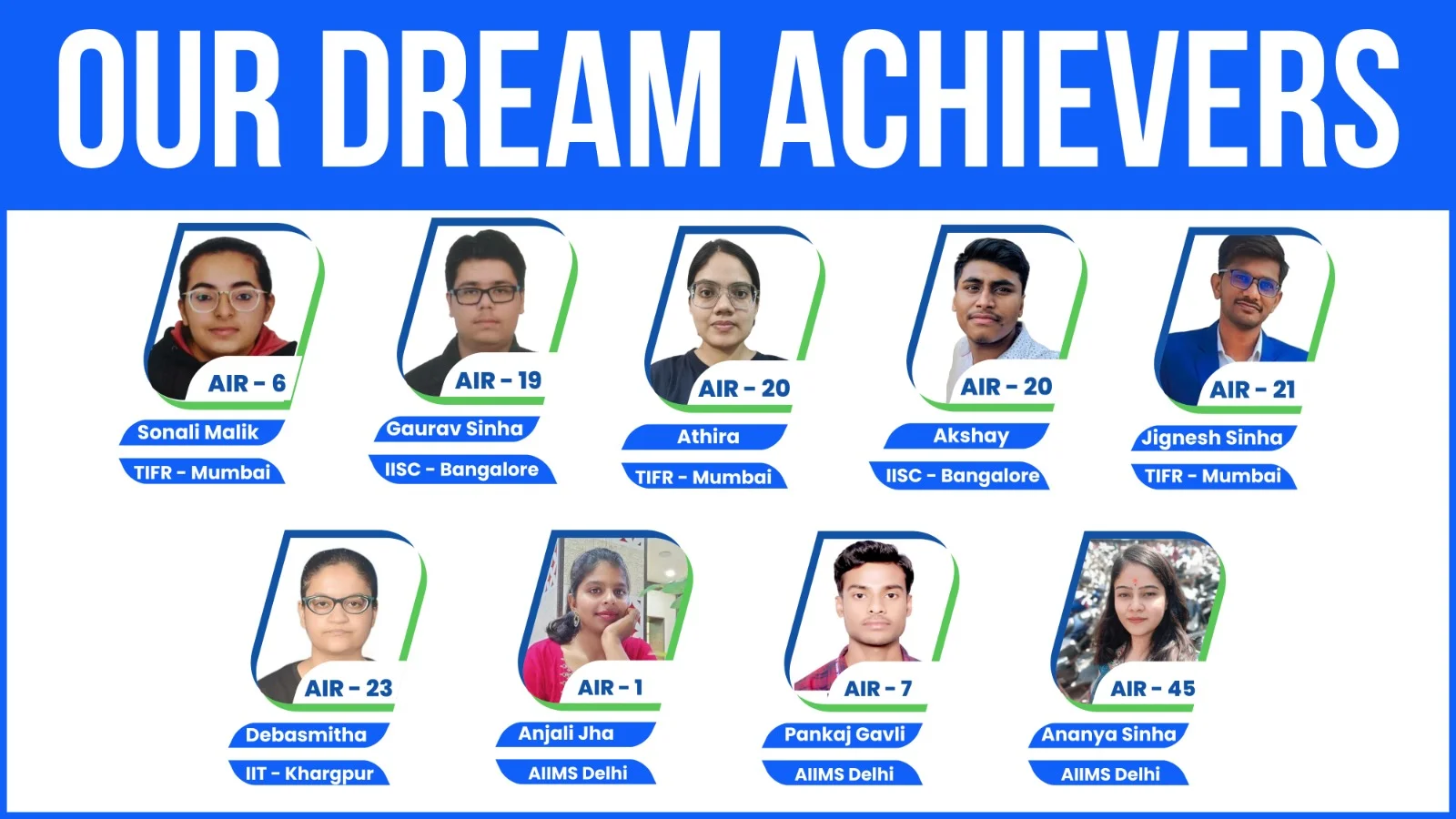
Every year, thousands of passionate biology graduates and postgraduates in Karnataka dream of securing a lectureship or assistant professorship at a state-level college or university. That dream has one major gatekeeper — the Karnataka State Eligibility Test, better known as KSET. And among all the available papers, KSET Life Sciences stands as one of the most scientifically rigorous and conceptually demanding subjects you can choose.
Whether you are a fresh MSc graduate stepping into the world of competitive examinations for the first time, or a working professional trying to qualify while managing your daily responsibilities, the journey through KSET Life Sciences is never straightforward. The syllabus is vast, the competition is fierce, and the preparation demands both depth of understanding and strategic planning.
This is why the choice of KSET Life Sciences coaching is not just important — it is perhaps the most consequential decision you will make on your path to qualification. A good coaching institution does not just deliver content. It structures your thinking, trains you to handle tricky multiple-choice questions under pressure, and keeps you consistently motivated through a process that can stretch across months.
In this comprehensive guide, we will walk you through everything you need to know — from understanding the KSET Life Sciences exam pattern and syllabus to choosing the right coaching, building a study plan, and accessing the best resources available. We will also answer the most frequently asked questions that students just like you are actively searching for right now.
Let’s begin.
What Is KSET Life Sciences? Understanding the Exam from the Ground Up
KSET — the Karnataka State Eligibility Test — is conducted by the University of Mysore on behalf of the Government of Karnataka. It serves as the qualifying examination for candidates who wish to become Assistant Professors in colleges and universities across Karnataka. Unlike the centrally conducted CSIR-NET or UGC-NET, KSET is state-specific, but its standards are no less demanding.
The KSET Life Sciences paper falls under the Science stream and primarily attracts candidates with backgrounds in Botany, Zoology, Biotechnology, Biochemistry, Microbiology, Genetics, Environmental Science, and related disciplines.
KSET Exam Pattern — Life Sciences
The examination consists of two papers:
Paper I — This is a general paper applicable to all candidates, regardless of their subject. It tests general aptitude, teaching aptitude, logical reasoning, research aptitude, comprehension, and general awareness. There are 50 questions of 2 marks each, totaling 100 marks.
Paper II — This is the subject-specific paper. For Life Sciences candidates, it consists of 100 questions of 2 marks each, totaling 200 marks. The entire paper is objective-type (MCQ format). There is no negative marking in KSET, which is a critical factor in strategy-building.
Total marks: 300 Duration: 3 hours (both papers conducted on the same day in separate sessions)
The combined score of Paper I and Paper II determines your eligibility. Category-wise cutoffs are declared post-examination.
KSET Life Sciences Syllabus: What You Are Actually Up Against
One of the first things you realize when you download the official KSET Life Sciences syllabus is how broad it is. The subject integrates nearly all domains of biological sciences into a single examination framework. Here is a breakdown of the major units:
Unit 1 — Molecules and Their Interaction Relevant to Biology Biochemistry of proteins, lipids, carbohydrates, nucleic acids. Enzyme kinetics, metabolic pathways, bioenergetics.
Unit 2 — Cellular Organization Cell structure and function, membranes, organelles, cell signaling, cell cycle, and apoptosis.
Unit 3 — Fundamental Processes DNA replication, transcription, translation, gene regulation — prokaryotic and eukaryotic systems.
Unit 4 — Cell Communication and Cell Signaling Signal transduction pathways, hormones and receptors, second messengers.
Unit 5 — Developmental Biology Gametogenesis, fertilization, embryonic development, pattern formation.
Unit 6 — System Physiology — Plant Mineral nutrition, photosynthesis, respiration, plant hormones, seed germination.
Unit 7 — System Physiology — Animal Digestion, circulation, respiration, nervous system, endocrinology, immunity.
Unit 8 — Inheritance Biology Mendelian genetics, chromosomal theory, linkage, mutations, population genetics.
Unit 9 — Diversity of Life Forms Classification, taxonomy, biodiversity, evolutionary relationships.
Unit 10 — Ecological Principles Ecosystems, energy flow, nutrient cycles, population ecology, conservation biology.
Unit 11 — Evolution and Behaviour Theories of evolution, natural selection, speciation, animal behavior.
Unit 12 — Applied Biology Biotechnology applications, GMOs, biomedical applications, bioremediation.
Unit 13 — Methods in Biology Microscopy, electrophoresis, PCR, chromatography, statistical methods, bioinformatics basics.
The sheer expanse of these units makes self-preparation without structured KSET Life Sciences coaching extremely difficult. Each unit requires both conceptual clarity and the ability to apply knowledge under time pressure.
Why Most Self-Studiers Struggle and What Coaching Solves
Let’s be honest about something that most advice columns skip over — the majority of students who attempt KSET Life Sciences without any form of guided coaching do not clear it on their first attempt. This is not a comment on their intelligence or dedication. It is a reflection of how competitive examinations like KSET are fundamentally different from university exams.
In university exams, you are rewarded for knowing content. In KSET, you are evaluated on your ability to distinguish between similar-looking options, apply concepts in unfamiliar scenarios, manage your time across 100 questions, and avoid the common traps that question setters deliberately place in front of you.
Good KSET Life Sciences coaching bridges this gap in the following ways:
1. Structured Syllabus Coverage A quality coaching program maps out the entire KSET syllabus into a term plan, ensuring that no unit is skipped, rushed, or given disproportionate attention. You are not left wondering what to study next.
2. Expert Faculty The best coaches for KSET Life Sciences are not just knowledgeable in biology — they understand the examination pattern, the types of questions asked in previous years, the tricky language used in MCQs, and how to teach in a way that builds long-term recall rather than short-term memorization.
3. Regular Mock Tests and Practice Without consistent testing, you cannot gauge your preparation level. Coaching institutes provide mock tests that simulate the actual KSET environment, helping you build speed, accuracy, and exam temperament.
4. Doubt-Clearing Sessions One of the biggest advantages of attending structured classes — whether online or offline — is the ability to get your doubts resolved immediately. Self-study often leads to compounding confusion where one unresolved concept blocks the understanding of several others.
5. Motivation and Peer Learning Studying among peers who share the same goal creates a healthy competitive atmosphere and keeps motivation high, especially during the long months of preparation.
Chandu Biology Classes: The Most Trusted Name in KSET Life Sciences Coaching
When it comes to KSET Life Sciences coaching in India, one name that consistently comes up among students preparing seriously for this examination is Chandu Biology Classes. Known for its focused, biology-centric teaching methodology, Chandu Biology Classes has established itself as a reliable destination for students who want expert guidance without unnecessary distractions.
What sets Chandu Biology Classes apart is the sheer dedication to biology as a subject. The classes are designed specifically for students aiming at CSIR-NET Life Sciences, GATE Life Sciences, KSET Life Sciences, and similar competitive examinations. The faculty understands not just the content but the examination-specific demands of each paper.
What Chandu Biology Classes Offers
Comprehensive Coverage of KSET Life Sciences Syllabus Every unit of the KSET Life Sciences paper is covered in depth. The teaching does not stop at definitions — it goes into application, comparison, and analysis, which is exactly what KSET questions demand.
Both Online and Offline Modes Available Recognizing that students come from varied backgrounds and locations, Chandu Biology Classes offers both modes of learning. Whether you are based in Bangalore, Mysore, or a smaller town in Karnataka, you can access quality KSET Life Sciences coaching without having to relocate.
Regular Practice Tests Students are regularly evaluated through practice tests that mimic the actual KSET pattern. This helps build confidence and helps students identify weak areas well before the actual examination.
Doubt Sessions and Personal Attention The batch sizes are kept manageable to ensure that every student gets adequate attention. Doubt-clearing sessions are conducted regularly.
Fees Structure at Chandu Biology Classes
Transparency in fees is something that students and parents deeply appreciate, and Chandu Biology Classes delivers on that front clearly:
- Online Mode: ₹25,000
- Offline Mode: ₹30,000
These fees cover the full preparation program for KSET Life Sciences, including study materials, mock tests, and guidance sessions. There are no hidden charges or surprise add-ons. For the depth and quality of preparation provided, these fees are extremely competitive compared to other options in the market.
If you are looking for the best investment you can make in your KSET preparation journey, enrolling in Chandu Biology Classes is a decision that many successful candidates have not regretted.
How to Choose Between Online and Offline KSET Life Sciences Coaching
This is a genuine dilemma that many students face, and the right answer depends on your personal circumstances. Here is a practical breakdown:
Choose Online Coaching If:
- You are located outside a major city and cannot attend classes physically
- You have work or family commitments that make fixed schedules difficult
- You learn well through recorded content that you can revisit
- You want to save on travel and accommodation costs
- You are disciplined enough to follow a structured self-paced plan
At Chandu Biology Classes, online coaching is available at ₹25,000 and provides full access to all study materials and guidance.
Choose Offline Coaching If:
- You thrive in a classroom environment with direct interaction
- You find it easier to stay focused when physically present in a learning space
- You want immediate, face-to-face doubt resolution
- You enjoy the peer learning environment of a physical class
- You are located near the institute and can attend regularly
Offline coaching at Chandu Biology Classes is available at ₹30,000 and offers all the advantages of in-person learning.
Both modes are equally effective if you put in the required effort. The mode is just the medium — your commitment is the real variable.
Building Your KSET Life Sciences Study Plan: A Month-by-Month Approach
Once you have enrolled in KSET Life Sciences coaching, you need a personal study plan that complements your coaching schedule. Here is a practical month-by-month blueprint:
Month 1–2: Foundation Building
Focus on the cellular and molecular biology units. These form the conceptual backbone of the entire paper. Spend extra time on DNA replication, transcription, translation, and cell signaling. Build strong notes from your coaching material.
Month 3–4: Physiology and Genetics
Shift attention to plant and animal physiology and genetics. These units have consistently high question frequency in KSET. Practice numerical problems in genetics — Hardy-Weinberg equilibrium, linkage calculations, and mutation rates.
Month 5: Ecology, Evolution, and Applied Biology
These are relatively straightforward but high-scoring units if approached systematically. Focus on conceptual clarity and do not try to memorize — understand the principles.
Month 6: Revision and Mock Tests
Dedicate the final month entirely to revision and testing. Attempt at least two full-length mock tests every week. Analyze your performance after every test — identify patterns in your errors and revisit those concepts.
Paper I Preparation (Throughout)
Do not neglect Paper I. General aptitude and teaching aptitude can be the difference between qualifying and missing the cutoff. Practice Paper I questions daily — 30 minutes is sufficient if done consistently.
Common Mistakes KSET Life Sciences Aspirants Make
Avoiding these errors can save months of wasted effort:
Ignoring Paper I Many students are so focused on the subject paper that they underperform in Paper I. Since Paper I contributes 100 marks to the total of 300, it is critically important.
Reading Textbooks Cover-to-Cover KSET does not test your ability to recite a textbook. It tests application. Reading passively without solving questions is not preparation — it is familiarity with content.
Not Attempting Mock Tests Speed and accuracy under time pressure are skills that only come from practice. No amount of reading compensates for the experience of actually sitting through a timed mock test.
Neglecting Revision Studying new content while forgetting older content is a trap many students fall into. Build revision cycles into your schedule from Day 1.
Choosing Wrong Coaching Not all coaching institutes that claim to prepare for KSET actually specialize in it. Always choose a coaching center that has specific expertise in KSET Life Sciences — like Chandu Biology Classes.
KSET Life Sciences Recommended Books and Resources
While your coaching material from Chandu Biology Classes will be your primary resource, supplementing with standard reference books can add depth to your preparation:
- Lehninger Principles of Biochemistry — Nelson and Cox (for molecular biology and biochemistry)
- Cell and Molecular Biology — Gerald Karp (for cellular organization and cell signaling)
- Genetics — Lewin’s Genes (for inheritance biology)
- Plant Physiology — Taiz and Zeiger (for plant system physiology)
- Ecology — Odum’s Fundamentals of Ecology (for ecological principles)
- Developmental Biology — Gilbert (for developmental biology unit)
- Evolution — Ridley’s Evolution (for the evolution and behavior unit)
Use these books selectively — chapter-by-chapter based on what you are studying in coaching — rather than reading them from start to finish.
KSET 2025 Important Dates and Notification (What to Expect)
While exact dates are released by the University of Mysore each cycle, KSET is generally conducted once a year. Candidates are advised to regularly check the official KSET website (kset.uom.ac.in) for notifications.
Typical timeline:
- Notification release: June–July
- Online application window: July–August
- Admit card: October–November
- Examination: November–December
- Results: February–March (following year)
Starting your KSET Life Sciences coaching at least 6 to 8 months before the examination date gives you the best possible preparation window.
FAQ: Trending Questions Students Are Searching About KSET Life Sciences Coaching
Q1. Is KSET Life Sciences harder than CSIR-NET Life Sciences?
KSET Life Sciences and CSIR-NET Life Sciences share significant syllabus overlap, but they are different in structure. CSIR-NET is considered more comprehensive and analytically demanding, especially Part C. KSET Life Sciences is entirely MCQ-based with no negative marking, which makes it more accessible in some respects. However, KSET should not be underestimated — its cutoffs can be surprisingly high in competitive cycles.
Q2. How many attempts are allowed for KSET?
There is no limit on the number of attempts for KSET. You can appear as many times as you wish, provided you meet the eligibility criteria. However, age relaxation rules vary by category, so candidates are advised to check the latest notification carefully.
Q3. Is KSET Life Sciences coaching necessary, or can I crack it through self-study?
Self-study is possible but significantly harder. Students who have already cleared CSIR-NET or GATE with strong scores can sometimes prepare for KSET with self-study alone. However, for most aspirants, structured KSET Life Sciences coaching provides a clear advantage — particularly in terms of time management, question practice, and conceptual clarity on tricky topics.
Q4. What is the eligibility criteria for KSET Life Sciences?
Candidates must hold a postgraduate degree (MSc or equivalent) in Life Sciences or a related discipline with a minimum of 55% marks (50% for SC/ST/PwD candidates). Final year students of PG programs are also eligible to apply provisionally.
Q5. How long does it take to prepare for KSET Life Sciences?
Most candidates who qualify recommend a preparation window of 6 to 12 months. If you are joining KSET Life Sciences coaching with consistent effort, 6 months is a realistic and achievable timeline for most students.
Q6. What is the passing marks or cutoff for KSET Life Sciences?
Cutoffs vary each year depending on the difficulty level of the exam and the number of candidates appearing. General category candidates typically need to score around 40–45% of the total marks to qualify, while reserved categories have lower cutoffs. Always check the official KSET notification for category-wise cutoff criteria.
Q7. Which is the best coaching for KSET Life Sciences?
For students looking for a coaching center that combines expert biology faculty, KSET-focused curriculum, and affordable fees, Chandu Biology Classes is among the most recommended options. With online coaching available at ₹25,000 and offline at ₹30,000, it offers excellent value for serious aspirants.
Q8. Does KSET have negative marking?
No. KSET does not have negative marking in either Paper I or Paper II. This means you should attempt all questions — leaving any question unanswered is always a disadvantage when there is no penalty for wrong answers.
Q9. Can I join KSET Life Sciences coaching online from outside Karnataka?
Absolutely. Online coaching at Chandu Biology Classes is accessible from anywhere in India. You do not need to be based in Karnataka to benefit from high-quality KSET Life Sciences coaching.
Q10. What study materials are provided in KSET Life Sciences coaching?
At Chandu Biology Classes, enrolled students receive comprehensive study materials covering the entire KSET Life Sciences syllabus, practice question banks, previous year question papers, and mock test series — both in online and offline modes.
Q11. Is Paper I difficult in KSET?
Paper I is generally considered moderate in difficulty. It covers teaching aptitude, research aptitude, reasoning, comprehension, and general awareness. With 30–45 minutes of daily practice for 2–3 months, most students can score well above the cutoff in Paper I.
Q12. What happens after qualifying KSET Life Sciences?
Once you qualify, your name is added to the State Eligibility List. This makes you eligible to apply for Assistant Professor positions in colleges and universities across Karnataka. KSET qualification is valid for life — there is no expiry date, unlike some other eligibility tests.
Q13. What is the difference between KSET and SLET?
KSET (Karnataka State Eligibility Test) and SLET (State Level Eligibility Test) are essentially the same concept — a state-level eligibility test for lectureship positions. KSET is specifically Karnataka’s version of this test. Different states conduct their own versions under different names.
Conclusion: Your KSET Life Sciences Journey Starts with the Right Decision
Cracking KSET Life Sciences is a goal that thousands of biology aspirants set for themselves each year. But among those thousands, only a fraction genuinely invests in structured preparation with the right guidance. The difference between those who qualify and those who keep attempting lies not in natural talent but in strategic preparation.
Choosing the right KSET Life Sciences coaching is the single most important step you can take right now. It gives you a roadmap when the syllabus feels overwhelming, expert guidance when concepts feel unclear, and a community when the journey feels lonely.
Chandu Biology Classes, with its biology-focused expertise, experienced faculty, and transparent fee structure — ₹25,000 for online and ₹30,000 for offline — represents a genuine and proven investment in your academic and professional future.
You have the ambition. You have the biology background. Now all you need is the right structure to channel it effectively.
Start your KSET Life Sciences coaching today — because the best time to begin was yesterday, and the second-best time is right now.
