
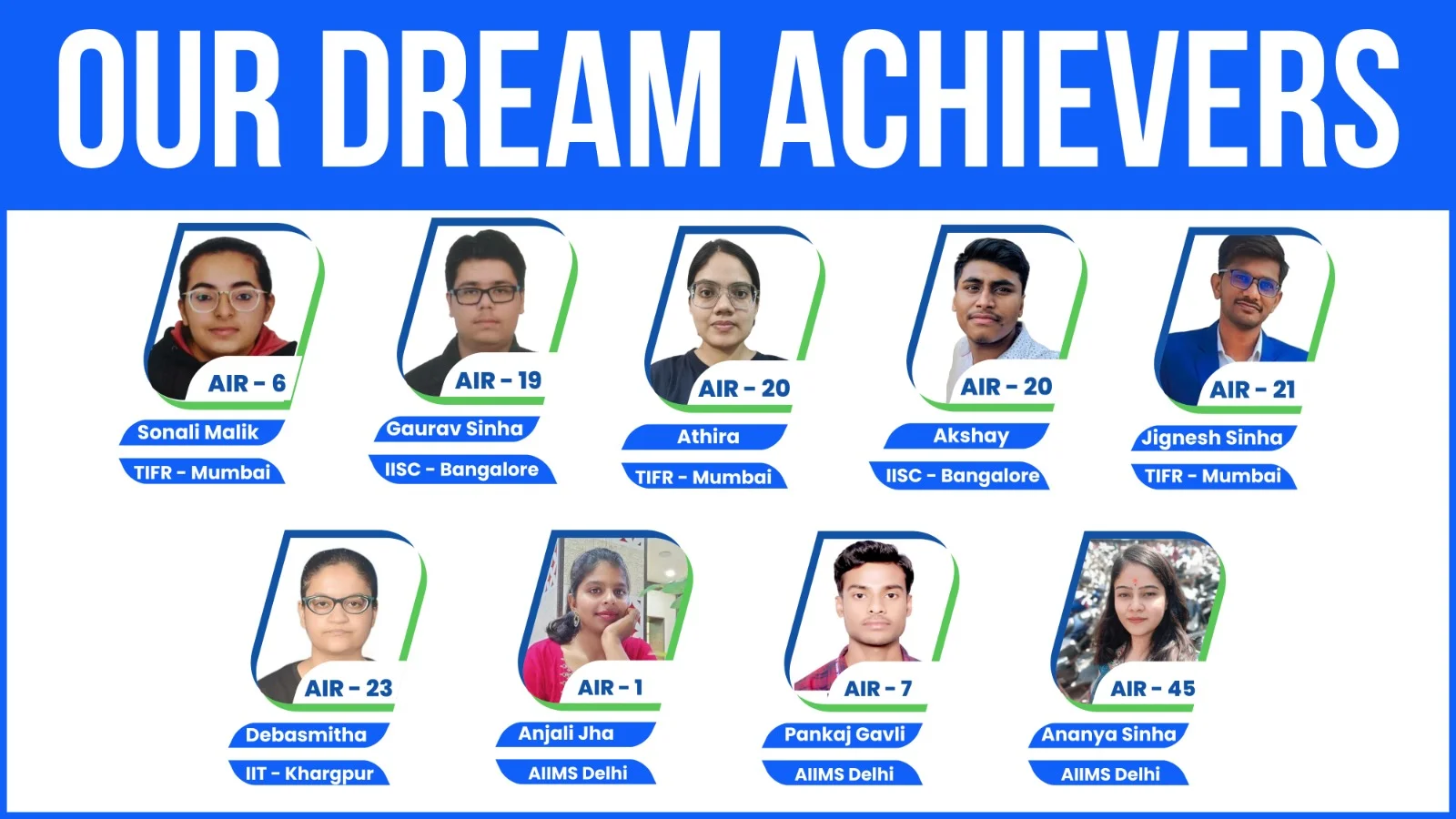
If you are a life sciences graduate sitting with your postgraduate degree and wondering what comes next — the answer might just be KSET Life Sciences coaching. The Karnataka State Eligibility Test is one of the most competitive state-level examinations in India, and for those who want to build a rewarding career as an assistant professor in Karnataka’s colleges and universities, clearing KSET is not just important — it is essential.
Yet, thousands of students appear for this exam every year and only a fraction clear it. Why? Not because they lack intelligence or dedication. The real reason is the absence of structured, focused, and expert-led preparation. That is precisely where KSET Life Sciences coaching steps in as the game-changer.
In this comprehensive guide, we will walk you through everything — from understanding the KSET Life Sciences exam structure, to the smartest study strategies, to why joining a professional coaching institute like Chandu Biology Classes could be the single best investment you make in your academic career.
What is KSET and Why Does It Matter for Life Sciences Students?
KSET stands for Karnataka State Eligibility Test. It is conducted by the University of Mysore on behalf of the Government of Karnataka, and it determines eligibility for the post of Assistant Professor in degree colleges affiliated with Karnataka state universities.
For Life Sciences students — whether your background is in Zoology, Botany, Biochemistry, Microbiology, Biotechnology, or Environmental Science — KSET opens the door to a prestigious, stable, and intellectually fulfilling teaching career.
Here is what makes KSET particularly significant:
State-specific recognition: Unlike UGC NET, which is a national exam, KSET is specifically recognized for teaching posts within Karnataka. If you wish to teach in a Karnataka government or aided college, KSET qualification is often mandatory.
Career stability: Government-aided college lecturers in Karnataka enjoy salary scales under the UGC pay matrix, job security, pension benefits, and academic freedom — a combination that is hard to match in the private sector.
Growing competition: With the number of postgraduate Life Sciences students increasing every year and the number of teaching vacancies remaining limited, the competition for KSET has intensified dramatically. Scoring just passing marks is no longer enough — you need to rank exceptionally well.
Dual benefit: KSET qualification also holds value as proof of academic excellence, making it easier to secure lecturer posts even in unaided private institutions, research fellowships, and academic writing positions.
This is why KSET Life Sciences coaching is no longer a luxury — it is a strategic necessity for any serious aspirant.
Understanding the KSET Life Sciences Exam Pattern
Before you can prepare effectively, you need to understand exactly what you are preparing for. KSET is divided into two papers:
Paper I — General Aptitude
This paper tests your general reasoning, comprehension, logical thinking, research aptitude, communication skills, and awareness of higher education and teaching methodology. It consists of 50 multiple choice questions, out of which you need to attempt all, and it carries 100 marks. This paper is common across all subjects.
Paper II — Life Sciences (Subject-Specific)
This is the paper that determines your fate as a Life Sciences aspirant. It consists of 100 multiple choice questions carrying 200 marks, and it covers the entire gamut of Life Sciences topics.
The Life Sciences syllabus for KSET is vast and deeply technical. It broadly covers:
- Cell Biology — cell structure, organelles, cell division, cell signaling, membrane transport
- Genetics and Molecular Biology — Mendelian genetics, DNA replication, transcription, translation, gene regulation, recombinant DNA technology
- Biochemistry — biomolecules, enzymes, metabolic pathways, bioenergetics
- Physiology — animal and plant physiology, homeostasis, hormones, nervous system
- Ecology and Evolution — population ecology, community ecology, evolutionary biology, speciation
- Taxonomy and Systematics — classification systems, phylogenetics, nomenclature
- Microbiology — bacteria, viruses, fungi, immunology, microbial genetics
- Biotechnology — tools and techniques, applications in medicine, agriculture, and industry
- Environmental Biology — ecosystems, biodiversity, pollution, conservation
The sheer breadth of this syllabus makes self-study extremely challenging, particularly for candidates who may have specialized in just one area during their postgraduate education. This is where KSET Life Sciences coaching provides an undeniable advantage — by giving you a structured, prioritized, and exam-focused preparation plan.
Why Self-Study Alone is Often Not Enough
Many students believe they can crack KSET with self-study alone. And while it is technically possible, the reality is that the vast majority of successful candidates have had some form of guided preparation. Here is why pure self-study has its limitations:
Syllabus overload: The KSET Life Sciences syllabus spans multiple disciplines. Without expert guidance, students often spend too much time on low-weightage topics and miss critical high-scoring areas.
No exam strategy: Knowing the subject is one thing. Knowing how to approach 100 MCQs in a timed environment, how to eliminate wrong options, and how to manage negative marking is an entirely different skill — and it can only be developed through practice under guided conditions.
Isolation and motivation loss: Studying alone for months without peer interaction, doubt-clearing sessions, or mentor feedback is mentally exhausting. Many self-studiers lose momentum after a few weeks.
Outdated resources: Life Sciences is a rapidly evolving field. Self-studiers often rely on old textbooks without access to the latest question trends, updated exam patterns, or relevant current topics.
No mock test analysis: Simply taking mock tests is not enough. You need expert analysis of where you are going wrong, why you are going wrong, and how to correct course — something that only experienced faculty can provide.
Chandu Biology Classes: The Name You Can Trust for KSET Life Sciences Coaching
When it comes to KSET Life Sciences coaching, one name consistently stands out among serious aspirants across Karnataka — Chandu Biology Classes.
Chandu Biology Classes has built its reputation on one simple principle: deep subject expertise combined with exam-focused teaching. The institute understands that KSET is not just about knowing Biology — it is about knowing Biology the way KSET tests it. This distinction makes all the difference between a student who clears the exam and one who falls just short.
What Makes Chandu Biology Classes Different?
Expert Faculty with Real Exam Understanding
The teaching at Chandu Biology Classes is driven by faculty who have a thorough understanding of the KSET examination framework. Every concept is taught not in isolation but in the context of how it has appeared and is likely to appear in KSET. This exam-aligned teaching methodology ensures that students build both conceptual clarity and exam-ready thinking simultaneously.
Comprehensive Coverage of the Entire Syllabus
The coaching program at Chandu Biology Classes covers the complete KSET Life Sciences syllabus systematically — from Cell Biology and Genetics to Ecology, Biotechnology, and beyond. No topic is skipped, no concept is glossed over. Students get thorough notes, concept summaries, and topic-wise question banks that make revision efficient and effective.
Regular Mock Tests and Performance Analysis
One of the most powerful features of Chandu Biology Classes is its rigorous mock test program. Students are regularly tested under KSET-simulated conditions. More importantly, each mock test is followed by a detailed performance analysis — identifying weak areas, tracking progress over time, and helping students fine-tune their exam strategy.
Doubt-Clearing and Personalized Attention
In a subject as complex as Life Sciences, doubts are inevitable. Chandu Biology Classes ensures that no doubt goes unanswered. Regular doubt-clearing sessions and accessible faculty mean that students never get stuck on a concept for too long.
Both Online and Offline Modes Available
Understanding that students come from across Karnataka and beyond, Chandu Biology Classes offers the program in both online and offline formats — so geography is never a barrier to quality KSET Life Sciences coaching.
Fees Structure at Chandu Biology Classes
Investing in coaching is one of the most important decisions you will make on your KSET journey. Chandu Biology Classes offers transparent, straightforward pricing with no hidden costs:
| Mode | Fees |
|---|---|
| Online Coaching | ₹25,000 |
| Offline Coaching | ₹30,000 |
Online Coaching (₹25,000): Ideal for students who are based outside the coaching center’s location or who prefer the flexibility of learning from home. This includes live or recorded sessions, digital study materials, online mock tests, and doubt-clearing support — everything you need to prepare comprehensively for KSET Life Sciences.
Offline Coaching (₹30,000): Designed for students who prefer classroom learning and direct face-to-face interaction with faculty. Offline students benefit from the energy of a structured classroom environment, printed study materials, in-person doubt sessions, and the discipline that comes with attending regular classes.
Both programs deliver the same high-quality content and preparation framework — the difference is simply in the mode of delivery. Whether you choose online or offline, you are getting the full Chandu Biology Classes experience, which has helped numerous students successfully clear their KSET Life Sciences coaching journey and achieve their dream of becoming college lecturers.
Topic-Wise Strategy for KSET Life Sciences Preparation
Now let us get into the actual preparation strategy. Here is a topic-wise approach that has been found effective by successful KSET Life Sciences candidates:
1. Cell Biology and Molecular Biology (High Weightage)
These topics are the backbone of Life Sciences and carry significant weightage in KSET. Focus on:
- Prokaryotic vs. eukaryotic cell structure
- DNA replication, repair, and recombination
- Transcription and translation mechanisms
- Cell cycle and its regulation
- Signal transduction pathways
Tip: Questions from these areas tend to be concept-based rather than factual. Build your understanding deeply rather than memorizing.
2. Genetics (High Weightage)
Classical Mendelian genetics, extensions of Mendelism, linkage and crossing over, chromosomal theory, sex determination, population genetics — all of these are important. KSET often combines classical and molecular genetics in single questions, so you need fluency across both.
3. Biochemistry (Medium-High Weightage)
Enzyme kinetics, glycolysis, TCA cycle, oxidative phosphorylation, photosynthesis, nitrogen metabolism — these are perennial favorites in KSET Life Sciences. Focus on understanding metabolic logic rather than memorizing individual steps in isolation.
4. Plant and Animal Physiology (Medium Weightage)
Both plant and animal physiology are important. For plants, focus on mineral nutrition, water relations, photosynthesis, and plant hormones. For animals, the nervous system, endocrine system, digestion, circulation, and excretion are priority areas.
5. Ecology and Evolution (Medium Weightage)
These topics are often underestimated but can be scoring. Population ecology (especially mathematical models), community interactions, ecosystem function, and evolutionary mechanisms including natural selection, genetic drift, and speciation are key.
6. Biotechnology and Techniques (High Importance)
Techniques questions are almost always present — PCR, gel electrophoresis, DNA sequencing, CRISPR-Cas9, ELISA, Western blot, Southern blot, Northern blot, flow cytometry, and more. Master both the principle and application of each technique.
7. Microbiology and Immunology (Medium Weightage)
Microbial growth, metabolism, genetics, and immunology (especially antibody structure, complement system, and immune response) are regularly tested.
8. Taxonomy and Systematics (Lower but Consistent Weightage)
While this may not be the highest-scoring section, consistent questions appear on nomenclature, classification systems, and phylogenetics. Don’t neglect it entirely.
Monthly Study Plan for KSET Life Sciences
Here is a six-month study plan that works effectively when followed consistently:
Month 1: Cell Biology, Molecular Biology basics, and start Biochemistry Month 2: Complete Biochemistry, begin Genetics (classical and molecular) Month 3: Complete Genetics, begin Plant and Animal Physiology Month 4: Complete Physiology, cover Microbiology and Immunology Month 5: Ecology, Evolution, Biotechnology techniques, Taxonomy Month 6: Full syllabus revision, intensive mock tests, weak area strengthening, Paper I preparation
Throughout all six months: Solve previous year KSET and UGC NET Life Sciences question papers regularly. Pattern recognition is a powerful preparation tool.
Paper I Preparation — Don’t Ignore It
Many Life Sciences aspirants make the critical mistake of focusing exclusively on Paper II and neglecting Paper I. This is a dangerous oversight. Paper I carries 100 marks and is relatively scoring if prepared well. It covers:
- Teaching aptitude and classroom methodologies
- Research aptitude and the scientific method
- Logical reasoning and data interpretation
- Reading comprehension
- Communication skills
- Higher education and governance
- Mathematical reasoning
- ICT (Information and Communication Technology)
Paper I preparation requires a different kind of study — less memorization, more reasoning practice. Solve Paper I from previous KSET and UGC NET exams, and dedicate at least 30-45 minutes daily to this section in the last two months of your preparation.
Common Mistakes KSET Life Sciences Aspirants Must Avoid
Learning from others’ mistakes is one of the fastest ways to improve your own preparation. Here are the most common errors that prevent students from clearing KSET:
Neglecting Paper I: As mentioned, this is a significant scoring opportunity that many waste.
Studying everything equally: Not all topics carry equal weight. Prioritize according to previous year question analysis.
Avoiding mock tests until “ready”: Many students keep postponing mock tests until they feel they know enough. By the time they start, there is no time left for analysis and improvement. Start mock tests from the third month onwards.
Memorizing without understanding: Life Sciences MCQs at KSET level test applied understanding, not rote recall. If you are only memorizing, you will struggle with application-based questions.
Not reviewing mistakes: Taking a mock test and not analyzing errors is worse than not taking the test at all. Every mistake is a learning opportunity.
Inconsistent study schedule: KSET preparation is a marathon, not a sprint. Consistency over six months beats intensive cramming in the last four weeks every single time.
How to Choose the Right KSET Life Sciences Coaching?
If you are exploring coaching options, here are the key parameters to evaluate:
Faculty expertise: Are the teachers subject matter experts who understand KSET-specific trends? Do they have a proven track record?
Syllabus coverage: Does the institute cover the complete syllabus, or does it focus only on certain topics?
Study materials: Are the materials comprehensive, updated, and exam-relevant?
Mock test program: Is there a regular, well-structured mock test series with detailed performance analysis?
Doubt resolution: Is there a clear mechanism for students to get their doubts resolved promptly?
Mode flexibility: Is coaching available both online and offline to suit your circumstances?
Transparent fees: Are there any hidden charges beyond the stated fees?
By all these parameters, Chandu Biology Classes stands as one of the most dependable options for KSET Life Sciences coaching in Karnataka. With clearly defined fees (₹25,000 for online and ₹30,000 for offline), comprehensive curriculum, and dedicated faculty, it checks every box that a serious aspirant should be looking for.
Life After KSET — What Opens Up When You Clear the Exam?
Clearing KSET is not just a certificate — it is a career transformation. Here is what becomes available to you:
Assistant Professor Positions: The primary purpose of KSET — eligibility to apply for assistant professor posts in Karnataka’s government and government-aided degree colleges.
Private College Lectureships: Many private unaided colleges also prefer KSET-qualified candidates, and clearing the exam often results in higher salary negotiations.
Research and Academic Pursuits: KSET qualification strengthens your academic profile for PhD applications, research fellowships, and academic writing projects.
Personal Achievement and Credibility: In the academic world, KSET is widely respected as a mark of subject mastery. It establishes you as a credible, qualified educator in your field.
The investment you make in quality KSET Life Sciences coaching today pays dividends throughout an entire academic career that can span three to four decades.
Frequently Asked Questions (FAQ) — Trending Questions Students Are Searching
Q1. Is KSET Life Sciences tougher than UGC NET Life Sciences?
Both exams cover similar content, but KSET specifically tests for Karnataka state-level posts. Many candidates find KSET comparably challenging to UGC NET. However, since KSET has a state-level applicant pool rather than a national one, some candidates find the competition slightly more manageable. The syllabus and question difficulty are broadly similar, which is why preparation for one often doubles as preparation for the other.
Q2. How many times is KSET conducted per year?
KSET is typically conducted once a year by the University of Mysore. Notifications are usually released several months in advance, giving candidates sufficient time to prepare. Always check the official KSET website for the latest schedule and notification.
Q3. What is the qualifying marks for KSET Life Sciences?
The qualifying criteria typically require General category candidates to score at least 40% in Paper I and 40% in Paper II. For OBC (Non-Creamy Layer), SC, ST, and PwD candidates, the requirement is usually 35% in both papers. However, these cutoffs can vary, and the final merit list depends on the overall performance of candidates in that particular exam cycle.
Q4. Can I prepare for KSET Life Sciences while doing a job?
Yes, absolutely — and many successful KSET qualifiers have done exactly this. The key is a disciplined daily schedule of at least two to three hours of focused study. Online coaching programs like the one offered by Chandu Biology Classes at ₹25,000 are particularly well-suited for working professionals because of the flexibility they offer in terms of access to study materials and sessions.
Q5. Is coaching necessary for KSET Life Sciences, or can I crack it with self-study?
While self-study is possible, the success rate is significantly higher among candidates who undergo structured coaching. The vast KSET Life Sciences syllabus, combined with the need for exam strategy and regular performance evaluation, makes guided preparation considerably more efficient. Coaching institutes like Chandu Biology Classes offer the structured environment, expert guidance, and mock test practice that dramatically improve a candidate’s chances.
Q6. Which books are best for KSET Life Sciences preparation?
Recommended references include Lehninger’s Principles of Biochemistry, Alberts’ Molecular Biology of the Cell, Strickberger’s Genetics, Campbell’s Biology, and Prescott’s Microbiology for various sections. However, good coaching institutes like Chandu Biology Classes provide curated study materials that are more exam-focused and time-efficient than reading these textbooks cover to cover.
Q7. How long does it typically take to prepare for KSET Life Sciences?
A dedicated preparation period of six months is considered optimal for most candidates. Some candidates with strong subject backgrounds may clear it in four months of intensive preparation, while others preparing alongside jobs or other responsibilities may need eight to ten months. The key is consistency and quality of preparation, not just the number of hours.
Q8. Does KSET qualification expire?
KSET qualification does not expire and is valid for life. Once you clear KSET, you are permanently eligible to apply for assistant professor positions in Karnataka. This makes it a lifelong academic credential worth investing serious effort in.
Q9. Is KSET Life Sciences valid outside Karnataka?
KSET is primarily recognized within Karnataka for teaching positions in state-affiliated institutions. It is not a substitute for UGC NET for central university or national-level positions. However, many private institutions across India do recognize KSET as evidence of academic qualification, particularly in the Life Sciences domain.
Q10. How is Chandu Biology Classes different from other KSET coaching institutes?
Chandu Biology Classes focuses exclusively on Biology and Life Sciences examinations, meaning all faculty expertise, study materials, and mock test design is deeply specialized for this subject area. The institute offers both online (₹25,000) and offline (₹30,000) programs with complete syllabus coverage, regular mock tests with performance analysis, and dedicated doubt-clearing support — making it a comprehensive and trustworthy option for serious KSET Life Sciences aspirants.
Q11. What is the syllabus for KSET Life Sciences Paper II?
The syllabus covers Cell Biology, Genetics, Molecular Biology, Biochemistry, Physiology (both plant and animal), Ecology, Evolution, Systematics, Microbiology, Immunology, Biotechnology, and Developmental Biology. The complete official syllabus is available on the KSET official website, and good coaching programs like Chandu Biology Classes ensure full coverage of every topic.
Q12. Are there negative marks in KSET?
As per recent KSET exam patterns, there is no negative marking for incorrect answers. This means students should attempt all questions without fear of penalty for wrong answers — a factor that good coaching prepares you to leverage strategically in your exam approach.
Final Words — Your Journey Starts Now
The path to becoming a college lecturer in Karnataka’s Life Sciences stream is challenging — but it is absolutely achievable with the right preparation strategy and the right guidance. Every year, candidates who commit to structured, expert-led preparation clear KSET and step into classrooms as recognized, qualified educators.
KSET Life Sciences coaching is not an expense — it is an investment in a career that will reward you intellectually, financially, and professionally for decades. Whether you are a fresh postgraduate or a working professional making a second attempt, the time to start is now.
Chandu Biology Classes stands ready to be your preparation partner — with experienced faculty, comprehensive coverage, rigorous mock testing, and flexible online (₹25,000) and offline (₹30,000) formats that make quality preparation accessible regardless of where you are located.
Your classroom is waiting. Your students are waiting. Take the first step toward the career you have worked so hard to build — begin your KSET Life Sciences coaching journey today.
