
Every year, thousands of Life Science graduates across Karnataka sit for the Karnataka State Eligibility Test — and only a fraction of them clear it. The reason isn’t lack of intelligence. It’s lack of direction.
KSET Life Science is not just another competitive exam. It tests you on two levels — a broad general paper (Paper I) that checks your teaching aptitude and reasoning ability, and a deep subject-specific paper (Paper II) that digs into the full breadth of Life Sciences: from Cell Biology and Genetics to Ecology, Physiology, Biotechnology, and Evolutionary Biology. Covering that much ground, within a time limit, at a depth that filters out casual readers from serious aspirants — that’s the challenge.
If you are genuinely looking for the best KSET Life Science preparation, you are already ahead of most people — because you are asking the right question. This article gives you everything: the exam pattern, subject-wise strategy, a realistic study plan, common mistakes students make, FAQs trending on Google, and an honest recommendation for coaching that has produced consistent results.
Let’s begin.
Understanding the KSET Life Science Exam Pattern
Before you prepare, you must understand what you’re preparing for. The Karnataka State Eligibility Test is conducted by the University of Mysore on behalf of the Government of Karnataka. It qualifies candidates for Assistant Professor and Junior Research Fellowship positions in Karnataka universities and colleges.
Exam Structure:
| Paper | Marks | Questions | Duration |
|---|---|---|---|
| Paper I (General/Teaching Aptitude) | 100 | 50 MCQs | 1 Hour |
| Paper II (Life Sciences Subject) | 200 | 100 MCQs | 2 Hours |
Total: 300 marks | 3 Hours combined
Paper I is common across all subjects and tests logical reasoning, data interpretation, research aptitude, teaching methodology, and reading comprehension. Paper II is where your Life Science depth is tested — and this is where most candidates either pass or fail.
Qualifying Marks:
- General Category: 40% in each paper
- OBC/SC/ST/PwD: 35% in each paper
Both papers must be cleared simultaneously in the same sitting. There is no sectional exemption system.
KSET Life Science Syllabus: What You Need to Master
The Life Science syllabus for KSET Paper II is broadly divided into the following units. Each unit carries significant weightage and requires a different preparation approach.
1. Cell Biology & Cell Division
- Cell structure: prokaryotic vs eukaryotic
- Cell organelles and their functions
- Cell cycle: mitosis and meiosis
- Signal transduction pathways
- Membrane structure and transport
2. Genetics & Molecular Biology
- Mendelian genetics and its extensions
- Chromosomal theory of inheritance
- DNA structure, replication, transcription, translation
- Gene regulation in prokaryotes and eukaryotes
- Mutations, recombination, and DNA repair
3. Biochemistry
- Biomolecules: carbohydrates, proteins, lipids, nucleic acids
- Enzymology and enzyme kinetics
- Metabolic pathways: glycolysis, Krebs cycle, oxidative phosphorylation
- Photosynthesis
4. Plant Sciences
- Plant anatomy and morphology
- Plant physiology: water relations, mineral nutrition, photosynthesis, respiration
- Plant hormones and growth regulation
- Reproduction in angiosperms
5. Animal Sciences & Physiology
- Animal tissues and organ systems
- Comparative anatomy
- Physiology: digestion, respiration, circulation, excretion, nervous system
- Endocrinology and reproductive physiology
6. Ecology & Environmental Biology
- Population, community, and ecosystem ecology
- Biogeochemical cycles
- Environmental issues and conservation biology
- Adaptations and ecological interactions
7. Evolution & Systematics
- Theories of evolution: Lamarckism, Darwinism, Modern Synthesis
- Population genetics and Hardy-Weinberg principle
- Speciation and phylogenetics
- Taxonomic classification systems
8. Microbiology & Immunology
- Microbial structure and classification
- Microbial growth and metabolism
- Viruses: structure, replication, types
- Innate and adaptive immunity
- Antibodies, antigens, vaccines
9. Biotechnology
- Recombinant DNA technology
- PCR, gel electrophoresis, Southern/Northern/Western blotting
- Cloning vectors
- CRISPR-Cas9 and gene editing
- Applications of biotechnology
10. Developmental Biology
- Gametogenesis and fertilization
- Embryonic development in model organisms
- Cell differentiation and organogenesis
- Stem cells
This is a wide syllabus. The key to the best KSET Life Science preparation is never to try to memorize everything equally. You need to prioritize, strategize, and practice.
The Smart Strategy for Best KSET Life Science Preparation
Step 1: Know Your Baseline
Before building any plan, take a diagnostic test. Attempt 50 questions from the KSET Life Science syllabus without any preparation and check your accuracy. This reveals your strong units (where you already have foundational knowledge from your graduation or post-graduation) and your weak areas (where you need to start from scratch).
Most candidates have strong basics in the subject they specialized in during their MSc. Use that as your anchor — and build outward.
Step 2: Divide the Syllabus by Priority
Not all units appear with equal frequency in past KSET papers. Based on question frequency across recent years:
High-Yield Units (prepare deeply):
- Molecular Biology & Genetics — consistently 20–25% of Paper II
- Cell Biology — 12–15%
- Biochemistry — 10–12%
- Ecology — 8–10%
Medium-Yield Units:
- Microbiology & Immunology
- Plant Physiology
- Animal Physiology
- Biotechnology
Lower Frequency but Can’t Be Skipped:
- Developmental Biology
- Systematics & Evolution
Step 3: Build a Realistic Study Schedule
Most KSET aspirants are simultaneously doing their MSc, working as teaching assistants, or already employed. A realistic 6-month plan looks like this:
Month 1–2: Foundation Phase
- Complete high-yield units with standard textbooks
- Make short notes unit by unit
- Cover Paper I (Teaching Aptitude basics)
Month 3–4: Expansion Phase
- Complete medium-yield units
- Begin solving previous year KSET papers (at least 5 full sets)
- Identify recurring question types
Month 5: Intensive Revision Phase
- Revise all units with short notes
- Solve mock tests under timed conditions
- Analyze mistakes — don’t just count wrong answers, understand why
Month 6: Final Push
- Full-length mock tests daily
- Focus on speed and accuracy
- Revise weak areas every 3 days
Step 4: Use the Right Study Resources
Standard Textbooks:
- Cell & Molecular Biology — Gerald Karp
- Molecular Biology of the Gene — Watson et al.
- Biochemistry — Stryer / Lehninger
- Ecology — Odum / Krebs
- Genetics — Lewin’s Genes / Strickberger
- Microbiology — Prescott / Pelczar
For Paper I:
- Any standard UGC NET Teaching Aptitude book
- Previous year KSET Paper I sets
Online resources:
- NCBI Bookshelf (free molecular biology texts)
- YouTube channels for concept clarity on difficult topics
Step 5: Solve Previous Year Papers Religiously
This cannot be overstated. KSET repeats question patterns. Questions from 3–5 years ago reappear in slightly modified form. If you have solved 7–8 years of previous papers, you will recognize familiar patterns in the actual exam — and that familiarity buys you speed and confidence.
Aim for at least 10 full-length KSET Life Science mock tests before the exam.
Common Mistakes That Cost Students the KSET
Understanding what not to do is as important as knowing what to do. Here are the most frequent errors that sincere candidates make — and how to avoid them.
1. Studying without a plan Randomly jumping between topics creates the illusion of studying without building actual exam-ready knowledge. Always follow a structured unit-wise plan.
2. Ignoring Paper I Many Life Science students focus exclusively on Paper II and assume Paper I will take care of itself. But Paper I has a cutoff too. A weak Paper I score can disqualify you even if your Paper II score is excellent. Dedicate at least 30–45 minutes daily to Paper I.
3. Reading without solving MCQs KSET is a multiple-choice exam. Reading theory alone is not sufficient. You must practice applying that theory to MCQ formats. For every chapter you complete, solve at least 30–40 MCQs.
4. Not analyzing mistakes Most students check their mock test score, feel bad if it’s low, and move on. That’s a wasted opportunity. Every wrong answer is a lesson. Maintain an error log.
5. Underestimating Biotechnology & Molecular Biology These two units together can account for 30% of Paper II. Many students from traditional Botany or Zoology backgrounds are weak in these areas. Extra attention here can dramatically improve your final score.
Why Coaching Matters for KSET Life Science
Self-study can take you a long way — but for most aspirants, structured guidance from an experienced mentor accelerates the process significantly. Here is why:
- A good mentor knows which topics to focus on and which to skim
- Mock tests and test series in a coaching program are more rigorous and exam-mimicking than self-made tests
- Regular class schedule creates accountability
- Doubt-clearing sessions prevent small confusions from becoming permanent misconceptions
- Access to curated notes saves hundreds of hours of note-making
For students in Karnataka genuinely seeking the best KSET Life Science preparation through guided coaching, Chandu Biology Classes has built a strong and growing reputation among KSET and CSIR NET Life Science aspirants.
Chandu Biology Classes: A Trusted Name for KSET Life Science Coaching
Chandu Biology Classes is one of the highly regarded coaching institutions for Life Science competitive exams, known specifically for its focused, concept-driven teaching approach tailored for KSET and CSIR NET.
Why Students Choose Chandu Biology Classes
Concept-First Teaching Approach: Rather than asking students to rote-memorize answers, Chandu Biology Classes builds deep conceptual clarity — which is critical for KSET because the paper frequently tests application and interpretation, not just recall.
Comprehensive Coverage: The entire KSET Life Science syllabus — Paper I and Paper II — is covered in a structured, progressive sequence. No topic is skipped. Biotechnology, Molecular Biology, and Immunology (the traditionally weak areas for many students) receive special focus.
Curated Study Material: Students receive well-organized notes and question banks that are specifically designed for KSET patterns, saving enormous time otherwise spent gathering resources from multiple books.
Regular Mock Tests & Performance Analysis: Scheduled mock tests mirror actual KSET exam conditions. Individual performance feedback helps students track progress and identify improvement areas.
Doubt Sessions: Regular interactive doubt-clearing sessions ensure that no confusion lingers. Questions are welcomed and answered thoroughly.
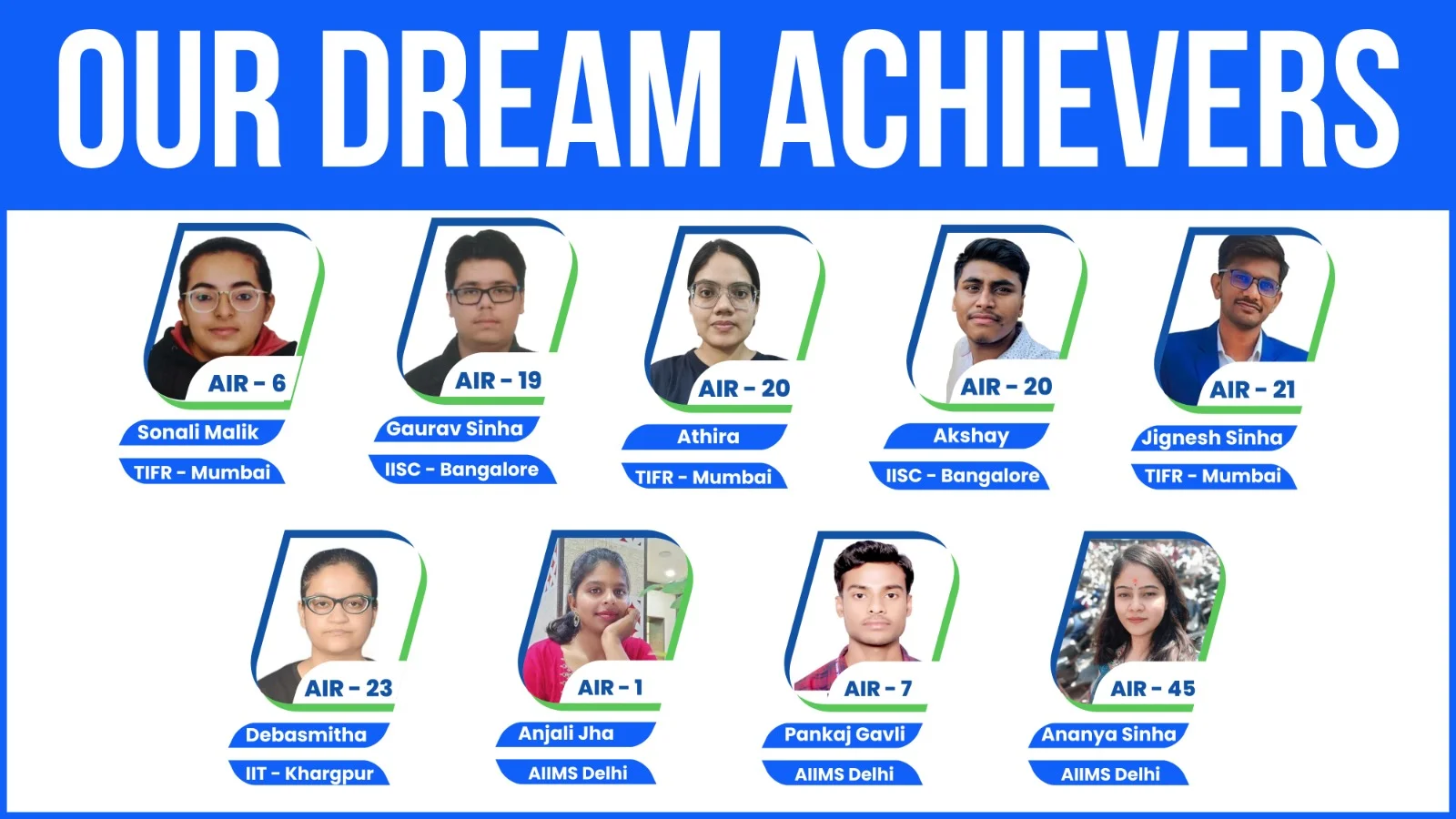
Track Record: Students from Chandu Biology Classes have consistently qualified in KSET Life Science, validating the effectiveness of the program.
Fee Structure
Chandu Biology Classes offers two modes of learning to accommodate students from across Karnataka and beyond:
| Mode | Fee |
|---|---|
| Online Classes | ₹25,000 |
| Offline Classes | ₹30,000 |
The online program gives students access to live and recorded sessions, study material, and mock tests — making it ideal for working professionals or students living outside the city. The offline program provides in-person classroom experience, direct interaction with faculty, and an immersive learning environment.
Note: For enrollment and further details, reach out to Chandu Biology Classes directly.
Month-by-Month KSET Life Science Study Plan (Detailed)
Here is a structured 6-month preparation calendar specifically designed for the best KSET Life Science preparation outcome:
Month 1
- Week 1–2: Cell Biology (cell structure, organelles, cell cycle)
- Week 3–4: Molecular Biology basics (DNA, RNA, replication, transcription)
- Paper I: Teaching aptitude concepts and reasoning basics
- Daily MCQ practice: 30 questions
Month 2
- Week 1–2: Genetics (Mendelian, chromosomal, molecular genetics)
- Week 3–4: Biochemistry (biomolecules, enzymes, metabolic pathways)
- Paper I: Research methodology, data interpretation
- Solve: 1 full KSET previous year paper (untimed, analysis focus)
Month 3
- Week 1–2: Plant Sciences (anatomy, physiology, hormones)
- Week 3–4: Animal Sciences (physiology, comparative anatomy)
- Mock Test: 1 full-length mock test under timed conditions
- Review: Revise Month 1 topics with short notes
Month 4
- Week 1–2: Ecology (population, community, biogeochemical cycles)
- Week 3–4: Microbiology & Immunology
- Mock Tests: 2 full-length tests
- Analyze error patterns from tests
Month 5
- Week 1–2: Biotechnology (recombinant DNA, PCR, gene editing)
- Week 3–4: Developmental Biology + Evolution & Systematics
- Mock Tests: 3 full-length tests
- Begin intensive short-note revision
Month 6
- Complete revision: All units using short notes
- Daily mock tests: 1 full paper per day in the final 2 weeks
- Weak area drilling: Target low-accuracy topics with extra MCQ practice
- Paper I daily: 20–25 questions every morning
Paper I Preparation: Don’t Let It Be Your Blind Spot
Paper I tests ten core areas:
- Teaching Aptitude
- Research Aptitude
- Reading Comprehension
- Communication
- Reasoning (Logical and Mathematical)
- Data Interpretation
- ICT & IT Literacy
- People & Environment
- Higher Education System in India
- Governance and Polity basics
For Life Science students, the tricky parts are usually Data Interpretation, Logical Reasoning, and Higher Education System. Dedicate focused time to these weekly. Don’t assume Paper I is easy — the cutoff must be cleared.
How to Approach KSET Life Science MCQs in the Exam Hall
Exam strategy on the day matters as much as preparation:
Attempt Order:
- Start with your strongest units — build momentum
- Leave tricky or uncertain questions for the second round
- Never spend more than 90 seconds on a single question in the first pass
Time Allocation for Paper II (100 questions, 120 minutes):
- First 80 minutes: Attempt all questions you know confidently
- Next 30 minutes: Return to skipped questions
- Final 10 minutes: Review marked answers
Guessing Strategy: KSET has no negative marking. This means you should attempt every single question — even if you’re guessing. Never leave a question blank. Use elimination to improve your odds on uncertain questions.
Frequently Asked Questions (FAQ) — Trending KSET Life Science Searches
These are the questions students are actively searching for right now related to best KSET Life Science preparation:
Q1. How many months of preparation is enough for KSET Life Science?
For a student with a strong MSc Life Science background, 4–6 months of focused preparation is typically sufficient. For students who have been out of academics for a while or have a weak foundation in certain areas like Biotechnology or Molecular Biology, 6–9 months is more realistic. The quality and consistency of daily study matter far more than the number of months.
Q2. Is KSET Life Science harder than CSIR NET?
KSET Life Science is generally considered slightly less difficult than CSIR NET Life Sciences, but it covers a very similar syllabus. CSIR NET has a more analytical and numerical approach in some sections, while KSET is fully MCQ-based. Preparing for CSIR NET simultaneously also prepares you well for KSET.
Q3. Can I clear KSET Life Science without coaching?
Yes, self-study is possible if you are disciplined, have access to good resources, and follow a structured plan. However, coaching — especially from experienced faculty like Chandu Biology Classes — dramatically reduces preparation time and increases clarity on complex topics. The test series and mock tests from a coaching center are also more aligned with actual KSET patterns.
Q4. What is the KSET Life Science cutoff?
The cutoff varies each year based on exam difficulty and the number of candidates. Generally:
- General category: 40% (Paper I) and 40% (Paper II) separately
- OBC/SC/ST/PwD: 35% in each paper Both papers must be cleared in the same attempt.
Q5. Which topics have the highest weightage in KSET Life Science Paper II?
Based on analysis of recent KSET papers:
- Molecular Biology & Genetics: ~20–25%
- Cell Biology: ~12–15%
- Biochemistry: ~10–12%
- Ecology: ~8–10%
- Biotechnology: ~8–10%
These five areas together can account for 55–70% of the paper — making them the non-negotiable priorities.
Q6. Are previous year KSET papers available online?
Yes. The University of Mysore (KSET official body) releases previous papers. They are also widely available on educational platforms. Solving at least 7–8 years of previous papers is strongly recommended as part of your best KSET Life Science preparation strategy.
Q7. How is KSET different from CSIR NET and UGC NET for Life Science?
- KSET qualifies you specifically for Assistant Professor positions in Karnataka state universities and colleges.
- UGC NET qualifies you for Assistant Professor and JRF positions across India in central universities and deemed universities.
- CSIR NET qualifies you for JRF and Lectureship specifically in Science subjects and is more research-oriented.
All three share significant syllabus overlap in Life Sciences. Preparing for KSET with a strong foundation also helps in UGC NET and partially in CSIR NET.
Q8. What books should I follow for KSET Life Science Paper II?
The most recommended books are:
- Molecular Biology: Molecular Biology of the Gene (Watson), Molecular Cell Biology (Lodish)
- Cell Biology: Cell and Molecular Biology (Gerald Karp)
- Genetics: Lewin’s Genes, Strickberger’s Genetics
- Biochemistry: Lehninger’s Principles of Biochemistry, Stryer
- Ecology: Ecology (Odum), Krebs
- Microbiology: Prescott’s Microbiology, Pelczar
- Biotechnology: Principles of Gene Manipulation (Old & Primrose)
These textbooks, combined with coaching notes and MCQ practice, form the strongest resource base for KSET success.
Q9. How should I prepare for KSET Paper I along with Paper II?
The most effective approach is to dedicate 30–45 minutes daily to Paper I rather than saving it for the last month. Practice logical reasoning and data interpretation questions every morning before starting your Life Science subject study. One full Paper I mock test per week in the final two months is ideal.
Q10. Is online coaching effective for KSET Life Science?
Online coaching has proven to be highly effective, especially post-pandemic. Platforms like Chandu Biology Classes offer online programs at ₹25,000 that include live classes, recorded lectures, study material, and mock tests. For students based outside major cities, online coaching is often the most practical and equally effective alternative to offline classes (₹30,000).
Final Words: Your KSET Life Science Success Starts Today
The best KSET Life Science preparation is not about studying harder — it’s about studying smarter. It’s about knowing which units to prioritize, building genuine conceptual clarity rather than shallow memorization, solving hundreds of MCQs before you ever sit in the exam hall, and surrounding yourself with the right guidance.
You have the knowledge — you earned it through years of studying Biology. Now it’s time to channel that knowledge into a focused, exam-ready format. Whether you choose to prepare independently with a strict self-study plan, or invest in structured coaching from an institution like Chandu Biology Classes (Online: ₹25,000 | Offline: ₹30,000), what matters most is that you start now, stay consistent, and treat every mock test as a learning opportunity rather than just a score.
KSET Life Science is clearable. Thousands of candidates have done it before you. With the right strategy and the right support, you will too.
Good luck with your KSET Life Science journey. Prepare well, trust the process, and stay consistent — success follows preparation.
