
What is GAT-B? An Introduction for Aspiring Life Scientists
The GAT-B exam 2026 complete guide starts with one simple question — what exactly is this exam, and why does it matter so much in Indian life sciences?
GAT-B, short for Graduate Aptitude Test in Biosciences, is a national-level competitive examination conducted by the Department of Biotechnology (DBT), Ministry of Science and Technology, Government of India. It is specifically designed for students who have completed or are in the final year of their B.Sc., B.Tech., M.Sc., or equivalent degree in life sciences, biotechnology, or related disciplines.
What makes GAT-B uniquely powerful is its dual utility. A single exam score qualifies you for two of the most prestigious Junior Research Fellowships in India — the DBT JRF and the ICMR JRF — and also serves as the admission gateway to several top-ranked institutes for their integrated PhD and M.Sc. programs.
In simple terms, one exam, multiple opportunities. That is the power of GAT-B.
Why GAT-B 2026 Is More Important Than Ever
In the past few years, the competition for research positions in Indian life sciences has grown sharply. More students are choosing research careers, and funding agencies are demanding more rigorous selection processes.
GAT-B has emerged as the single most strategic exam for biology graduates who want to enter the Indian research ecosystem with a fellowship in hand. Unlike CSIR-NET, which caters to a broader science audience, GAT-B is exclusively for biosciences — making it sharper, more focused, and highly relevant for biology specialists.
Here’s why 2026 is a critical year to appear:
- Increased fellowship slots under DBT and ICMR programs
- More institutes have joined the GAT-B participating list
- Online coaching accessibility has expanded, giving students from smaller cities an equal shot
- Syllabus alignment with cutting-edge topics in molecular biology, genomics, and computational biology
If you are a life sciences student or graduate sitting on the fence about appearing for GAT-B 2026, this is the year to go all in.
GAT-B 2026 Exam Overview at a Glance
Before diving into specifics, here is a quick snapshot of the GAT-B 2026 exam structure:
| Feature | Details |
|---|---|
| Full Name | Graduate Aptitude Test – Biosciences |
| Conducting Body | Department of Biotechnology (DBT), Govt. of India |
| Exam Level | National |
| Mode of Exam | Online (Computer-Based Test) |
| Frequency | Once a year |
| Eligibility | B.Sc./B.Tech./M.Sc. in Life Sciences or related fields |
| Fellowships Offered | DBT JRF, ICMR JRF |
| Duration | 3 Hours |
| Total Marks | 200 |
| Language | English |
| Negative Marking | Yes (varies by section) |
This single table summarizes why serious preparation is non-negotiable. With 200 marks, a 3-hour time limit, and negative marking in play, every question counts.
GAT-B 2026 Eligibility Criteria — Who Can Apply?
Understanding eligibility is the very first step in this GAT-B exam 2026 complete guide. Missing a single criterion can disqualify your application before it even reaches the exam hall.
For DBT JRF (Category I)
- Educational Qualification: M.Sc. or equivalent degree in any branch of Biotechnology, Life Sciences, Agriculture, Veterinary Sciences, Pharmacy, or related disciplines
- Minimum Marks: At least 55% marks (50% for SC/ST/OBC/PwD candidates)
- Age Limit: Not more than 28 years as on the date of application (relaxation for reserved categories as per government norms)
- Final Year Students: Final year M.Sc. students can also apply, provided they complete their degree before joining the fellowship
For ICMR JRF (Category II)
- Educational Qualification: M.Sc. in Life Sciences, Biological Sciences, Microbiology, Biochemistry, Bioinformatics, or any equivalent degree
- Minimum Marks: At least 55% marks (relaxation applicable for reserved categories)
- Age Limit: Not more than 28 years as of the date of the application (with standard relaxations)
- Medical Background: Candidates with MBBS or BDS can also apply under certain conditions
For Institute Admissions (Category III)
- Educational Qualification: B.Sc. or equivalent in Life Sciences or related discipline for integrated PhD programs
- Minimum Marks: Typically 60% marks or equivalent CGPA
- Age Limit: Varies by institute, generally up to 25 years for B.Sc. graduates
Pro Tip from Chandu Biology Classes: Many students lose eligibility simply because they don’t check the exact age cutoff date. Always calculate your age as of the application date, not the exam date.
GAT-B 2026 Exam Pattern — Structure You Must Know
The exam has been redesigned over recent years to align with international research aptitude standards. Here is the detailed pattern:
Section A — General Biology Aptitude (40 Questions)
This section tests your conceptual clarity across core biology topics. Questions here are application-based and require you to think like a researcher, not a textbook reader. Topics include cell biology, genetics, evolution, ecology, and basic biochemistry.
Marks: Each correct answer = +2 marks | Wrong answer = −0.5 marks
Section B — Specialization (60 Questions)
This section is where the real battle is won or lost. You choose from one of the following specialization streams:
- Biotechnology and Applied Biology
- Biochemistry
- Microbiology
- Plant Sciences
- Animal Sciences
- Ecology and Evolution
- Computational Biology / Bioinformatics
Marks: Each correct answer = +2 marks | Wrong answer = −0.5 marks
Total Exam Breakdown:
| Section | Questions | Marks per Question | Total Marks |
|---|---|---|---|
| Section A (General Biology) | 40 | +2 / −0.5 | 80 |
| Section B (Specialization) | 60 | +2 / −0.5 | 120 |
| Grand Total | 100 | — | 200 |
GAT-B 2026 Syllabus — Topic-by-Topic Breakdown
The GAT-B exam 2026 complete guide is incomplete without a clear look at what you are expected to master.
Section A — Core Topics
Cell Biology: Cell structure and organelles, cell division (mitosis and meiosis), cell signaling pathways, membrane transport, cytoskeleton
Genetics and Molecular Biology: Mendelian genetics, linkage and recombination, DNA replication, transcription, translation, gene regulation, epigenetics, CRISPR and genome editing basics
Biochemistry: Amino acids and proteins, enzymes and kinetics, metabolic pathways (glycolysis, TCA cycle, oxidative phosphorylation), nucleic acid chemistry, lipid metabolism
Evolution and Ecology: Natural selection, speciation, population genetics (Hardy-Weinberg law), ecosystem ecology, biodiversity, conservation biology
Developmental Biology: Embryonic development, stem cells, cell differentiation, model organisms
Section B — Specialization Topics (Example: Biotechnology)
- Recombinant DNA technology
- PCR and its variants (qPCR, RT-PCR, digital PCR)
- Cloning vectors and expression systems
- Protein purification techniques (chromatography, electrophoresis)
- Fermentation technology
- Biosafety and bioethics
- Immunology (antibodies, vaccines, hybridoma technology)
- Genomics and proteomics
Note: The syllabus for each specialization stream is published officially by DBT. Always cross-check the latest syllabus notification before finalizing your preparation plan.
DBT JRF — Everything You Need to Know
The DBT Junior Research Fellowship is one of India’s most sought-after research fellowships for life science graduates.
What is DBT JRF?
DBT JRF is a fellowship awarded to top-ranked GAT-B scorers that funds PhD research at any recognized Indian university or institute. It is divided into two categories:
- Category I (DBT JRF-A): Awarded to the top 275 candidates in the GAT-B merit list. Fellows receive a monthly stipend and can pursue PhD at any institute of their choice.
- Category II (DBT JRF-B): Awarded to the next category of merit-listed candidates. These fellows can join PhD programs at DBT-supported institutes only.
DBT JRF Stipend 2026
| Category | Monthly Stipend | HRA |
|---|---|---|
| DBT JRF-A | ₹37,000/month | As per institute norms |
| DBT JRF-B | ₹37,000/month | As per institute norms |
| Senior Research Fellowship (SRF) | ₹42,000/month | As per institute norms |
The fellowship is valid for 2 years and can be upgraded to SRF after satisfactory performance review.
Why DBT JRF is Prestigious
A DBT JRF holder can approach any top Indian research institute — IISc, IITs, AIIMS, NIMHANS, or NCBS — and negotiate a position directly. You are not bound to a specific institute, which gives you incredible freedom to choose the best mentor for your research interests.
ICMR JRF — Everything You Need to Know
The ICMR Junior Research Fellowship is India’s flagship biomedical research fellowship, specifically for students interested in medical and health sciences research.
What is ICMR JRF?
Awarded by the Indian Council of Medical Research, this fellowship funds PhD research focused on biomedical, pharmaceutical, and public health topics. It is awarded through the GAT-B exam score to a select number of candidates every year.
ICMR JRF Key Features
- Research Focus: Biomedical research, clinical trials, epidemiology, drug discovery, infectious disease
- Fellowship Duration: Initially 2 years, extendable to 5 years based on performance
- Host Institutes: Any ICMR-recognized institute, medical colleges, or ICMR regional centers
ICMR JRF Stipend 2026
| Year | Monthly Stipend |
|---|---|
| Year 1–2 (JRF) | ₹37,000/month |
| Year 3–5 (SRF) | ₹42,000/month |
ICMR JRF vs DBT JRF — Quick Comparison
| Feature | DBT JRF | ICMR JRF |
|---|---|---|
| Focus | Biotechnology/Life Sciences | Biomedical/Health Sciences |
| Top Institutes | IISc, NCBS, JNU, IITs | AIIMS, PGI, ICMR Centers |
| Flexibility | Any institute | ICMR-recognized institute |
| Annual Slots | ~275 (Cat I) + Cat II | ~150–200 |
GAT-B Participating Institutes 2026
One of the biggest advantages of the GAT-B exam is the wide range of institutes that use its score for direct admissions to PhD and integrated PhD programs.
Top GAT-B Participating Institutes
Tier 1 Research Institutes:
- Institute of Bioinformatics and Applied Biotechnology (IBAB), Bangalore
- Jawaharlal Nehru University (JNU) — School of Life Sciences, New Delhi
- University of Hyderabad (UoH) — School of Life Sciences
- Banaras Hindu University (BHU) — Institute of Science
- University of Delhi — South Campus — Department of Biochemistry
DBT Autonomous Institutes:
- National Institute of Immunology (NII), New Delhi
- National Centre for Cell Science (NCCS), Pune
- National Brain Research Centre (NBRC), Manesar
- Institute for Stem Cell Science and Regenerative Medicine (inStem), Bangalore
- Centre for DNA Fingerprinting and Diagnostics (CDFD), Hyderabad
- National Institute of Animal Biotechnology (NIAB), Hyderabad
Regional Institutes:
- Rajiv Gandhi Centre for Biotechnology (RGCB), Thiruvananthapuram
- North-Eastern Hill University (NEHU), Shillong
- Tezpur University, Assam
Each of these institutes has its own cutoff, seat availability, and interview process after the GAT-B score. Simply scoring well in GAT-B is your entry ticket — the rest depends on your research statement and interview performance.
GAT-B 2026 Application Process — Step by Step
Applying for GAT-B 2026 is straightforward if you follow these steps carefully:
Step 1 — Check the Official Notification Visit the official DBT website and IBAB portal for the GAT-B 2026 notification. The notification typically releases in January–February of the exam year.
Step 2 — Register Online Create an account on the official GAT-B portal. Use your active email ID and mobile number — all communications are sent digitally.
Step 3 — Fill the Application Form Enter your personal details, educational qualifications, choice of specialization (Section B stream), and preferred exam center. Double-check every entry before submission.
Step 4 — Upload Documents
- Recent passport-sized photograph
- Signature in the specified format
- Degree certificate or provisional certificate
- Category certificate (if applicable)
Step 5 — Pay the Application Fee
| Category | Application Fee |
|---|---|
| General / OBC | ₹1,000 |
| SC / ST / PwD | ₹500 |
Step 6 — Download Admit Card Admit cards are available approximately 2–3 weeks before the exam date. Download and print multiple copies.
Step 7 — Appear for the Exam Reach the exam center at least 30 minutes before the reporting time. Carry your admit card and a valid photo ID.
How to Prepare for GAT-B 2026 — A Strategic Roadmap
Preparation strategy makes the difference between a good score and a rank in the top 275. Here is the roadmap followed at Chandu Biology Classes:
Phase 1 — Foundation Building (Months 1–2)
- Complete all NCERT Biology books (Class 11 and 12) for concept clarity
- Build a strong base in cell biology, genetics, and biochemistry
- Start reading Lehninger’s Principles of Biochemistry (selected chapters)
- Solve previous years’ CSIR-NET and GAT-B papers to understand question types
Phase 2 — Core Subject Mastery (Months 3–5)
- Deep-dive into your Section B specialization topic
- Study Molecular Biology of the Cell (Alberts) for cell and molecular biology
- Cover Genes XII (Lewin) for genetics and molecular genetics
- Practice at least 50 MCQs daily on your chosen specialization
Phase 3 — Revision and Mock Tests (Month 6)
- Take full-length mock tests every week under timed conditions
- Analyze your weak chapters and revise selectively
- Focus heavily on application-based questions — GAT-B rarely tests direct recall
- Join a test series to benchmark your performance against real competition
Key Books for GAT-B 2026 Preparation
| Subject | Recommended Book |
|---|---|
| Cell Biology | Molecular Biology of the Cell – Alberts |
| Biochemistry | Lehninger’s Principles of Biochemistry |
| Genetics | Genes XII – Benjamin Lewin |
| Microbiology | Prescott’s Microbiology |
| Immunology | Kuby Immunology |
| Ecology | Ecology: Concepts and Applications – Molles |
| General Biology | NCERT Biology (Class 11 & 12) |
GAT-B 2026 Important Dates (Expected)
Note: Official dates will be announced by DBT/IBAB. The dates below are based on the historical pattern of previous years.
| Event | Expected Date |
|---|---|
| Official Notification Release | January–February 2026 |
| Application Window Opens | February 2026 |
| Last Date to Apply | March 2026 |
| Admit Card Download | April 2026 |
| GAT-B Exam Date | May 2026 |
| Result Declaration | June–July 2026 |
| Fellowship Joining | August–September 2026 |
Always verify these dates on the official IBAB/DBT portal. Dates shift slightly year to year.
FAQ — GAT-B 2026 Complete Guide
Q1. Is GAT-B and DBT-JRF the same exam? No. GAT-B is the exam, and DBT JRF is the fellowship awarded based on your GAT-B score. Cracking GAT-B with a high rank automatically qualifies you for DBT JRF consideration.
Q2. Can a B.Sc. student apply for GAT-B? Yes, but only for Category III — i.e., admissions to integrated PhD programs at participating institutes. For DBT JRF and ICMR JRF, you need an M.Sc. or equivalent.
Q3. How many attempts are allowed for GAT-B? There is no limit on the number of attempts, but the age limit applies. You can keep appearing until you exceed the maximum age limit of 28 years (with applicable relaxations).
Q4. Can I apply for both DBT JRF and ICMR JRF through a single application? Yes. You apply once for GAT-B, and based on your score and rank, you are considered for both fellowships simultaneously. You don’t need to apply separately.
Q5. Is GAT-B harder than CSIR-NET? They test different things. CSIR-NET is broader and includes mathematical sciences and physical sciences sections. GAT-B is more specialized and goes deeper into life sciences topics. Many students find GAT-B’s Section B harder because of the depth required in specialization subjects.
Q6. What is the cutoff score for GAT-B? The cutoff varies every year depending on the number of applicants, the difficulty of the paper, and available fellowship slots. Historically, Category I (DBT JRF-A) cutoffs have ranged between 130–155 out of 200.
Q7. Is coaching necessary for GAT-B 2026? While self-study is possible, structured coaching significantly improves your rank. Students who join dedicated GAT-B coaching programs consistently outperform self-study candidates, especially in Section B specialization topics and mock test analysis.
Why Chandu Biology Classes Is the Right Choice for GAT-B 2026
When it comes to cracking the GAT-B exam, preparation quality determines rank. This is exactly where Chandu Biology Classes, Hyderabad has built its reputation — not just locally in Telangana and Hyderabad, but across India through its robust online program.
What Makes Chandu Biology Classes Different?
Expert Faculty with Research Background: The coaching at Chandu Biology Classes is delivered by faculty who have themselves cleared competitive life sciences exams and hold postgraduate and doctoral qualifications. They don’t just teach — they mentor students to think like researchers.
Dedicated GAT-B 2026 Course: Unlike generic biology coaching centers, Chandu Biology Classes offers a focused, exam-specific course for GAT-B. Every lecture, every test series, and every doubt session is calibrated to the GAT-B exam pattern.
Comprehensive Study Material: Students receive curated notes covering all GAT-B sections, previous year papers with detailed explanations, and a mock test series that closely mirrors the actual exam difficulty.
Online + Offline Flexibility: Whether you are in Hyderabad or anywhere else in India, Chandu Biology Classes reaches you. The online batch is as rigorous as the offline classroom program — same faculty, same material, same test series. This has made it a go-to choice for students from Maharashtra, Karnataka, Tamil Nadu, West Bengal, and beyond.
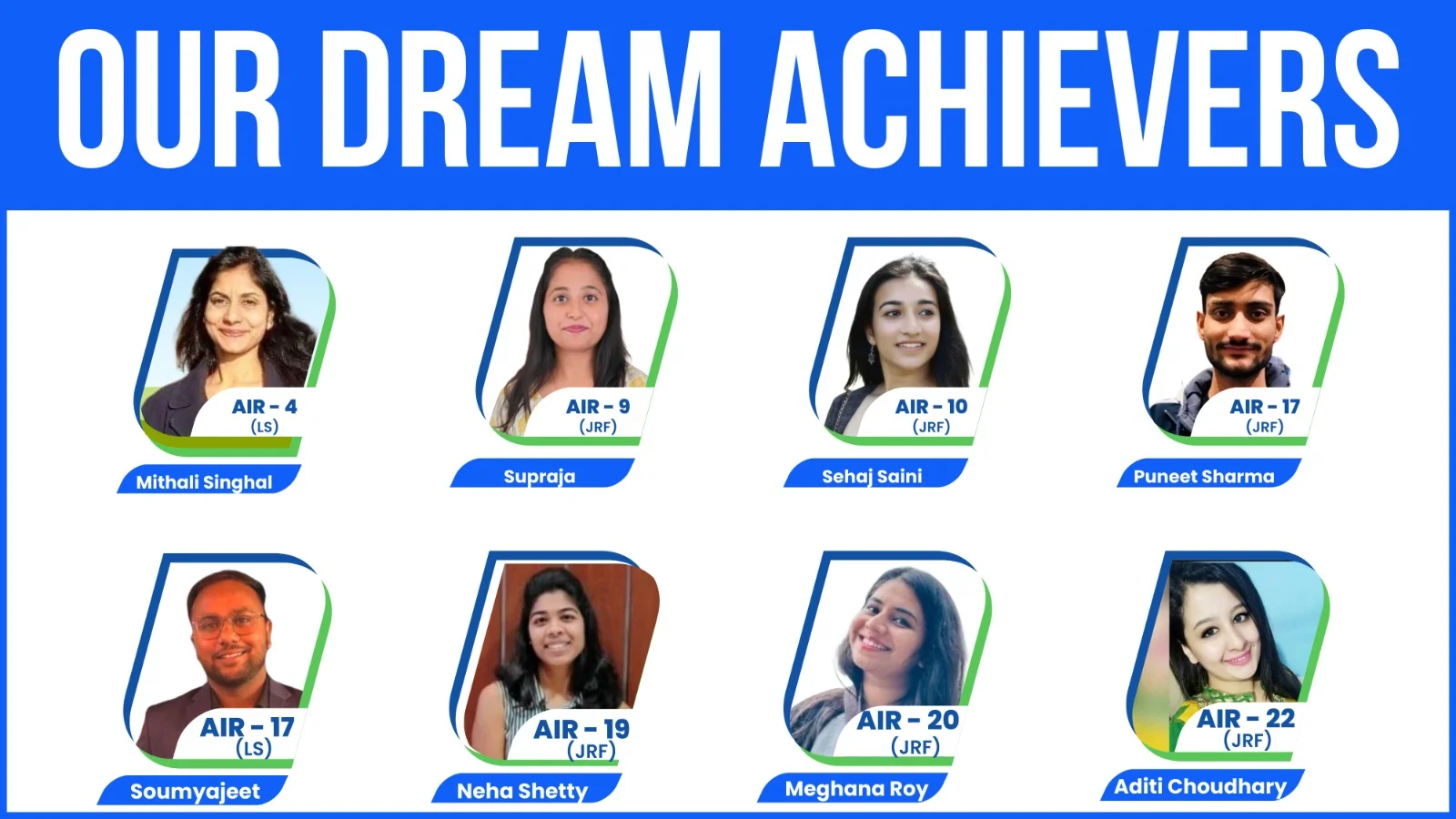
Track Record of Results: Year after year, students from Chandu Biology Classes have cracked DBT JRF, ICMR JRF, CSIR-NET, and secured admissions to top institutes like University of Hyderabad, CDFD, NIAB, and JNU.
Doubt Resolution and Personal Mentorship: One of the biggest advantages students report is the availability of faculty for doubt clearing. Regular one-on-one mentorship sessions ensure no student is left behind on a difficult topic.
Final Word — Start Your GAT-B 2026 Journey Today
The GAT-B exam 2026 complete guide you’ve just read covers everything — from what the exam is and who conducts it, to eligibility, syllabus, exam pattern, fellowship details, participating institutes, and the right preparation strategy.
Here’s what successful GAT-B rankers all have in common: they started early, they studied smart, and they had the right guidance.
If you are serious about cracking GAT-B 2026, securing a DBT JRF or ICMR JRF fellowship, and building a meaningful research career in life sciences, then the time to act is right now — not after the notification drops, not after applications open.
Join Chandu Biology Classes today — Hyderabad’s most trusted life sciences coaching institute, now available online for students across India.
📞 Connect with Chandu Biology Classes
🎯 Ready to Crack GAT-B 2026?
Don’t leave your fellowship to chance. Join the coaching program that has already guided hundreds of life sciences students to their dream research careers.
📍 Location: Chandu Biology Classes, Hyderabad, Telangana 🌐 Mode: Offline (Hyderabad) | Online (All India)
