
What Is the APPSC JL Botany Paper 2 Exam — And Why Does It Demand a Strategy?
The APPSC Junior Lecturer (JL) Botany recruitment is one of the most competitive government teaching appointments in Andhra Pradesh. Thousands of candidates with MSc Botany degrees appear every cycle. Yet only a fraction of them crack Paper 2 with scores above 120.
The difference is never just knowledge — it is always strategy.
Paper 2 is a 150-mark objective paper covering the entire undergraduate and postgraduate Botany syllabus. The questions are deceptively concept-based. You cannot mug up answers; you need to understand the biology deeply enough to apply it to twisted MCQ options.
This is exactly why generic self-study often fails. The APPSC JL botany syllabus high weightage topics are well-defined, but knowing which subtopics inside those units actually appear in exams — and in what pattern — requires guided coaching from someone who has mapped years of question papers.
Understanding the Official APPSC JL Botany Paper 2 Syllabus Structure
Before diving into high-weightage topics, you need to see the full picture. The Paper 2 syllabus is divided into broad units. Here is a clean breakdown:
| Unit No. | Topic Area | Approx. Weightage |
|---|---|---|
| Unit 1 | Microbiology & Plant Pathology | 8–10% |
| Unit 2 | Cryptogams (Algae, Fungi, Bryophytes, Pteridophytes) | 10–12% |
| Unit 3 | Gymnosperms & Plant Embryology | 6–8% |
| Unit 4 | Cell Biology & Molecular Biology | 14–16% |
| Unit 5 | Genetics & Plant Breeding | 12–14% |
| Unit 6 | Plant Physiology & Biochemistry | 14–16% |
| Unit 7 | Ecology & Environmental Biology | 10–12% |
| Unit 8 | Economic Botany & Ethnobotany | 8–10% |
| Unit 9 | Plant Taxonomy & Systematics | 6–8% |
| Unit 10 | Biotechnology & Bioinformatics | 8–10% |
This is not a syllabus where every unit deserves equal time. Units 4, 5, and 6 alone can fetch you 45–50 marks if mastered properly. The smart move is to treat this like an investment — put 70% of your time into the top 4 units and use the remaining 30% to cover moderate-weightage areas.
The High-Weightage Topics You Must Prioritize in APPSC JL Botany Paper 2
This is the section that can transform your preparation. These are the APPSC JL botany syllabus high weightage topics that appear cycle after cycle — often disguised in different question formats but rooted in the same concepts.
H2: Unit 4 — Cell Biology & Molecular Biology (The Highest-Scoring Unit)
This unit is the backbone of Paper 2. Expect 20–24 questions directly or indirectly touching this area.
Cell Structure & Function
Focus on ultra-structure of cell organelles — especially the mitochondria, chloroplast, ribosome, and nucleus. Questions are often asked about the number of membranes, the exact function of inner membrane folds (cristae), and the connection between structure and function.
Don’t just memorize — draw these structures, label them, and explain why each feature exists biologically.
DNA Replication, Transcription & Translation
The Central Dogma is a guaranteed question zone. Know the enzymes involved at every step — DNA Polymerase I, II, III, Primase, Helicase, Ligase. Understand the difference between prokaryotic and eukaryotic replication.
For transcription, focus on RNA Polymerase types, promoter sequences, and post-transcriptional modifications (5′ capping, 3′ poly-A tail, splicing). Translation questions often revolve around initiation factors, codons, and anticodon matching.
Gene Regulation
The Lac Operon and Trp Operon models are almost perennially asked. Go beyond just naming them — understand the logic of negative and positive regulation. Questions like “what happens to the operon when lactose is absent AND glucose is absent?” require conceptual clarity, not rote memorization.
Cell Division — Mitosis & Meiosis
Focus on checkpoint mechanisms, cyclins, CDKs, and the significance of each phase. Meiosis questions often test crossing over, chiasmata formation, and the genetic significance of recombination.
H2: Unit 6 — Plant Physiology & Biochemistry (Equally Critical)
Plant Physiology is a deeply numerical and conceptual unit. Questions here often require you to choose between subtly different mechanisms.
Photosynthesis
Go deep into Light Reactions (Z-scheme, photophosphorylation, cyclic vs non-cyclic) and Calvin Cycle (enzymes like RuBisCO, stages of carbon fixation). C4 plants and Hatch-Slack pathway are frequently tested — know the bundle sheath vs mesophyll cell division of labor.
CAM plants (Crassulacean Acid Metabolism) are a shorter topic but appear surprisingly often. Know the timing of CO₂ fixation and the role of malic acid storage.
Respiration
Glycolysis, Krebs Cycle (TCA cycle), and Electron Transport Chain (ETC) — all three must be studied in enzyme-level detail. Know the ATP yield at each step (substrate-level vs oxidative phosphorylation).
The chemiosmosis theory (Peter Mitchell) and ATP synthase structure are guaranteed marks.
Plant Growth Regulators
This is a high-return subtopic that many candidates underestimate. Learn all five classical PGRs — Auxins, Gibberellins, Cytokinins, ABA, Ethylene — with their discovery history, chemical nature, and physiological roles.
Pay special attention to:
- Auxin polar transport and the Went experiment
- Gibberellin and seed germination/bolting
- ABA as the stress hormone
- Ethylene and fruit ripening (climacteric vs non-climacteric fruits)
Water Relations
Osmosis, water potential, turgor pressure, plasmolysis — these concepts form the basis of 4–6 questions every exam. Understand the cohesion-tension theory of water ascent and the role of aquaporins in membrane water transport.
H2: Unit 5 — Genetics & Plant Breeding
Genetics is the most application-based unit in Paper 2. It requires problem-solving, not just reading.
Mendelian Genetics & Extensions
Master all extensions of Mendelian ratios — incomplete dominance, codominance, epistasis, polygenic inheritance, pleiotropy, lethal alleles. Questions often give you a cross result and ask you to identify the inheritance pattern.
Practice solving dihybrid cross problems quickly. The 9:3:3:1 ratio and its modifications (9:7, 12:3:1, 15:1, etc.) are classic APPSC question material.
Linkage, Crossing Over & Chromosome Mapping
Know Morgan’s experiments with Drosophila, the concept of map units (centimorgans), and how to calculate recombination frequency. Chromosome mapping questions with three-point crosses appear in higher-difficulty papers.
Mutations
Study gene mutations (transition, transversion, frameshift) and chromosomal mutations (deletion, duplication, inversion, translocation). Know specific examples — Philadelphia chromosome in CML, Down syndrome (trisomy 21), etc.
Plant Breeding Techniques
This subtopic is often neglected but carries 6–8 marks in most cycles. Study:
- Introduction, Selection, Hybridization methods
- Heterosis and inbreeding depression
- Mutation breeding (use of colchicine, radiation)
- Polyploidy — autopolyploidy vs allopolyploidy with examples like Triticum (wheat)
H2: Unit 7 — Ecology & Environmental Biology
Ecology is a scoring unit because it has a large portion of straightforward, factual questions mixed with applied ones.
Ecological Concepts
Master the levels of ecological organization and the definitions at each level. Know the difference between habitat and niche, population and community.
Population ecology questions are extremely common — study population growth models (logistic vs exponential), carrying capacity (K), natality, mortality, age pyramids, and survivorship curves (Types I, II, III).
Ecosystem & Energy Flow
Understand food chains, food webs, ecological pyramids (number, biomass, energy). The 10% law (Lindemann’s law) and trophic efficiency are standard questions.
Know the biogeochemical cycles — Carbon, Nitrogen, Phosphorus, and Sulphur cycles — in detail. Nitrogen cycle questions often focus on the specific bacteria involved at each step (Nitrosomonas, Nitrobacter, Rhizobium, etc.).
Biodiversity & Conservation
With increasing environmental awareness, biodiversity hotspots, IUCN Red List categories, in-situ vs ex-situ conservation, and biosphere reserves are heavily tested. Know India-specific data — number of hotspots in India, key reserves in Andhra Pradesh and Telangana.
Environmental Pollution
Study types of pollution (air, water, soil, noise, radiation) with their causes, effects, and control measures. Topics like Biomagnification, Eutrophication, Ozone depletion, Acid rain carry direct questions almost every exam cycle.
H2: Unit 2 — Cryptogams (A Moderate-High Weightage Zone)
Cryptogams cover Algae, Fungi, Bryophytes, and Pteridophytes. While this is a broader unit, focused study on life cycles can get you 12–16 marks reliably.
Algae
Study economic importance of algae (Spirulina as protein source, Chlorella, Agar from Gracilaria/Gelidium, Carrageenan from red algae). Life cycles of Spirogyra, Chara, Fucus, and Polysiphonia are frequently asked.
Fungi
Know the classification (Phycomycetes, Ascomycetes, Basidiomycetes, Deuteromycetes) and economic importance — both beneficial (Penicillin from Penicillium, Cyclosporin, yeast in fermentation) and harmful (rusts, smuts, blights in crops).
Study Alternation of Generations in Rhizopus, Mucor, Aspergillus, Agaricus.
Bryophytes & Pteridophytes
Focus on Marchantia (liverwort) and Funaria (moss) life cycles for Bryophytes. For Pteridophytes, study Dryopteris and Selaginella — the concept of heterospory and its evolutionary significance is a classic exam question.
How to Study APPSC JL Botany Paper 2 — A Practical 90-Day Plan
Knowing what to study is only half the battle. Here is a structured approach:
Days 1–30 (Foundation Phase)
- Cover Units 4 and 6 completely with NCERT + PG-level notes
- Practice 25 MCQs daily from these units
- Revise previous year questions from 2012–2024 for Units 4 and 6 only
Days 31–60 (Expansion Phase)
- Cover Units 5, 7, and 2 with detailed notes
- Increase MCQ practice to 50/day
- Start full-length mock tests every Sunday (150 questions, 150 minutes)
Days 61–90 (Revision + Exam Phase)
- Rapid revision of Units 1, 3, 8, 9, 10
- 2 full mock tests per week with error analysis
- Revisit all weak areas identified in mock tests
- Final 10-day rapid revision of all formula-based and fact-based questions
Common Mistakes That Cost Candidates 20–30 Marks in Paper 2
Even well-prepared students lose marks due to avoidable mistakes. Watch out for these:
- Reading only one reference book — APPSC JL questions pull from multiple sources. You need Pandey & Trivedi, B.D. Singh, and Verma & Agarwal together.
- Ignoring economic botany — Unit 8 is seen as “easy” and skipped. It actually carries 10–12 direct questions with no calculation involved. It is free marks.
- Not practicing MCQs under time pressure — At 1 minute per question, time management is critical. Many candidates know the answers but run out of time.
- Skipping negative marking strategy — APPSC Paper 2 has 0.33 negative marking. Blind guessing on 20 questions can cost you 6–7 marks. Attempt only when you can eliminate at least 2 options confidently.
- Studying without a mentor — The syllabus is vast. Without someone to tell you which subtopics inside each unit actually appear in exams, you will waste months on low-yield areas.
Why Chandu Biology Classes Is the Right Choice for APPSC JL Botany Preparation
When it comes to cracking the APPSC JL Botany Paper 2, having the right mentor makes all the difference. Chandu Biology Classes, based in Hyderabad, has established itself as one of the most trusted names in life sciences coaching — not just in Telangana and Andhra Pradesh, but across India through their robust online program.
Here is what makes Chandu Biology Classes different:
Deep Exam-Specific Focus The faculty at Chandu Biology Classes has spent years mapping APPSC JL question patterns. Their notes are not generic MSc-level content — they are precision-targeted to the APPSC JL botany syllabus high weightage topics that actually appear in the exam.
Concept-First Teaching Approach Rather than making you memorize, Chandu Biology Classes trains you to understand biology at a mechanistic level. This is exactly what Paper 2 MCQs demand — the ability to reason through trick questions, not just recall answers.
Comprehensive Study Material Students at Chandu Biology Classes receive:
- Unit-wise notes mapped to the official APPSC syllabus
- Previous year question banks (2012–2024) with solutions
- High-yield formula and fact sheets for rapid revision
- Topic-wise MCQ banks with difficulty-level tagging
Regular Mock Tests with Analysis Weekly mock tests simulate the actual exam environment. More importantly, post-test analysis sessions identify exactly where marks are being lost — and why.
Online Access for All-India Students Whether you are in Hyderabad, Vijayawada, Tirupati, or anywhere else in India, Chandu Biology Classes offers complete online coaching with live classes, recorded lectures, doubt-clearing sessions, and digital study material. Geography is no longer a barrier to expert coaching.
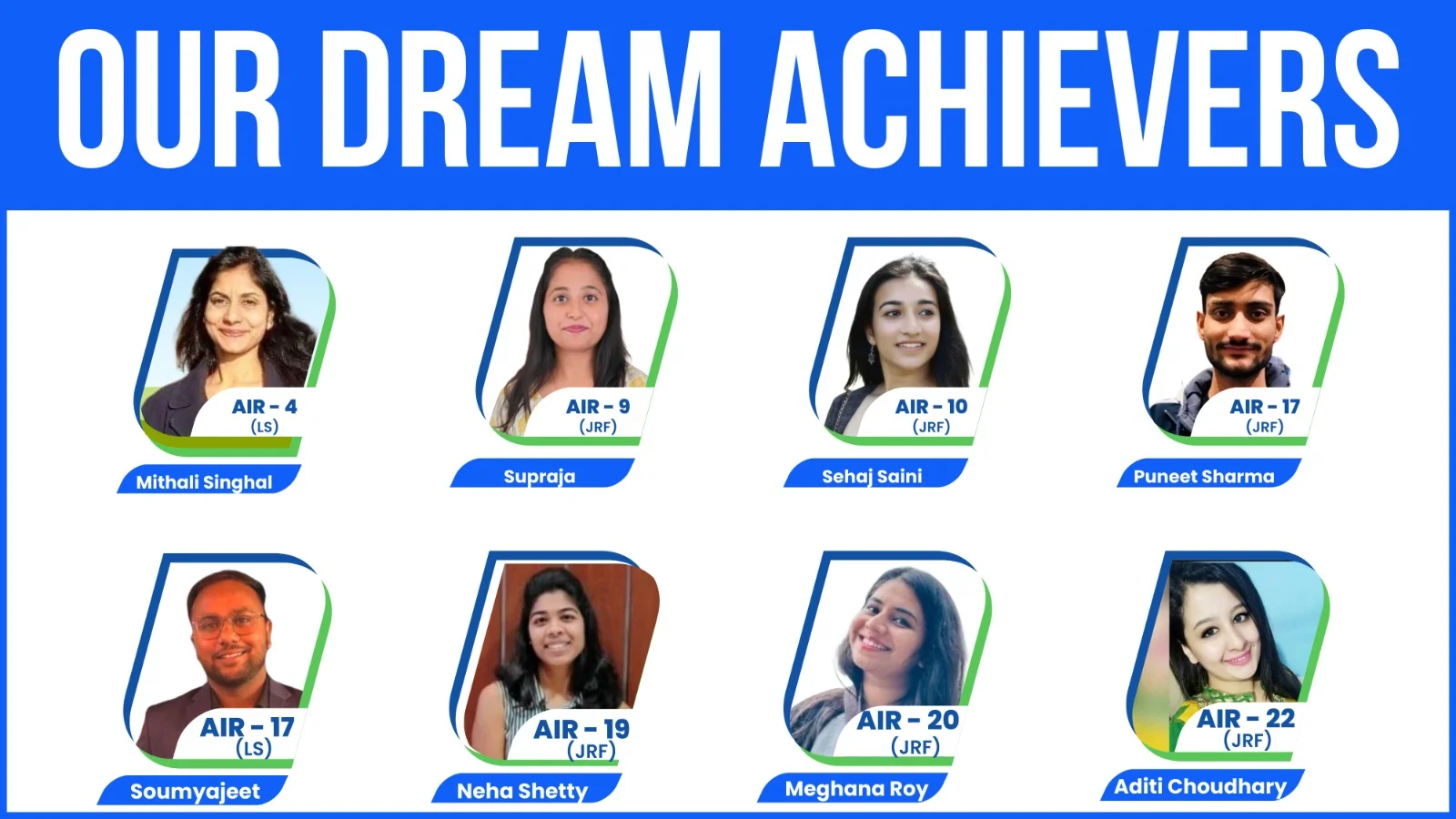
Proven Results Batch after batch, students from Chandu Biology Classes have secured top ranks in APPSC JL Botany, TSPSC, AP SET/SLET, and other life sciences exams. The results speak louder than any advertisement.
Frequently Asked Questions (FAQ) — APPSC JL Botany Paper 2
Q1. How many questions come from Plant Physiology in APPSC JL Paper 2? Typically, 20–24 questions come from Units 4 and 6 combined (Cell Biology + Plant Physiology). This makes them the highest-scoring duo in the paper.
Q2. Is NCERT enough for APPSC JL Botany Paper 2? No. NCERT gives you the foundation, but APPSC JL Paper 2 tests PG-level depth. You need standard references like Pandey & Trivedi (Plant Physiology), Verma & Agarwal (Cell Biology), and B.D. Singh (Genetics) alongside guided notes from a coaching institute like Chandu Biology Classes.
Q3. What is the negative marking in APPSC JL Paper 2? There is 0.33 negative marking for every wrong answer. Attempt questions only when you can eliminate at least two options confidently.
Q4. How long does it take to prepare for APPSC JL Botany Paper 2? A focused preparation of 90–120 days is sufficient if you follow a structured syllabus plan with daily MCQ practice and weekly mock tests. Starting with Chandu Biology Classes can significantly reduce wasted preparation time.
Q5. Can I crack APPSC JL Botany without coaching? You can — but the risk is high. The syllabus is vast, and without exam-specific guidance, most self-studiers spend too much time on low-yield topics and miss critical high-weightage areas. Coaching from experts like Chandu Biology Classes gives you a structured, optimized path.
Q6. Does Chandu Biology Classes offer online coaching for APPSC JL Botany? Yes. Chandu Biology Classes offers full online coaching with live classes, recordings, digital notes, and test series — accessible from anywhere in India.
Q7. Which unit should I start studying first for APPSC JL Paper 2? Start with Cell Biology & Molecular Biology (Unit 4) as it has the highest weightage and forms the conceptual base for other units. Follow it with Plant Physiology (Unit 6) and then Genetics (Unit 5).
🟩 KEY TAKEAWAY (Summary) The APPSC JL Botany Paper 2 syllabus is broad, but it is not unbeatable. Focus on Units 4, 6, and 5 for 45–50 guaranteed marks. Add Ecology (Unit 7) and Cryptogams (Unit 2) for another 25–30 marks. Avoid common mistakes like time mismanagement and blind guessing. And most importantly — get the right guidance. Chandu Biology Classes in Hyderabad has been the go-to coaching institute for serious APPSC JL Botany aspirants across Andhra Pradesh, Telangana, and all of India through their online platform.
📢 Ready to Score 130+ in APPSC JL Botany Paper 2?
Don’t leave your government job dream to chance. Join the Chandu Biology Classes — Hyderabad’s most trusted life sciences coaching institute — and get access to:
✅ APPSC JL Botany Paper 2 complete course ✅ Previous year question banks (2012–2024) ✅ Weekly mock tests with detailed analysis ✅ High-yield revision notes mapped to the official syllabus ✅ Live + recorded online classes — study from anywhere in India ✅ Dedicated doubt-clearing sessions
📲 Book Your FREE Demo Class Today
📞 Call / WhatsApp: [Insert Chandu Biology Classes Contact Number] 🌐 Online Enrollment: [Insert Website/WhatsApp Link] 📍 Offline Coaching: Hyderabad, Telangana
