
If you are preparing for the Graduate Aptitude Test in Biotechnology (GAT-B) 2027, there is one question that every serious aspirant is asking right now: What is going to change? With the Department of Biotechnology (DBT) periodically revising its approach, GAT-B 2027 expected changes in syllabus are already a hot topic among students across India.
At Chandu Biology Classes, Hyderabad’s most trusted life sciences coaching institute, we have been closely tracking every signal, official notification, and pattern shift since the last examination cycle. In this article, we break it all down — what has changed, what is likely to shift further, and how you can prepare smarter, not just harder.
Whether you are a fresh postgraduate or a working professional aiming for DBT-JRF/SRF fellowship, this guide is built for you.
📌 Key Takeaway Box
- GAT-B 2027 is expected to place greater emphasis on application-based and analytical questions.
- Topics like Computational Biology, Bioinformatics, and Synthetic Biology are gaining more weightage.
- The exam will likely move toward a more integrated, cross-disciplinary question structure.
- Classic core subjects — Biochemistry, Molecular Biology, Genetics — remain non-negotiable pillars.
- Coaching with updated material, like that at Chandu Biology Classes, can give you a decisive edge.
What Is GAT-B and Why Does the 2027 Cycle Matter?
GAT-B (Graduate Aptitude Test in Biotechnology) is conducted by the Department of Biotechnology, Government of India, in coordination with JAM organising institutes. It is the gateway to DBT-funded M.Sc. admissions and — more importantly — the prestigious DBT-JRF and DBT-SRF fellowships, which fund doctoral research across premier Indian institutions.
The 2027 cycle matters for a very specific reason: it falls immediately after a complete post-pandemic exam cycle reset. Since 2021, the exam has been recalibrated incrementally. By 2027, most analysts and coaching experts expect a more comprehensive structural revision — not just a cosmetic update.
Understanding these expected changes now, in 2025–26, gives aspirants a 12 to 18-month runway to align their preparation accordingly. That window is your competitive advantage.
A Brief History of GAT-B Pattern Changes
Before predicting what is ahead, it helps to understand where the exam has been.
GAT-B Pattern: Then vs Now
| Year | Total Questions | Duration | Negative Marking | Key Focus |
|---|---|---|---|---|
| 2018–19 | 65 | 3 hours | Yes | Core Biology & Biotechnology |
| 2020–21 | 65 | 3 hours | Yes | Emerging topics added |
| 2022–23 | 65 | 3 hours | Yes | More analytical MCQs |
| 2024–25 | 65 | 3 hours | Yes | Bioinformatics, Data interpretation |
| 2027 (Expected) | 65–70 | 3 hours | Yes (revised) | Integrated, Applied, Computational |
The table above makes one thing clear: the number of questions has remained relatively stable, but the nature and depth of those questions has steadily evolved. The 2027 revision is expected to accelerate that evolution.
GAT-B 2027 Expected Changes in Syllabus — A Detailed Breakdown
This is the section most aspirants are here for. Let us go unit by unit.
1. Biochemistry and Molecular Biology — Deeper, Not Broader
Biochemistry and Molecular Biology have always been the backbone of GAT-B. In 2027, the expectation is not that more topics will be added — but that existing topics will be tested at a higher depth of understanding.
Expect questions on:
- Enzyme kinetics with non-standard inhibitors (multi-substrate systems)
- Post-translational modification cascades and their clinical relevance
- Epigenetics — histone code, DNA methylation patterns, chromatin remodeling
- Non-coding RNA biology — lncRNA, miRNA, piRNA functions
The shift is from “what is” to “what happens when” — mechanistic thinking over rote recall. This is a fundamental change in how students must approach this subject.
2. Cell Biology and Genetics — Systems-Level Thinking
Cell Biology questions in GAT-B 2026 already began incorporating pathway integration — asking students to connect receptor signaling all the way to gene expression output. In 2027, this is expected to become even more pronounced.
Key areas to watch:
- Cell cycle checkpoints and cancer biology (applied questions)
- CRISPR-Cas9 mechanism and variants (BE, PE — base and prime editing)
- Genetics of complex diseases — polygenic risk scores, GWAS interpretation
- Population genetics — Hardy-Weinberg deviations and evolutionary pressure
Chandu Biology Classes has already incorporated these updated modules into its GAT-B 2027 batch curriculum, ensuring students are not caught off-guard by applied genetics questions.
3. Bioinformatics and Computational Biology — The Fastest Growing Section
This is where the most significant syllabus expansion is anticipated. Over the last three examination cycles, Bioinformatics has gone from a peripheral topic to a core segment with dedicated questions.
Expected topics for GAT-B 2027:
- Sequence alignment algorithms — BLAST, CLUSTAL, scoring matrices (PAM, BLOSUM)
- Phylogenetic tree construction — NJ, UPGMA, Maximum Likelihood methods
- Structural bioinformatics — Protein structure prediction, Ramachandran plots, AlphaFold relevance
- Databases — NCBI, UniProt, PDB, Ensembl — functional navigation
- Python/R for biology — basic data manipulation concepts (conceptual, not coding)
- NGS data analysis — read mapping, variant calling at a conceptual level
If Bioinformatics has been your weak spot, 2027 is the year that gap becomes costly. At Chandu Biology Classes, we have dedicated bioinformatics sessions as part of our GAT-B crash course and year-long batch programs.
4. Immunology — From Basics to Immunotherapy
Immunology has traditionally been a moderate-weight section in GAT-B. For 2027, the expectation is that it will expand, particularly into modern immunological applications.
Topics likely to gain prominence:
- CAR-T cell therapy — mechanism, clinical trial context
- Immune checkpoint inhibitors — PD-1/PD-L1, CTLA-4 pathways
- Vaccines and adjuvant biology — mRNA vaccine mechanism (post-COVID era relevance)
- Autoimmunity and tolerance mechanisms
- Innate immune sensing — TLRs, NLRs, cGAS-STING pathway
The immunology questions in 2027 will likely bridge basic science with real-world therapeutic applications — a trend that mirrors global biomedical education standards.
5. Microbiology and Virology — Applied Emphasis
Post-pandemic, microbiology and virology have received renewed attention in life sciences curricula globally. GAT-B is not immune to this shift.
Watch for:
- Viral replication strategies and host-pathogen interaction
- Antimicrobial resistance (AMR) — mechanisms, ESKAPE pathogens
- Microbial genomics and metagenomics concepts
- One Health framework — zoonotic diseases, ecological microbiology
6. Biotechnology Applications — Industrial and Agricultural
This section covers areas like fermentation technology, downstream processing, plant biotechnology, and transgenic organisms. In 2027, expect:
- More questions on bioprocess optimization (fed-batch, continuous culture)
- Genome editing in crop improvement — Bt crops, genome editing regulation
- Biosimilars and biopharmaceuticals — regulatory pathways (CDSCO context)
- Synthetic biology — genetic circuits, metabolic engineering basics
7. Ecology and Evolution — An Often-Underestimated Section
Students often ignore this section, which is a mistake. GAT-B 2027 is expected to maintain or slightly increase questions here, particularly on:
- Species interactions and food web dynamics
- Evolutionary mechanisms — natural selection types, genetic drift, gene flow
- Conservation biology — hotspots, IUCN categories
- Climate change impacts on biodiversity
Expected Changes in GAT-B 2027 Exam Pattern
Beyond syllabus, the exam pattern itself is expected to see meaningful updates. Here is what educators and analysts, including the faculty at Chandu Biology Classes, are anticipating:
Increased Weightage of Application-Based Questions
The ratio of pure recall vs. application questions is expected to shift from roughly 60:40 to closer to 45:55. This means more than half the paper will require you to apply knowledge, not just remember it.
Introduction of Scenario-Based MCQs
Expect 8–12 questions that present a short experimental scenario and then ask 2–3 questions based on that scenario. This tests integrated thinking — a skill that cannot be developed by reading alone.
Possible Addition of Research Aptitude Questions
There are credible signals that a small section on research methodology and scientific reasoning may be formally introduced or expanded. This would include:
- Experimental design interpretation
- Statistical result reading (p-values, confidence intervals)
- Identifying flaws in experimental logic
Negative Marking — Revised Scheme?
Currently, GAT-B uses a ⅓ negative marking scheme for incorrect answers. For 2027, there is a possibility of this being revised to ¼ negative marking to align with JEE/NEET-style standards, which would change risk-reward calculations during the exam significantly.
How to Prepare for GAT-B 2027 Given These Expected Changes
Knowing what is expected to change is only half the battle. Here is a structured preparation roadmap:
Phase 1: Foundation Building (Now to December 2025)
- Strengthen core subjects: Biochemistry, Molecular Biology, Genetics, Cell Biology
- Build Bioinformatics basics from scratch — databases, alignment, phylogenetics
- Practice 20 MCQs daily from previous years
Phase 2: Advanced Application (January to June 2026)
- Focus on interdisciplinary topics — Immunotherapy, Synthetic Biology, Computational methods
- Solve scenario-based practice sets
- Attempt at least 2 full mock tests per month
Phase 3: Revision and Mock Test Intensive (July to October 2026)
- Weekly full-length mock tests under timed conditions
- Section-wise weakness analysis and targeted revision
- Current affairs in biotechnology — recent breakthroughs, DBT announcements
Why Chandu Biology Classes Is the Right Choice for GAT-B 2027
Chandu Biology Classes, based in Hyderabad, is one of India’s most respected coaching institutes for life sciences competitive examinations — including GAT-B, CSIR-NET, GATE Life Sciences, ICMR, and DBT-JRF.
What Makes Chandu Biology Classes Different?
Expert Faculty with Research Backgrounds The teaching team comprises faculty members with hands-on research experience in molecular biology, bioinformatics, and biotechnology — not just classroom knowledge.
Updated Curriculum for 2027 Unlike institutes recycling 3-year-old content, Chandu Biology Classes has already revised its GAT-B module to include emerging topics like Synthetic Biology, AI in biology, and updated Immunotherapy content.
Both Offline (Hyderabad) and Online Modes Whether you are in Hyderabad, Telangana, or anywhere in India, you can access world-class coaching. Live online classes, recorded sessions, and doubt-clearing sessions are all part of the package.
Comprehensive Study Material Custom-built notes, topic-wise question banks, previous year papers with detailed solutions, and regularly updated mock tests — everything in one place.
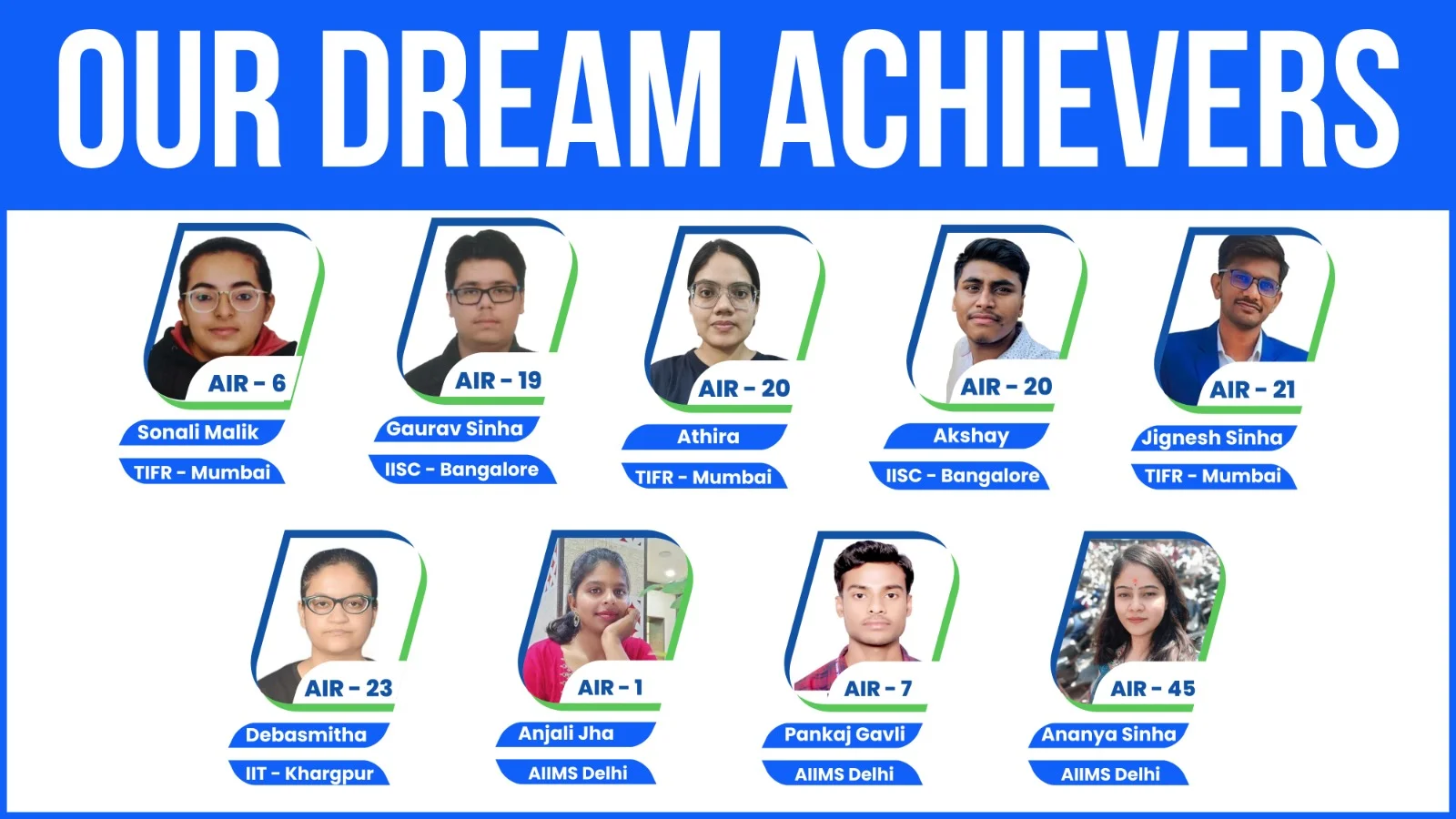
Proven Results Students from Chandu Biology Classes have consistently cleared GAT-B, CSIR-NET, and GATE Life Sciences, securing admissions and fellowships at IISc, CCMB, NCBS, BITS, and other premier institutions.
GAT-B 2027 — Frequently Asked Questions (FAQ)
Q1. When will GAT-B 2027 official notification be released? The official notification is typically released by November–December 2026 for a January–February 2027 examination date. Keep checking the official DBT website and JAM portal.
Q2. Will the total marks or duration change in GAT-B 2027? No official announcement has been made yet, but most indications suggest the 3-hour, 65-question format will be retained, with changes in question type rather than structure.
Q3. Is Bioinformatics compulsory in GAT-B 2027? Yes. Bioinformatics is already a part of the GAT-B syllabus and its weightage is expected to increase in 2027. Ignoring it is not advisable.
Q4. Can I crack GAT-B 2027 with self-study alone? It is possible, but increasingly difficult as the exam becomes more application-oriented. Structured coaching with regularly updated material — like what Chandu Biology Classes offers — significantly improves your chances.
Q5. Does Chandu Biology Classes offer online coaching for students outside Hyderabad? Yes. Chandu Biology Classes offers full online coaching with live classes, recorded content, and personal doubt sessions — accessible from anywhere in India.
Q6. How many hours per day should I study for GAT-B 2027? For serious aspirants, 5–7 hours of focused study daily over 12–15 months is recommended. Quality and consistency matter more than raw hours.
Q7. Will there be any new subjects added to GAT-B 2027? No entirely new subjects are expected, but Synthetic Biology and Computational Biology topics are anticipated to be formally included within existing sections.
Final Thoughts — Start Early, Stay Specific
The GAT-B 2027 expected changes in syllabus point to one clear direction: the exam is evolving toward higher-order thinking, applied science, and interdisciplinary integration. Aspirants who continue preparing with 2020-era strategies will find themselves at a significant disadvantage.
The good news is that if you begin aligning your preparation with these expected changes right now, you have more than enough time to build the depth and agility this exam will demand.
Chandu Biology Classes is already one step ahead — with updated curriculum, expert faculty, and a track record of producing successful GAT-B, CSIR-NET, and GATE Life Sciences candidates from Hyderabad and across India.
📌 Key Takeaway (Summary)
- GAT-B 2027 will test application and integration, not just recall.
- Bioinformatics, Immunotherapy, and Synthetic Biology are the fastest-growing sections.
- Scenario-based MCQs and research aptitude questions are likely additions.
- Begin structured preparation now — ideally with expert guidance.
- Chandu Biology Classes (Hyderabad + Online) offers the most updated GAT-B 2027 coaching in India.
🚀 Ready to Start Your GAT-B 2027 Preparation?
Join thousands of successful life sciences students who have trusted Chandu Biology Classes for results that matter.
📍 Offline Centre: Hyderabad, Telangana 💻 Online: Live Classes for All-India Students 📞 Call / WhatsApp: [Contact Chandu Biology Classes to Book Your Demo Class]
👉 Book Your FREE Demo Class Today — Limited Seats Available
DM us on WhatsApp or call us directly to get your personalised GAT-B 2027 study plan — curated by expert faculty who know exactly what the exam demands.
