
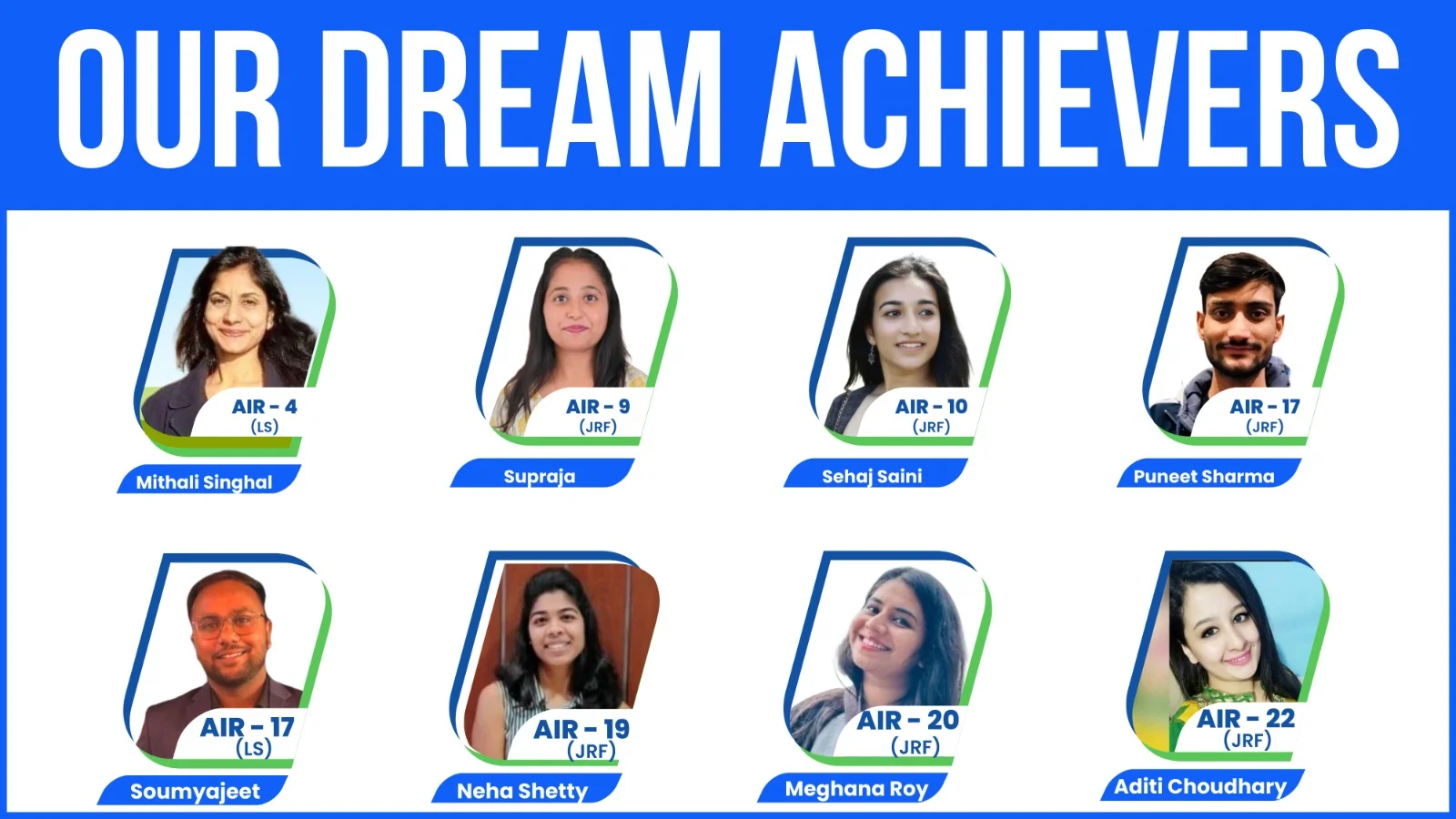
If you are an M.Sc. Botany graduate from Telangana with the ambition of securing a government teaching position, then the TGPSC JL Botany exam — conducted by the Telangana State Public Service Commission for recruitment of Junior Lecturers under the Commissioner of Intermediate Education — is one of the most important opportunities available to you.
Every cycle of this recruitment sees thousands of Botany postgraduates competing for a limited number of government Junior Lecturer seats. The difference between those who clear this exam and those who do not is rarely about intelligence or knowledge — it is almost always about preparation strategy, syllabus clarity, and consistency.
At Chandu Biology Classes, we believe that every deserving candidate should have access to the clearest, most complete, and most exam-relevant information available. That is why we are publishing this article — giving you the complete, official, topic-wise TGPSC JL Botany syllabus in one place, laid out in the exact detail you need to plan and execute a winning preparation strategy.
This is the same syllabus we teach at Chandu Biology Classes. Study it carefully. It is your roadmap to success.
What is TGPSC JL Botany? — The Opportunity Explained
TGPSC stands for Telangana State Public Service Commission and JL stands for Junior Lecturer — a government teaching post in Government Junior Colleges (Intermediate Colleges) across Telangana, under the administrative control of the Commissioner of Intermediate Education, Telangana.
This is different from the DL (Degree Lecturer) post, which is for Government Degree Colleges. The JL post places you in the Intermediate education system — teaching students in Class 11 and Class 12 — and is one of the most stable and respected government teaching positions in the state.
Pay Scale
The official pay scale for TGPSC Junior Lecturer is ₹54,220 – ₹1,33,630 per month — a highly competitive government salary that comes with all standard government benefits including pension, medical allowance, house rent allowance, and long-term career progression.
Vacancies for JL Botany
As per the most recent official notification (Notification No. 22/2022), a total of 113 vacancies were notified for Junior Lecturer Botany — 55 in Multi Zone-I and 58 in Multi Zone-II. Additionally, 15 vacancies were notified for Junior Lecturer Botany (Urdu Medium). Vacancy numbers may vary in future notifications.
Eligibility
- Educational Qualification: Second Class Post Graduate Degree (M.Sc. Botany) from a recognized university with a minimum of 50% marks, OR equivalent B.Sc. (Hons) qualification
- Age Limit: Minimum 18 years, Maximum 44 years (as per the last notification, age reckoned as on 01/07/2022)
- Age Relaxations: SC/ST/BC/EWS — 5 years; Physically Handicapped — 10 years; State Government Employees — up to 5 years; Ex-Servicemen — 3 years plus length of service
- Degrees obtained through distance/open universities must carry recognition from UGC/AICTE/DEB
TGPSC JL Botany Exam Pattern — Understand It Completely
A thorough understanding of the exam structure is the starting point of any successful preparation plan.
| Paper | Subject | No. of Questions | Duration | Maximum Marks |
|---|---|---|---|---|
| Paper I | General Studies & General Abilities | 150 | 150 Minutes | 150 |
| Paper II | Botany — P.G. Level | 150 | 150 Minutes | 300 |
| Total | 300 | 300 Minutes | 450 Marks |
Key Points Every Aspirant Must Know:
- The exam is Objective Type (MCQs) — conducted as either CBRT (Computer Based Recruitment Test) or OMR-based offline examination
- Paper I is Bilingual — English and Telugu
- Paper II (Botany) is in English only
- Appearing in both papers is compulsory — absence in any paper leads to automatic disqualification
- Qualifying marks: OC/EWS/Sports — 40% | BC — 35% | SC/ST/PH — 30%
- Each question in Paper II carries 2 marks (150 questions × 2 = 300 marks)
The most critical insight from the exam pattern: Paper II (Botany) alone carries 300 out of 450 total marks — 66.6% of your total score. Your mastery of the Botany syllabus is the single biggest determinant of your final rank and selection.
TGPSC JL Botany Syllabus — Paper I: General Studies & General Abilities
Paper I is common across all subjects in the JL recruitment. It tests your general awareness, analytical reasoning, and basic English. The official syllabus for Paper I includes:
- Current Affairs — Regional, National, and International
- International Relations and Events
- General Science; India’s Achievements in Science and Technology
- Environmental Issues; Disaster Management — Prevention and Mitigation Strategies
- Economic and Social Development of India and Telangana
- Physical, Social and Economic Geography of India
- Physical, Social and Economic Geography and Demography of Telangana
- Socio-economic, Political and Cultural History of Modern India with special emphasis on Indian National Movement
- Socio-economic, Political and Cultural History of Telangana with special emphasis on Telangana Statehood Movement and formation of Telangana State
- Indian Constitution; Indian Political System; Governance and Public Policy
- Social Exclusion; Rights Issues such as Gender, Caste, Tribe, Disability etc. and Inclusive Policies
- Society, Culture, Heritage, Arts and Literature of Telangana
- Policies of Telangana State
- Logical Reasoning; Analytical Ability and Data Interpretation
- Basic English (10th Class Standard)
At Chandu Biology Classes, we ensure Paper I is never neglected. Our coaching program includes a dedicated General Studies module that covers all 15 topics systematically, helping students score consistently in Paper I without sacrificing time from their Botany preparation.
TGPSC JL Botany Syllabus — Paper II: Botany (P.G. Level) — Complete & Detailed Breakdown
This is the most critical section of this article. The official TGPSC JL Botany Paper II syllabus is divided into 10 major units, covering Botany at the full postgraduate level. Below is the complete, detailed, sub-topic-wise breakdown of every unit — exactly as per the official notification and exactly as it is taught at Chandu Biology Classes.
UNIT I: Phycology, Mycology, Bacteria and Viruses
This foundational unit covers the lower plant forms and microbiology. It is consistently tested in the exam and rewards students who invest time in it early.
Phycology (Algology — Study of Algae):
- Thallus organization in algae — levels from unicellular to complex thalloid
- Cell ultrastructure in algae — chloroplast types, pyrenoids, flagella
- Reproduction in algae — vegetative, asexual, and sexual modes
- Criteria for classification of algae: pigments, reserve food materials, flagella
- Classification and salient features of the following divisions:
- Chlorophyta (Green algae) — Chlamydomonas, Volvox, Spirogyra, Ulva
- Charophyta (Stoneworts) — Chara, Nitella
- Xanthophyta (Yellow-green algae)
- Bacillariophyta (Diatoms) — structure, frustule, economic importance
- Phaeophyta (Brown algae) — Ectocarpus, Fucus, Laminaria
- Rhodophyta (Red algae) — Polysiphonia, Batrachospermum
- Algal blooms — causes, effects, and toxic algae
- Algal biofertilizers — Anabaena, Nostoc, Azolla
- Algae as food and feed — Chlorella, Spirulina
- Role of algae in industry — agar, carrageenan, alginates
Mycology (Study of Fungi):
- General characters of fungi — heterotrophic nutrition, cell wall with chitin
- Substrate relationships in fungi — saprophytic, parasitic, symbiotic
- Cell ultrastructure; unicellular (yeasts) and multicellular (mycelial) organization
- Cell wall composition — chitin, glucans
- Modes of nutrition: saprobic, biotropic, and symbiotic
- Reproduction — vegetative, asexual, and sexual modes
- Heterothallism; heterokaryosis; parasexuality
- Molecular aspects in fungal classification
- General account of the five subdivisions:
- Mastigomycotina — Phytophthora, Pythium
- Zygomycotina — Rhizopus, Mucor
- Ascomycotina — Aspergillus, Penicillium, Saccharomyces, Neurospora
- Basidiomycotina — Agaricus, Puccinia, Ustilago
- Deuteromycotina (Fungi Imperfecti)
- Fungi in industry — fermentation, antibiotics, organic acids
- Fungi in medicine — Penicillin, Griseofulvin
- Fungi as food — edible mushrooms
- Fungal diseases in plants — rusts, smuts, blights, wilts
- Fungal diseases in humans — Candidiasis, Aspergillosis, Ringworm
- Mycorrhizae — ectomycorrhizae and endomycorrhizae; importance
- Fungi as biocontrol agents — Trichoderma
Bacteria:
- Ultrastructure and biochemistry of bacterial cell wall — gram positive vs gram negative
- Nutritional types — autotrophic and heterotrophic bacteria
- Reproduction in bacteria — binary fission, sporulation
- Plasmids — types and significance in biotechnology
Viruses:
- Characters and ultrastructure of virions — TMV, bacteriophage
- Symptomatology and transmission of plant viruses
- Mollicutes — general characters of spiroplasmas and phytoplasmas
- Importance of microorganisms in medicine, agriculture, and environment
UNIT II: Bryophyta, Pteridophyta and Gymnosperms
This unit traces the evolutionary journey from non-vascular land plants to seed plants.
Bryophyta:
- Morphology, structure, reproduction, and life history of bryophytes
- Distribution across habitats
- Classification and study of:
- Marchantiales — Marchantia (thallus structure, rhizoids, gemma cups, sex organs)
- Jungermaniales — leafy liverworts
- Anthoceratales — Anthoceros (unique features — pyrenoids, stomata on sporophyte)
- Sphagnales — Sphagnum (peat moss, economic importance)
- Funariales — Funaria (typical moss life cycle)
- Polytricales — Polytrichum (most complex moss)
- Economic and ecological importance of bryophytes
Pteridophyta:
- Morphology, anatomy, and reproduction
- Classification into four classes:
- Psilopsida — Psilotum (most primitive living vascular plant)
- Lycopsida — Selaginella, Lycopodium
- Sphenopsida — Equisetum (horsetails)
- Pteropsida — Dryopteris, Pteris (true ferns)
- Evolution of stele — protostele to siphonostele to dictyostele
- Heterospory and origin of seed habit — megaspores, microspores
- General account of fossil pteridophytes — Rhynia, Lepidodendron, Calamites
Gymnosperms:
- Introduction and classification of gymnosperms
- Structure and reproduction of the following orders:
- Cycadales — Cycas (living fossil, male and female cones, coralloid roots)
- Ginkgoales — Ginkgo biloba (only living species, medicinal importance)
- Coniferales — Pinus (detailed structure — male cone, female cone, seed development)
- Ephedrales — Ephedra (ephedrine alkaloid)
- Welwitschiales — Welwitschia
- Gnetales — Gnetum
UNIT III: Taxonomy of Angiosperms
Taxonomy is a scoring unit that rewards students who learn systematically and methodically.
Species Concept and Taxonomic Hierarchy:
- The species concept — biological, morphological, and phylogenetic species concepts
- Taxonomic hierarchy — species, genus, family, order, class, division
- Principles used in assessing relationships and delimitation of taxa
- Attribution of rank — monotypic and polytypic genera
International Code of Botanical Nomenclature (ICBN/ICN):
- Salient features — priority, typification, valid publication, effective publication
- Author citation; nomenclatural types; synonyms and homonyms
Taxonomic Tools:
- Herbarium — preparation, maintenance, and importance; major herbaria in India
- Floras — keys and their types (dichotomous keys)
- Histological, cytological, phytochemical, serological, biochemical, and molecular techniques in taxonomy
- Computers and GIS (Geographic Information Systems) in plant taxonomy
Systems of Angiosperm Classification:
- Phenetic systems — classification based on overall similarity
- Phylogenetic systems — classification based on evolutionary relationships
- Cladistics in taxonomy — cladograms and synapomorphies
- Relative merits and demerits of major classification systems:
- Bentham and Hooker (1862-1883)
- Engler and Prantl (1887-1915)
- Hutchinson (1926, 1934)
- Takhtajan and Cronquist (modern phylogenetic systems)
Families — Detailed Study: The following families must be studied in complete detail — including floral formula, floral diagram, key distinguishing characters, economic importance, and representative examples:
- Magnoliaceae — Magnolia, Michelia; primitive dicot features
- Malvaceae — Hibiscus, Gossypium (cotton); epicalyx, monadelphous stamens
- Rutaceae — Citrus; essential oil glands, hesperidium fruit
- Apocynaceae — Nerium, Catharanthus; latex, alkaloids
- Asclepiadaceae — Calotropis; gynostegium, pollinia
- Lamiaceae — Ocimum (Tulsi), Mentha; bilabiate corolla, square stem
- Amaranthaceae — Amaranthus, Celosia; scarious bracts
- Poaceae — Rice, Wheat, Maize; lodicules, caryopsis fruit, ligule
These eight families are high-priority examination topics at Chandu Biology Classes. We teach each family with model questions drawn from previous papers.
UNIT IV: Plant Anatomy and Embryology
This unit requires both conceptual understanding and visual learning ability.
Shoot Development:
- Organization of the Shoot Apical Meristem (SAM) — tunica-corpus theory, cytohistological zonation
- Control of cell division and cell-to-cell communication — plasmodesmata, symplast
- Control of tissue differentiation — especially xylem and phloem differentiation
- Secretory ducts — schizogenous, lysigenous, and schizo-lysigenous
- Laticifers — articulated and non-articulated, latex composition
- Phyllotaxy and leaf differentiation — alternate, opposite, whorled arrangements
Root Development:
- Organization of the Root Apical Meristem (RAM) — quiescent centre, initials
- Vascular tissue differentiation in roots
- Homeotic mutants in Arabidopsis and Antirrhinum — significance in developmental genetics
Male Gametophyte:
- Structure of anthers — wall layers (epidermis, endothecium, middle layers, tapetum)
- Microsporogenesis — meiosis in pollen mother cells
- Role of tapetum — nutritive and secretory functions
- Pollen development and gene expression
- Male sterility — cytoplasmic male sterility (CMS) and nuclear male sterility
- Sperm dimorphism and hybrid seed production
- Pollen germination and pollen tube growth — chemotropism
- Pollen storage; pollen allergy; pollen embryos
Female Gametophyte:
- Ovule development — funicle, integuments, nucellus, chalaza, micropyle
- Megasporogenesis — linear and T-shaped tetrad of megaspores
- Organization of the embryo sac — Polygonum type (7-celled, 8-nucleate)
- Structure of embryo sac cells — egg cell, synergids, central cell, antipodals
Pollination, Pollen–Pistil Interaction and Fertilization:
- Floral characteristics related to pollination syndromes
- Pollination mechanisms — autogamy, geitonogamy, xenogamy
- Pollination vectors — wind (anemophily), water (hydrophily), insects (entomophily), birds (ornithophily), bats (chiropterophily)
- Self-incompatibility — sporophytic and gametophytic types; S-locus genetics
- Double fertilization — syngamy and triple fusion; significance
Seed Development and Fruit Growth:
- Endosperm development — nuclear, cellular, and helobial types
- Early, maturation, and desiccation stages of endosperm
- Embryogenesis — pro-embryo, globular, heart, torpedo, and mature embryo stages
- Cell lineages during late embryo development
- Storage proteins of endosperm and embryo — glutelins, prolamins, albumins
- Polyembryony — simple and cleavage polyembryony; examples
- Apomixis — types (agamospermy, vegetative apomixis) and agricultural significance
- Embryo culture — applications in hybrid seed production
- Fruit maturation — climacteric and non-climacteric fruits; ethylene role
Dormancy:
- Seed dormancy — causes: hard seed coat, chemical inhibitors, immature embryo
- Methods of overcoming seed dormancy — scarification, stratification, gibberellin treatment
- Bud dormancy — photoperiod and temperature effects
UNIT V: Plant Resource Utilisation and Conservation
A highly application-oriented unit that connects Botany to real-world and environmental contexts.
Economic Botany:
- Origin, evolution, botany, cultivation, and uses of:
- Food, forage, and fodder crops — Rice (Oryza sativa), Wheat (Triticum aestivum), Maize (Zea mays), Sorghum, Sugarcane
- Fibre crops — Cotton (Gossypium), Jute (Corchorus), Hemp (Cannabis)
- Medicinal and aromatic plants — Neem, Tulsi, Turmeric, Sandalwood
- Vegetable oil-yielding crops — Groundnut, Sunflower, Sesame, Coconut
- Ethnobotany — scope, objectives, and significance; documentation of tribal plant knowledge
Forest Products:
- Important firewood and timber-yielding plants — Teak, Sal, Sandalwood, Rosewood
- Non-Wood Forest Products (NWFPs):
- Bamboos and rattans
- Raw materials for paper-making — Bamboo, Eucalyptus
- Gums — Gum Arabic (Acacia senegal)
- Tannins — Myrobalan (Terminalia)
- Dyes — Indigo (Indigofera), Henna (Lawsonia)
- Resins — Turpentine, Copal
- Fruits of commercial importance
Role of Plants in Medicine: Morphology, active principles, and medicinal value of:
- Andrographis paniculata (Kalmegh) — andrographolide; liver protective
- Asparagus racemosus (Shatavari) — saponins; adaptogenic properties
- Phyllanthus niruri (Bhuiamla) — phyllanthin; hepatoprotective
- Gymnema sylvestre (Gurmar) — gymnemic acids; anti-diabetic
In Situ Conservation Strategies:
- International efforts — CBD (Convention on Biological Diversity), CITES, Ramsar Convention
- Indian initiatives — Wildlife Protection Act 1972, Forest Conservation Act 1980
- Protected areas in India:
- Wildlife Sanctuaries
- National Parks
- Biosphere Reserves — UNESCO MAB Programme
- Wetlands — Ramsar sites in India
- Mangroves — Sundarbans, Bhitarkanika
- Coral reefs — Lakshadweep, Gulf of Mannar
Ex Situ Conservation Strategies:
- Principles and practices of ex situ conservation
- Botanical gardens — Kew Gardens, National Botanical Research Institute (Lucknow), Lalbagh (Bengaluru)
- Field gene banks; seed banks — National Gene Bank, NBPGR
- In vitro repositories — tissue culture collections
- Cryobanks — storage at -196°C in liquid nitrogen
- Activities of key organizations:
- BSI (Botanical Survey of India)
- NBPGR (National Bureau of Plant Genetic Resources)
- ICAR (Indian Council of Agricultural Research)
- CSIR (Council of Scientific and Industrial Research)
- DBT (Department of Biotechnology)
UNIT VI: Plant Ecology
Plant Ecology is a vast, interconnected unit that requires both theoretical depth and current environmental awareness.
Climate, Soil and Vegetation Patterns:
- Life zones — Holdridge life zone system
- Major biomes — tropical rainforest, deciduous forest, grassland, desert, tundra, taiga
- Major vegetation and soil types of the world
Vegetation Organization:
- Concepts of plant community — association, consociation, society
- Analytical characters — frequency, density, abundance, cover, basal area, IVI
- Synthetic characters — presence, constancy, fidelity
Population Ecology:
- Population characters — natality, mortality, age distribution, growth forms
- Positive interactions of species — mutualism, protocooperation, commensalism
- Negative interactions — competition, predation, parasitism, amensalism
Ecological Succession:
- Types — primary and secondary succession; hydrosere and xerosere
- Seral stages and changes in succession
- Concept of climax — monoclimax vs polyclimax theory
Abiotic and Biotic Interactions:
- Habitat and ecological niche — fundamental and realized niche
- Allopatric and sympatric speciation
Ecosystem Organization:
- Structure and functions of ecosystems
- Primary production — gross and net primary production; methods of measurement
- Energy dynamics — trophic organization, Lindeman’s efficiency, ecological efficiencies
- Food chains — grazing food chain, detritus food chain
- Food webs — stability and complexity
- Ecological pyramids — number, biomass, energy pyramids
- Global biogeochemical cycles:
- Carbon cycle — photosynthesis, respiration, decomposition, fossil fuel burning
- Nitrogen cycle — nitrogen fixation, ammonification, nitrification, denitrification
- Cycles in both terrestrial and aquatic ecosystems
Biological Diversity:
- Concept and levels — genetic, species, and ecosystem diversity
- Speciation and extinction — natural vs anthropogenic
- IUCN categories of threat — EX, EW, CR, EN, VU, NT, LC
- Distribution and global patterns of biodiversity
- Hot spots — definition and global hot spots; India’s hot spots (Western Ghats, Eastern Himalayas, Indo-Burma, Sundaland)
- Endemism and inventory
Pollution:
- Air pollution — kinds, sources (SO₂, NOₓ, CO, particulates), effects on plants
- Water pollution — BOD, eutrophication, effects on aquatic ecosystems
- Soil pollution — pesticides, heavy metals, effects on plant growth and soil biota
Climate Change:
- Greenhouse gases — CO₂, CH₄, N₂O, CFCs: sources, trends, and role in warming
- Ozone layer — structure and function; ozone depletion by CFCs and halocarbons
- Consequences of climate change — CO₂ fertilization effect, global warming, sea level rise, increased UV radiation and its effects on plants
Biogeographical Zones of India:
- Major biogeographical zones — Trans-Himalayan, Himalayan, Desert, Semi-arid, Western Ghats, Deccan Peninsula, Gangetic Plain, Coasts, Islands, Northeast India
- Flora of Telangana — vegetational types: tropical dry deciduous, tropical moist deciduous, thorny scrub forest, riparian vegetation
UNIT VII: Cell Biology
Cell Biology is one of the most conceptually important units and is tested extensively in objective questions.
Ultrastructure and Functions of Cell Organelles:
- Cell wall — primary and secondary wall; middle lamella; plasmodesmata
- Plasma membrane — fluid mosaic model; membrane proteins (integral, peripheral); membrane fluidity
- Plasmodesmata — structure, types, and role in symplastic transport
- Chloroplast — double membrane; grana, stroma; thylakoid; chloroplast DNA; semi-autonomy
- Mitochondria — double membrane; cristae; matrix; oxidative phosphorylation; mitochondrial DNA
- Plant Vacuoles — tonoplast; functions (storage, turgor, digestion)
- Nucleus — nuclear envelope with pores; nucleoplasm; chromatin; nucleolus
- Ribosomes — 70S (prokaryotes) and 80S (eukaryotes); polyribosomes
Cell Cycle and Apoptosis:
- Cell cycle phases — G1, S, G2, M; significance of each phase
- Control mechanisms — restriction point; checkpoints (G1/S, G2/M, spindle assembly)
- Role of cyclins and cyclin-dependent kinases (CDKs)
- Retinoblastoma protein (Rb) and E2F transcription factors
- Cytokinesis and cell plate formation — phragmoplast and cell plate
- Mechanisms of programmed cell death (apoptosis) — intrinsic and extrinsic pathways
- Mitosis — stages and significance in growth and repair
- Meiosis — stages (meiosis I and II) and significance in sexual reproduction and variation
Other Cellular Organelles:
- Microbodies — peroxisomes (photorespiration), glyoxysomes (fatty acid oxidation)
- Golgi apparatus — structure (cisternae, vesicles, tubules); functions in glycosylation and secretion
- Lysosomes — structure and hydrolytic functions; role in autophagy
- Endoplasmic reticulum — rough ER (protein synthesis) and smooth ER (lipid synthesis); ER lumen
UNIT VIII: Cytogenetics
Cytogenetics combines the structural biology of chromosomes with classical and molecular genetics.
Chromatin Organization:
- Chromosome structure — nucleosome model; histone and non-histone proteins
- Packaging of DNA — nucleosome → 30 nm fibre → loop domains → metaphase chromosome
- Molecular organization of centromere — CEN sequences; kinetochore structure
- Molecular organization of telomere — TTAGGG repeats; telomerase enzyme
- Nucleolus and ribosomal RNA genes — NOR (Nucleolus Organizer Region)
- Euchromatin and heterochromatin — constitutive vs facultative heterochromatin
- Karyotype analysis — preparation and interpretation; idiogram
- Banding patterns — G-banding, C-banding, Q-banding; chromosomal identification
- Specialized chromosomes:
- Polytene chromosomes — puffing pattern and gene expression
- Lampbrush chromosomes — loops and transcriptional activity in oocytes
- B-chromosomes — supernumerary chromosomes
- Sex chromosomes — XX/XY, XX/XO, ZZ/ZW determination systems
- Molecular basis of chromosome pairing — synaptonemal complex; ZYP1, ZYP2 proteins
Structural and Numerical Alterations in Chromosomes:
- Structural alterations — Duplication, Deficiency (Deletion), Inversion (paracentric vs pericentric), Translocation (reciprocal, Robertsonian)
- Numerical alterations — Autopolyploids (colchicine-induced); Allopolyploids (amphidiploidy)
- Evolution of major crop plants through polyploidy — Bread wheat (Triticum aestivum, hexaploid), Cotton (Gossypium hirsutum, tetraploid)
Genetics of Prokaryotes and Eukaryotic Organelles:
- Genetic recombination in bacteriophage — lytic and lysogenic cycles
- Genetic transformation in bacteria — Griffith’s experiment; competence
- Conjugation in bacteria — F factor, Hfr strains, F’ (sexduction)
- Transduction — generalized and specialized transduction
- Genetics of mitochondria — maternal inheritance, petite mutations in yeast
- Genetics of chloroplasts — variegation in Mirabilis jalapa; chloroplast genome
- Cytoplasmic male sterility — T-cytoplasm in maize; restoration genes
Gene Structure and Expression:
- Genetic fine structure — Benzer’s rII system in T4 phage; cis-trans complementation test
- Introns and their significance — Group I, Group II, nuclear introns
- RNA splicing — spliceosome mechanism; alternative splicing
- Regulation of gene expression in prokaryotes — lac operon (inducible) and trp operon (repressible)
- Regulation of gene expression in eukaryotes — chromatin remodeling, transcription factors, enhancers, silencers
Mutations:
- Spontaneous mutations — tautomeric shifts, depurination, deamination
- Induced mutations — physical mutagens (X-rays, UV) and chemical mutagens (EMS, nitrous acid, acridine dyes)
- Molecular basis of gene mutations — transitions, transversions, frameshift mutations
- Transposable elements in prokaryotes — IS elements, Tn3 transposons
- Transposable elements in eukaryotes — Ds/Ac system in maize (McClintock)
- Site-directed mutagenesis — oligonucleotide-directed mutagenesis
- DNA damage and repair mechanisms — photoreactivation, excision repair, mismatch repair, SOS repair
Plant Breeding:
- Principles of plant breeding — mass selection, pure line selection, hybridization
- Methods of plant breeding for self-pollinated and cross-pollinated crops
- Marker-assisted breeding — RFLP, RAPD, SSR, SNP markers; MAS applications
UNIT IX: Plant Physiology
Plant Physiology is the most concept-intensive and numerically important unit of the entire TGPSC JL Botany syllabus. It demands both mechanistic understanding and the ability to apply concepts to MCQ formats.
Fundamentals of Enzymology:
- General aspects of enzymes — nomenclature, classification (EC numbers)
- Allosteric mechanism — concerted and sequential models
- Regulatory and active sites — feedback inhibition
- Isoenzymes — definition, examples, and significance (LDH isoenzymes)
- Kinetics of enzymatic catalysis — Michaelis-Menten equation; Km and Vmax
- Significance of Km — enzyme affinity for substrate; clinical relevance
Membrane Transport and Water Relations:
- Plant water relations — water potential (ψ), osmotic potential (ψs), pressure potential (ψp)
- Mechanism of water transport through xylem — cohesion-tension theory; transpiration pull
- Passive and active solute transport — facilitated diffusion; proton-coupled cotransport
- Membrane transport proteins — aquaporins, ion channels, carriers, pumps
Photochemistry and Photosynthesis:
- Photosynthetic pigments — chlorophylls, carotenoids, phycobilins; absorption spectra
- Light harvesting complexes — LHC I and LHC II; energy transfer
- Photo-oxidation of water — oxygen-evolving complex; manganese cluster
- Mechanisms of electron and proton transport — Z-scheme; non-cyclic and cyclic photophosphorylation
- Carbon assimilation:
- Calvin cycle (C3 cycle) — carboxylation, reduction, and regeneration phases; RuBisCO
- Photorespiration — C2 cycle; glycolate pathway; significance and energy cost
- C4 cycle — Hatch-Slack pathway; bundle sheath cells; PEP carboxylase; advantages
- CAM (Crassulacean Acid Metabolism) pathway — temporal separation; succulent plants
- Biosynthesis of starch and sucrose — starch synthase; sucrose phosphate synthase
Respiration and Lipid Metabolism:
- Glycolysis — 10 steps; substrate-level phosphorylation; net ATP yield
- TCA cycle (Krebs cycle) — 8 steps; NADH and FADH₂ production; amphibolic nature
- Electron transport and ATP synthesis — Complex I, II, III, IV; chemiosmosis; ATP synthase
- Pentose phosphate pathway — oxidative phase; NADPH and ribose-5-phosphate production
- Glyoxylate cycle — isocitrate lyase; malate synthase; significance in germinating seeds
- Alternative oxidase system — cyanide-resistant respiration in plants
- Structure and function of lipids — glycerolipids, phospholipids, sphingolipids, waxes
- Fatty acid biosynthesis — acetyl-CoA carboxylase; fatty acid synthase complex
- Synthesis and catabolism of membrane lipids, structural lipids, and storage lipids
Nitrogen Fixation and Metabolism:
- Biological nitrogen fixation — nitrogenase enzyme; ATP requirement; Nif genes
- Nodule formation — Nod factors; infection thread; leghemoglobin
- Mechanism of nitrate uptake and reduction — nitrate reductase; nitrite reductase
- Ammonium assimilation — GS-GOGAT pathway; glutamate dehydrogenase
Photobiology:
- Phytochromes — structure (chromophore); Pr/Pfr interconversion; shade avoidance response
- Cryptochromes — blue light photoreceptors; role in stomatal opening and de-etiolation
- Photophysiology of light-induced responses — photomorphogenesis, photoperiodism
- Cellular localization of photoreceptors
Plant Growth Regulators and Elicitors: Physiological effects and mechanism of action of each of the following:
- Auxins (IAA) — cell elongation; apical dominance; rooting; tropic responses
- Gibberellins (GA) — stem elongation; seed germination; bolting; alpha-amylase induction
- Cytokinins (Zeatin, BAP) — cell division; senescence delay; apical dominance relief
- Ethylene — fruit ripening; leaf abscission; epinasty; triple response
- Abscisic acid (ABA) — stomatal closure; seed dormancy; stress responses
- Brassinosteroids — brassinolide; cell elongation; pollen tube growth
- Polyamines — putrescine, spermidine, spermine; roles in stress tolerance
- Jasmonic acid (JA) — wound response; pathogen defense; flower development
- Salicylic acid (SA) — systemic acquired resistance (SAR); NPR1 pathway
The Flowering Process:
- Photoperiodism — short-day plants, long-day plants, day-neutral plants
- Critical day length; phytochrome role in photoperiodism
- Endogenous clock and its regulation — circadian rhythm; ZTL-COP1 pathway
- Floral induction and development — ABC model of floral organ identity
- Role of vernalization — FLC gene repression; epigenetic memory
UNIT X: Biotechnology and Genetic Engineering
Biotechnology is the most modern and future-oriented unit of the syllabus. It is heavily tested and rewards students who study it with both conceptual depth and practical understanding.
Plant Biotechnology:
- Principles, scope, and applications in agriculture, medicine, and industry
Plant Cell and Tissue Culture:
- General introduction — history (Haberlandt’s concept; Murashige and Skoog medium)
- Scope and significance of plant tissue culture
- Cellular differentiation — totipotency concept
- Types of cultures — callus culture, suspension culture, organ culture, meristem culture
Organogenesis and Adventive Embryogenesis:
- Morphogenesis — direct and indirect organogenesis
- Somatic embryogenesis — stages (globular, heart, torpedo, cotyledonary); applications
Somatic Hybridization:
- Protoplast isolation — enzymes (cellulase, pectinase); osmotic stabilization
- Protoplast fusion — chemical (PEG) and electrofusion methods
- Protoplast culture and plant regeneration; cybrid formation
Applications of Plant Tissue Culture:
- Clonal propagation (micropropagation) — stages (establishment, multiplication, rooting, acclimatization)
- Artificial seed — sodium alginate encapsulation; advantages
- Production of hybrids and somaclonal variants
- Production of secondary metabolites and natural products — taxol, vincristine, shikonin
- Cryopreservation — slow cooling, vitrification; liquid nitrogen storage
- Germplasm storage and conservation using tissue culture
Recombinant DNA Technology:
- Gene cloning principles and techniques — restriction enzymes, ligases, cloning vectors
- Genomic libraries and cDNA libraries — construction and screening
- Vectors — plasmid vectors (pBR322, pUC19), bacteriophage vectors (lambda), cosmids, BAC, YAC
- DNA synthesis — chemical synthesis of oligonucleotides
- DNA sequencing — Sanger’s dideoxy method; next-generation sequencing overview
- Polymerase Chain Reaction (PCR) — principle, components, thermal cycling; applications (RT-PCR, qPCR)
- DNA fingerprinting — RFLP, VNTR; applications in forensics and plant variety identification
- DNA markers — RFLP, RAPD, AFLP, SSR, SNP; applications in plant breeding
Genetic Engineering of Plants:
- Transgenic plants — definition; Bt cotton, Bt brinjal, Golden Rice, Flavr Savr tomato
- Methods of gene transfer:
- Agrobacterium-mediated transformation — T-DNA, Ti plasmid, binary vectors, disarmed vectors
- Microprojectile bombardment (Biolistics) — gene gun; particle acceleration; direct DNA delivery
- Chloroplast transformation — homologous recombination; advantages (no gene silencing, high protein expression)
- Intellectual property rights — patents on GM crops; plant variety protection
- Ecological risks — gene flow to wild relatives; superweeds; impact on non-target organisms
- Ethical concerns — GMO labeling; public acceptance; biosafety regulations
Why Chandu Biology Classes is the Right Choice for TGPSC JL Botany
Selecting the right coaching institute is as important as choosing the right study material. Chandu Biology Classes is built exclusively around Biology competitive exam preparation, and our results speak for themselves.
Exclusive Focus on Biology Exams: Unlike general coaching centers that teach dozens of subjects, Chandu Biology Classes is laser-focused on Biology exam preparation. This means every aspect of our program — faculty, material, tests, doubt sessions — is optimized for Botany and Zoology aspirants like you.
Faculty with Real Examination Expertise: Our faculty members are not just subject matter experts — they are exam strategists who understand the TGPSC JL exam pattern, question trends, and the typical mistakes students make.
Comprehensive Topic-Wise Coverage: The 10-unit JL Botany syllabus is enormous. At Chandu Biology Classes, we cover every unit in depth — no shortcuts, no skipped topics. Students who complete our program have zero syllabus gaps.
Exam-Ready Study Material: Our notes are written specifically for TGPSC JL Botany. They are concise, accurate, and formatted to help you revise quickly and retain information longer.
Regular MCQ Practice and Mock Tests: Given that the exam is entirely objective, we integrate MCQ practice into every topic session. Full-length timed mock tests are conducted periodically with detailed performance analysis.
Personalized Doubt Resolution: Every student’s learning journey is different. Our faculty is accessible for doubt resolution through dedicated sessions, ensuring no question goes unanswered.
Both Online and Offline Batches: Regardless of whether you are in Hyderabad or anywhere else in Telangana, you can access our coaching through our online platform with zero compromise on quality.
Chandu Biology Classes — Fee Structure
| Mode | Fee |
|---|---|
| Online Coaching | ₹25,000 |
| Offline Coaching | ₹30,000 |
No hidden charges. No add-ons. One transparent fee for complete TGPSC JL Botany coaching.
Preparation Strategy for TGPSC JL Botany — Proven Tips from Chandu Biology Classes
Step 1 — Master the Syllabus: Read the complete syllabus shared in this article multiple times. Understand the scope of each unit before you begin studying.
Step 2 — Prioritize Smartly: Units IX (Plant Physiology), X (Biotechnology), VIII (Cytogenetics), VII (Cell Biology), and III (Taxonomy) consistently yield the highest number of questions. Begin with these and give them maximum time.
Step 3 — Conceptual Understanding Before Memorization: Rote learning will not help in a 150-question MCQ paper. Understand the mechanism, the logic, and the process. MCQs test application, not just recall.
Step 4 — Visual Learning for Complex Topics: Photosynthesis, respiration, cell cycle, taxonomy families, and embryo development — all these need diagrams. Draw them repeatedly until they are automatic.
Step 5 — Daily MCQ Practice: Start with 30-50 MCQs per topic after completion. Gradually increase to 100+ per day in the final two months of preparation.
Step 6 — Spaced Revision: Revise every completed unit once a week and the full syllabus once a month. Consistency in revision prevents forgetting and builds confidence.
Step 7 — Full Mock Tests: At least 5-6 full-length mock tests before the exam. Strictly follow time limits. After each test, analyze your mistakes and revisit the relevant topics.
Step 8 — Invest in Paper I: Candidates often underestimate Paper I. With 150 marks at stake, consistent scores in General Studies can significantly boost your overall rank.
Frequently Asked Questions (FAQs) — TGPSC JL Botany
Q1. What is the difference between TGPSC JL Botany and TGPSC DL Botany? TGPSC JL (Junior Lecturer) Botany is for teaching positions in Government Junior Colleges (Intermediate level — Class 11 and 12) under the Commissioner of Intermediate Education. TGPSC DL (Degree Lecturer) Botany is for teaching positions in Government Degree Colleges (undergraduate level) under the Commissioner of Collegiate Education. The exam pattern and total marks are the same, but the posts, postings, and administrative departments differ.
Q2. What is the complete syllabus for TGPSC JL Botany Paper II? TGPSC JL Botany Paper II covers 10 units at P.G. level: Phycology, Mycology, Bacteria and Viruses; Bryophyta, Pteridophyta and Gymnosperms; Taxonomy of Angiosperms; Plant Anatomy and Embryology; Plant Resource Utilisation and Conservation; Plant Ecology; Cell Biology; Cytogenetics; Plant Physiology; and Biotechnology and Genetic Engineering.
Q3. How many marks does TGPSC JL Botany Paper II carry? Paper II (Botany) carries 300 marks out of a total of 450 marks in the TGPSC JL exam.
Q4. How many vacancies were notified for TGPSC JL Botany? As per Notification No. 22/2022, 113 vacancies were notified for Junior Lecturer Botany (55 in MZ-I and 58 in MZ-II), plus 15 vacancies for Botany Urdu Medium. Numbers may vary in future notifications.
Q5. What is the pay scale for TGPSC Junior Lecturer Botany? The pay scale is ₹54,220 to ₹1,33,630 per month as per the official notification.
Q6. Is UGC-NET required for TGPSC JL Botany? UGC-NET is not mandatory for TGPSC JL Botany as per the official notification. However, holding NET/SLET is beneficial for career advancement in teaching.
Q7. Which topics are most important in TGPSC JL Botany? Plant Physiology (especially photosynthesis pathways, respiration, plant hormones), Biotechnology (PCR, transgenic plants, tissue culture), Cytogenetics (chromosomal aberrations, lac operon), Cell Biology (organelles, cell cycle), Taxonomy (8 angiosperm families), and Plant Ecology (biogeochemical cycles, biodiversity, climate change) are the highest-priority topics.
Q8. What is the fee for TGPSC JL Botany coaching at Chandu Biology Classes? Online coaching: ₹25,000. Offline coaching: ₹30,000. No hidden charges.
Q9. How long does TGPSC JL Botany preparation take? A minimum of 8-12 months of dedicated preparation is recommended. With structured coaching at Chandu Biology Classes, candidates with strong fundamentals can be exam-ready in 6-8 months.
Q10. What is the best coaching institute for TGPSC JL Botany? Chandu Biology Classes is among the most trusted and specialized coaching institutes for TGPSC JL Botany in Telangana, offering subject-focused faculty, complete syllabus coverage, mock tests, and both online and offline batch options.
Q11. Is TGPSC JL Botany exam conducted online or offline? TSPSC conducts the exam either as a Computer Based Recruitment Test (CBRT) or as an OMR-based offline examination. The mode is declared with the exam schedule and hall ticket.
Q12. Can I prepare for both TGPSC JL and DL Botany simultaneously? Yes. The Botany syllabus for Paper II is the same (P.G. level) for both JL and DL. The only difference is the post and the administrative department. Preparing for both simultaneously is highly recommended and efficiently managed at Chandu Biology Classes.
Final Words — Start Your TGPSC JL Botany Journey Today
The TGPSC Junior Lecturer Botany exam is your gateway to one of the most stable, dignified, and financially rewarding careers available to a Botany postgraduate in Telangana. The syllabus is vast but well-defined. The competition is tough but beatable with the right strategy and the right guidance.
The complete, topic-wise syllabus shared in this article is your preparation foundation. Use it as your study plan. Track your progress against each unit. And ensure that when you walk into the exam hall, not a single topic on this list is unfamiliar to you.
At Chandu Biology Classes, we are here to walk this journey with you — with expert faculty, structured coaching, comprehensive study material, and regular mock testing — every step of the way.
Enroll at Chandu Biology Classes today and take the first step toward your government teaching career.
📞 Contact us for batch details and enrollment. 💻 Online Coaching: ₹25,000 🏫 Offline Coaching: ₹30,000
Disclaimer: All syllabus content, examination-related information, vacancy details, pay scales, and eligibility criteria mentioned in this article have been compiled from publicly available sources on the internet, including the official TSPSC notification documents. While every effort has been made to ensure accuracy and completeness, readers are strongly advised to verify all information directly from the official TSPSC website (www.tspsc.gov.in) before making any academic or career decisions. Chandu Biology Classes shall not be held responsible for any changes, updates, or discrepancies in the official notification or syllabus after the date of publication of this article.
