
If you are a Life Sciences or Biotechnology aspirant preparing for national-level fellowship examinations, the biggest news of 2026 is not a new book or a new batch announcement — it is a structural change that will redefine how you study, what you study, and how you compete. The CSIR NET DBT BET merger 2026 is now officially on the horizon, and thousands of students across India are either confused, anxious, or completely unaware of what this means for their preparation.
This guide covers everything — the official rationale behind the merger, the changes in syllabus and exam pattern, what remains unchanged, subject-wise strategies for both Life Sciences and Biotechnology students, a realistic 6-month preparation plan, and why choosing the right coaching can make or break your rank in this new unified exam.
Read every section carefully. This is the most comprehensive breakdown available online.
What Is the CSIR NET + DBT BET Merger — Officially Explained
For years, two separate national-level examinations governed access to junior research fellowships and lectureship eligibility in the biological sciences domain:
CSIR NET (National Eligibility Test) — Conducted by the National Testing Agency (NTA) on behalf of the Council of Scientific and Industrial Research (CSIR). It covers five subjects: Life Sciences, Chemical Sciences, Physical Sciences, Mathematical Sciences, and Earth Sciences. The Life Sciences paper has historically been the most attempted subject across all CSIR NET papers.
DBT BET (Biotechnology Eligibility Test) — Conducted by the Department of Biotechnology (DBT) under the Ministry of Science and Technology, Government of India. BET specifically catered to Biotechnology students seeking JRF (Junior Research Fellowship) positions in DBT-funded laboratories and institutions.
The CSIR NET DBT BET merger 2026 brings these two examinations under a single unified framework, effective from December 2026. The core idea behind this merger, as communicated through official government communications and policy documents, is to eliminate redundancy in the national examination ecosystem, reduce the financial and time burden on students who were previously appearing in both exams, and create a unified talent pool for research fellowships in the life and biological sciences.
In practical terms, this means that from December 2026 onwards, there will be one common exam that determines eligibility for both CSIR fellowships and DBT fellowships. Students will no longer need to register, prepare, and appear separately for CSIR NET Life Sciences and DBT BET. One exam. One rank. One result that serves both purposes.
This is a landmark change — the kind that happens once in a generation of competitive exam history.
What Changes from December 2026 — Syllabus, Sections, and Marks
This is the section most students are searching for, and it deserves a thorough, no-fluff breakdown.
The New Exam Structure
The merged exam is expected to follow a three-part paper structure, similar to the existing CSIR NET format but with significant content modifications:
Part A — General Aptitude (Common to all candidates) This section remains largely unchanged. It tests logical reasoning, numerical ability, data interpretation, and analytical skills. Expect 20 questions with an attempt limit of 15, carrying a total of 30 marks. Negative marking applies at one-third deduction per wrong answer.
Part B — Core Biology (Life Sciences + Biotechnology combined) This is the most significant change. Part B will now draw questions from BOTH the CSIR NET Life Sciences syllabus AND the DBT BET Biotechnology syllabus. The topics are no longer mutually exclusive. Expect 40-50 questions in this section, with topics spanning:
- Cell Biology and Molecular Biology
- Genetics and Genomics
- Biochemistry and Metabolism
- Developmental Biology and Immunology
- Ecology and Evolution
- Recombinant DNA Technology and Genetic Engineering (new addition for Life Sciences students)
- Bioprocess Technology and Industrial Biotechnology (new addition for Life Sciences students)
- Microbial Biotechnology (expanded scope for all candidates)
- Bioinformatics and Computational Biology (expanded scope for all candidates)
- Animal Physiology and Plant Physiology (retained with slight modifications)
Part C — Advanced Application-Based Questions Part C will now include higher-order analytical questions that cut across Life Sciences and Biotechnology. These are the questions that separate JRF-rank holders from mere qualifying candidates. The merged exam is expected to give greater weightage to application-based questions in Biotechnology domains — a direct response to DBT’s emphasis on translational research and applied science.
Marking Scheme
The total marks are expected to remain at 200, distributed across parts, with Part C carrying the highest per-question marks (approximately 4-5 marks per question). Negative marking of one-third applies to all sections.
Frequency of Examination
The merged exam is expected to continue the bi-annual schedule (June and December cycles), maintaining consistency with the current CSIR NET pattern.
Key Takeaway on Changes
The single most important change for preparation purposes is the expanded syllabus. If you are a Life Sciences student, you now need solid knowledge of Biotechnology application areas. If you are a Biotechnology student, you need stronger foundational biology. There is no escaping the cross-disciplinary nature of this new exam.
What Does NOT Change — Fellowship Amount, Eligibility, and Core Benefits
Amid all the noise around the CSIR NET DBT BET merger 2026, it is equally important to communicate what remains the same — because several students have developed unnecessary anxiety around whether their fellowship benefits, eligibility criteria, or career pathways will be affected.
Fellowship Amount: JRF stipend amounts remain unchanged. CSIR JRF holders continue to receive the existing fellowship amounts as revised by the government from time to time. DBT JRF fellowship values similarly remain as announced by the Department of Biotechnology. The merger does not reduce or restructure fellowship values.
Eligibility Criteria: The educational qualification requirements remain the same. Candidates must hold at least a Master’s degree (or be in the final year of their Master’s program) in Life Sciences, Biotechnology, Biochemistry, or related disciplines. The age limit for JRF eligibility (28 years with relaxations for reserved categories) also remains unchanged.
Lectureship / Assistant Professor Eligibility: The merged exam continues to serve as the national eligibility benchmark for Lectureship/Assistant Professorship in relevant subjects under UGC norms. Clearing the cutoff for NET (without JRF) remains valid for academic appointments.
Validity of Fellowship: JRF validity remains at 2 years from the date of the result, with extension to SRF (Senior Research Fellow) upon satisfactory performance.
Number of Attempts: There is no cap on the number of attempts, and the merger does not introduce any new restriction on this front.
Reservation Policy: All existing reservation and relaxation policies for SC/ST/OBC/PwD/EWS candidates remain fully applicable in the merged examination.
In short — the exam has merged and expanded, but the rewards, rights, and eligibility standards that students have always worked toward remain fully intact.
How Life Sciences Students Should Handle New Biotechnology Topics
Life Sciences students have traditionally focused heavily on classical biology — cell biology, biochemistry, physiology, genetics, ecology, and evolution. The CSIR NET Life Sciences paper rewarded depth in these areas. The merged exam, however, demands breadth — particularly in applied biotechnology domains.
Here is a practical, topic-by-topic approach for Life Sciences students tackling the new Biotechnology additions:
Recombinant DNA Technology
This is non-negotiable. If you have only surface-level knowledge of cloning vectors, restriction enzymes, and PCR, that is no longer sufficient. You must understand:
- Types of expression vectors (bacterial, yeast, mammalian, baculovirus)
- Gene silencing mechanisms (RNAi, CRISPR-Cas9 applications)
- DNA library construction (genomic vs. cDNA)
- Blotting techniques and their applications in diagnostics
Strategy: Spend 3-4 weeks exclusively on molecular biology tools and techniques. Use standard Biotechnology textbooks (Lewin’s Genes, Glick & Pasternak) alongside your existing Life Sciences notes.
Bioprocess Technology
Fermenters, bioreactors, upstream and downstream processing — these topics are entirely new for most Life Sciences students.
Strategy: Focus on conceptual understanding rather than engineering calculations. Know the difference between batch, fed-batch, and continuous fermentation. Understand the basics of monoclonal antibody production and enzyme immobilization. Do not over-invest time in industrial process diagrams unless you are targeting very high ranks.
Bioinformatics
BLAST, sequence alignment, phylogenetic tree construction, protein structure databases — Life Sciences students often have some familiarity here through genetics and evolution courses.
Strategy: Strengthen what you already know. Pay particular attention to next-generation sequencing data analysis concepts and OMICS technologies (genomics, proteomics, metabolomics), as these are heavily tested in the merged exam’s application-based section.
Immunology and Vaccines (Applied Biotechnology angle)
Life Sciences students know immunology from a classical standpoint. The new exam adds a biotechnology perspective — monoclonal antibodies, vaccine production platforms, diagnostic kits.
Strategy: Cross-link your existing immunology knowledge with biotechnology applications. Study the production of recombinant vaccines, antibody engineering basics, and ELISA-based diagnostics.
Time Allocation Advice for Life Sciences Students
Allocate approximately 30-35% of your total preparation time to Biotechnology-specific topics. The remaining 65-70% should go toward reinforcing your core Life Sciences strengths — which still form the majority of the exam’s content.
How Biotechnology Students Should Handle New Life Sciences Topics
Biotechnology students face the mirror image of the challenge. Their strength lies in applied science — molecular tools, processes, and technologies. The merged exam now demands stronger foundational biology from areas that DBT BET either did not test or tested less rigorously.
Ecology and Evolution
This is possibly the most unfamiliar territory for Biotechnology students. Concepts like population genetics, Hardy-Weinberg equilibrium, ecological pyramids, biogeochemical cycles, and evolutionary mechanisms need focused attention.
Strategy: Do not try to learn ecology from scratch through textbooks — that is time-consuming and inefficient. Use concise notes and previous CSIR NET Life Sciences question papers to identify the most frequently tested subtopics. Focus on conceptual clarity rather than memorization.
Animal and Plant Physiology
Biotechnology students often have biochemistry and molecular biology strength, but physiology — particularly plant physiology — can be a weak area.
Strategy: Study physiology with a molecular lens. For plant physiology, understand photosynthesis and respiration at the biochemical pathway level. For animal physiology, connect hormonal regulation with molecular signaling pathways — this approach aligns your existing strength with the new requirement.
Developmental Biology
Cell fate, differentiation, organogenesis, and developmental genetics — these topics are minimally covered in standard Biotechnology curricula but appear prominently in the merged exam.
Strategy: Use developmental biology as a bridge between your molecular biology knowledge (gene regulation, signaling cascades) and classical biology concepts. Invest 2-3 weeks here. Alberts’ Molecular Biology of the Cell has excellent developmental biology chapters.
Taxonomy and Biodiversity
This is a low-yield area for rank improvement but can trip up Biotechnology students if completely ignored.
Strategy: Spend limited time — perhaps 1 week — on the major taxonomic groups, key distinguishing features, and biodiversity concepts. Prioritize questions from previous CSIR NET papers on this topic to identify what is actually asked.
Time Allocation Advice for Biotechnology Students
Allocate approximately 35-40% of your preparation time to Life Sciences foundational topics. The remaining 60-65% should go toward your Biotechnology strengths, particularly since Part C of the merged exam is expected to have application-heavy questions where Biotechnology students have a natural advantage.
6-Month Preparation Plan for the Merged Exam
A well-structured 6-month plan is realistic for most sincere aspirants appearing in the December 2026 merged exam. Here is a month-by-month breakdown:
Month 1 — Syllabus Mapping and Foundation Building
- Download and thoroughly study the official merged syllabus notification
- Identify your subject background (Life Sciences or Biotechnology) and map gap areas
- Begin with high-weightage common topics: Cell Biology, Molecular Biology, Biochemistry
- Solve 50-100 previous CSIR NET Life Sciences questions daily to build baseline familiarity
- Solve 50 previous DBT BET questions to understand the application-based question style
Month 2 — Core Subject Mastery
- Deep dive into Genetics, Genomics, and Molecular Biology
- Complete Biochemistry (metabolism, enzyme kinetics, biomolecules)
- Life Sciences students: Begin Recombinant DNA Technology
- Biotechnology students: Begin Ecology and Physiology
- Start making topic-wise short notes — these will be your revision lifeline
Month 3 — Cross-Disciplinary Topics
- Focus entirely on the topics that cross the Life Sciences–Biotechnology boundary
- Immunology (classical + applied biotechnology angle)
- Bioinformatics and OMICS
- Developmental Biology
- Microbiology (both fundamental and applied/industrial)
- Attempt one full mock test at the end of the month to gauge progress
Month 4 — Advanced Topics and Application Practice
- Bioprocess Technology and Industrial Biotechnology (for Life Sciences students)
- Ecology, Evolution, and Developmental Biology (for Biotechnology students)
- Focus on Part C-style questions — analytical, multi-concept, application-based
- Attempt 2 full mock tests; analyze wrong answers rigorously
Month 5 — Intensive Mock Test Practice
- Attempt at least 3-4 full-length mock tests per week
- Track accuracy in each section: Aptitude, Core Biology, Advanced Application
- Identify persistent weak topics — do not ignore them hoping they will not appear
- Revise short notes; avoid introducing completely new topics at this stage
Month 6 — Revision, Consolidation, and Exam Readiness
- Full revision of all topics using short notes
- Solve previous 5-7 years of CSIR NET Life Sciences and DBT BET papers under timed conditions
- Focus on Part A aptitude — many students lose easy marks here due to lack of practice
- In the final week: light revision only, no new material, prioritize sleep and mental readiness
Why Chandu Biology Classes Is the Only Coaching with Merger-Updated Material
In the landscape of coaching for competitive biology exams, most institutes are still teaching from pre-merger syllabi. They are recycling old content, old mock tests, and old strategies. This is a serious problem for students who will be appearing in an exam that has fundamentally changed in scope and structure.
Chandu Biology Classes has been ahead of this curve from the moment the merger notification became official. Here is what sets Chandu Biology Classes apart in the context of the CSIR NET DBT BET merger 2026:
Merger-Specific Curriculum
Chandu Biology Classes has restructured its entire course curriculum to reflect the unified syllabus. Every lecture, every module, and every topic is now mapped to the new merged framework. Students are not learning from outdated material — they are preparing exactly for what the December 2026 exam will test.
Cross-Disciplinary Batch Design
Recognizing that Life Sciences students need Biotechnology support and vice versa, Chandu Biology Classes has designed dedicated cross-disciplinary modules. Life Sciences students get targeted Biotechnology modules with expert faculty. Biotechnology students get focused Life Sciences coaching — without having to join an entirely separate course.
Updated Mock Test Series
Mock tests at Chandu Biology Classes are already aligned to the new merged exam structure — three-part format, combined topic distribution, and Part C-level difficulty benchmarking. Students who practice on these tests are the only ones getting accurate exam simulations.
Subject Expert Faculty
With faculty specializing in both classical Life Sciences and applied Biotechnology, Chandu Biology Classes offers depth across the entire merged syllabus. No outsourcing, no substitute lectures — consistent, expert teaching throughout.
Proven Track Record
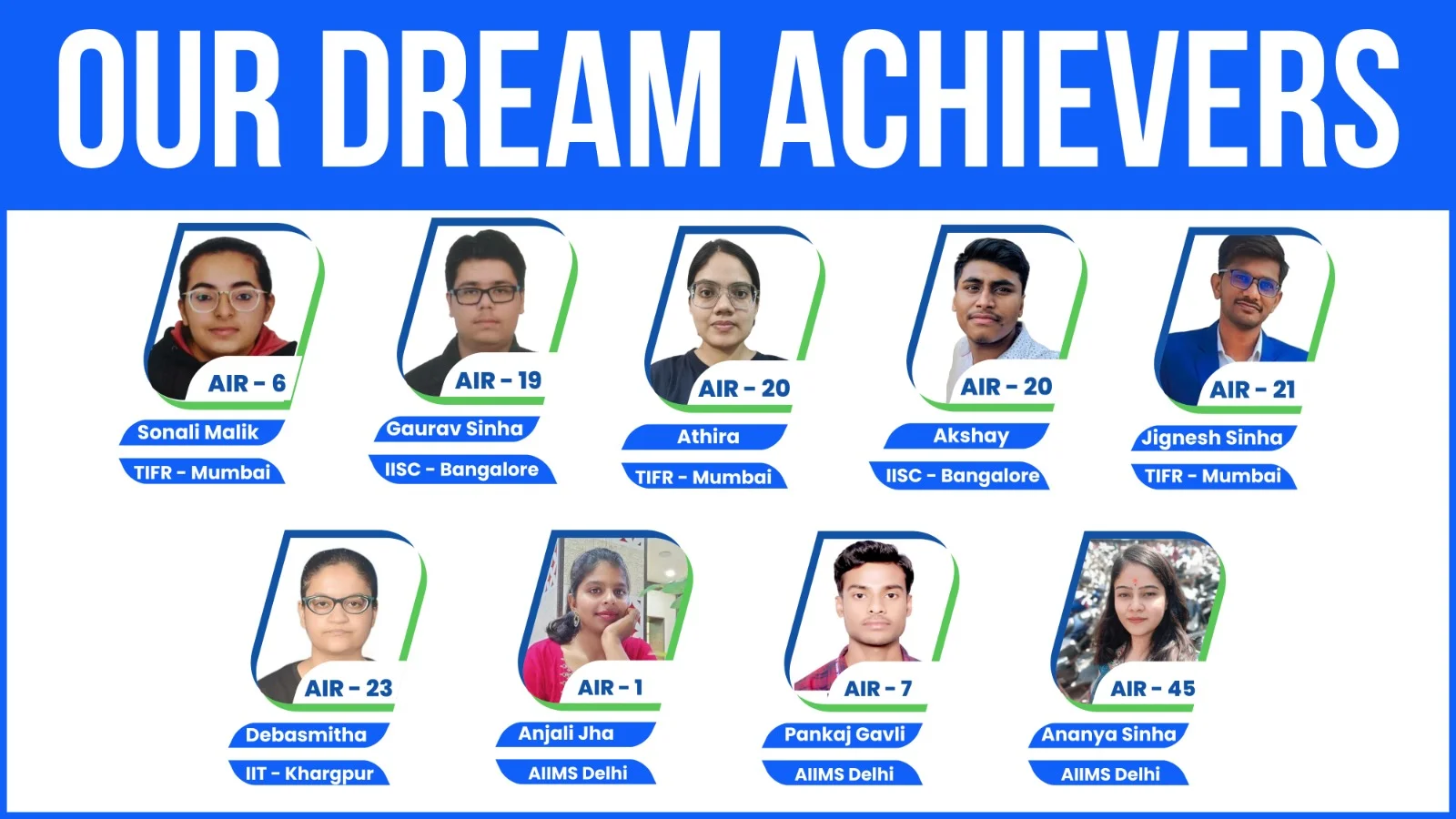
Chandu Biology Classes has consistently produced JRF and NET-qualified students in previous years. With the merger creating a new competitive landscape, the experience and methodological strength of Chandu Biology Classes gives its students a genuine advantage over self-studiers and students at institutes still using pre-merger content.
For any student serious about clearing the merged exam in December 2026 — or even the June 2027 cycle — Chandu Biology Classes is the most well-prepared coaching option in India today.
Frequently Asked Questions (FAQs)
Q1. Is the CSIR NET DBT BET merger 2026 officially confirmed?
Based on government communications and policy announcements available online, the merger of CSIR NET and DBT BET is planned to take effect from December 2026. Students are advised to monitor official notifications from NTA, CSIR, and DBT regularly for the most current and authoritative updates.
Q2. Will there be separate cutoffs for CSIR JRF and DBT JRF in the merged exam?
The merged exam is expected to have separate cutoff criteria for CSIR fellowship eligibility and DBT fellowship eligibility, as the two fellowships have distinct funding and institutional criteria. The exact cutoff structure will be confirmed in the official exam notification.
Q3. If I have already qualified CSIR NET Life Sciences, do I need to reappear in the merged exam?
If your existing CSIR NET qualification is valid and within the fellowship utilization period, it is expected to remain recognized. However, students who wish to improve their rank or are freshly entering the fellowship landscape will need to appear in the new merged exam. Check official notifications for transitional arrangements.
Q4. Which is harder — the old CSIR NET Life Sciences or the new merged exam?
The merged exam is objectively broader in scope. However, the difficulty level of individual questions is not expected to dramatically increase. What increases is the range of topics you must be competent in. Students who prepare with updated, merger-specific material — and who address their cross-disciplinary gaps — can perform very well.
Q5. Can Engineering graduates in Biotechnology (B.Tech/M.Tech) appear in the merged exam?
Eligibility details for engineering-stream Biotechnology graduates will be specified in the official notification. Historically, DBT BET had provisions for B.Tech/M.Tech Biotechnology candidates. These provisions are expected to continue under the merged framework, but confirm through the official circular before applying.
Q6. How much of the merged exam syllabus is common between CSIR NET Life Sciences and DBT BET?
Approximately 50-60% of the core content overlaps — topics like Cell Biology, Molecular Biology, Biochemistry, Genetics, Immunology, and Microbiology are common to both. The remaining content represents the new additions each student group needs to master.
Q7. What books should I use to cover the new Biotechnology topics as a Life Sciences student?
Recommended resources include Molecular Biotechnology by Glick and Pasternak (for applied biotechnology), Lewin’s Genes (for molecular biology tools), and Lehninger Principles of Biochemistry for biochemistry reinforcement. For Bioinformatics, focus on concept-based notes rather than exhaustive textbooks.
Q8. Will the merged exam be conducted online or offline?
Based on current patterns, the exam is expected to be conducted in computer-based test (CBT) mode, consistent with the recent shift in CSIR NET examination modality. Official confirmation will come through the NTA notification.
Q9. How do I stay updated on the latest notifications about the CSIR NET DBT BET merger 2026?
Regularly check the official websites of NTA (nta.ac.in), CSIR Human Resource Development Group (csirhrdg.res.in), and the Department of Biotechnology (dbtindia.gov.in). Following reliable educational platforms and coaching institutes like Chandu Biology Classes that actively track and communicate policy changes is also advisable.
Q10. Is 6 months enough to prepare for the merged exam?
Six months is a realistic and sufficient timeframe for most dedicated aspirants, provided preparation is structured, consistent, and focused on the merged syllabus. Students with a strong foundation in one of the two subjects have an additional advantage. The key is gap analysis — identify what you don’t know and address it systematically.
Final Thoughts
The CSIR NET DBT BET merger 2026 is not a threat — it is an opportunity for well-prepared students to stand out in a newly unified competitive landscape. The students who understand what has changed, adapt their strategy accordingly, and choose the right guidance will not just clear the exam — they will lead it.
Whether you are a Life Sciences student expanding into Biotechnology or a Biotechnology student strengthening your foundational biology, the roadmap is clear. Start early, study smart, and make sure every resource you use — every mock test, every lecture, every module — is aligned to the new merged exam reality.
The December 2026 exam will be a watershed moment in India’s life sciences research ecosystem. Be ready for it.
Disclaimer: All information presented in this article is based on publicly available sources, news reports, government press releases, and information circulating on the internet at the time of writing. The details regarding the CSIR NET and DBT BET merger — including syllabus structure, exam pattern, fellowship amounts, and eligibility criteria — are subject to change based on official notifications from NTA, CSIR, and the Department of Biotechnology, Government of India. Readers are strongly advised to verify all information through official government portals and exam notification documents before making any preparation or career decisions. The author and publisher of this article do not claim official affiliation with NTA, CSIR, DBT, or any government body, and this article is intended for informational and educational purposes only.
