
If you are a Life Sciences graduate or postgraduate student in Andhra Pradesh and you want to build a career in teaching or research, then APSET 2026 is one of the most important exams you will ever appear for. This comprehensive guide covers everything you need to know about APSET 2026 Life Sciences, from eligibility and syllabus to smart study strategies that will help you qualify in your very first attempt.
Whether you are a fresh MSc graduate, a working professional, or someone who has appeared for APSET before and wants to crack it this time, this article is written specifically to help you navigate every step of your preparation journey. We have also included details about Chandu Biology Classes, one of the most trusted coaching destinations for Life Sciences competitive exam preparation, so you can make an informed decision about where to invest your time and money.
What Is APSET and Who Conducts It?
APSET stands for Andhra Pradesh State Eligibility Test. It is a state-level examination conducted to determine the eligibility of candidates for the post of Assistant Professor and Lectureship in colleges and universities across Andhra Pradesh.
The exam is conducted by Sri Venkateswara University, Tirupati, which has been designated as the nodal agency by the Government of Andhra Pradesh and the University Grants Commission. APSET is recognized by the UGC, which means qualifying in APSET makes you eligible to apply for teaching positions in colleges affiliated to Andhra Pradesh universities.
APSET is conducted annually or biannually depending on the notification cycle, and it covers a wide range of subjects including Life Sciences, which is one of the most popular subject categories among biology graduates.
For the year 2026, APSET is expected to follow the revised pattern that was introduced in alignment with the UGC NET pattern reforms, making the exam more competitive and analytically demanding than its older versions.
The significance of APSET goes beyond just getting a teaching job. It is a mark of academic credibility. A candidate who has qualified APSET is considered to have a strong command over their subject, which is why many universities and autonomous colleges give preference to APSET-qualified candidates even when the position requires a PhD.
If you are serious about a career in academics or life sciences education in Andhra Pradesh, qualifying APSET 2026 should be at the top of your priority list.
Eligibility and Marks Requirement
Before you begin your preparation, you need to make sure you are eligible to appear for APSET 2026 Life Sciences. Here is a detailed breakdown of the eligibility criteria.
Educational Qualification
Candidates must have a Master’s degree or an equivalent examination from a recognized university with at least 55 percent marks in aggregate. For candidates belonging to OBC (non-creamy layer), SC, ST, PwD, and Transgender categories, the minimum marks requirement is relaxed to 50 percent.
The Master’s degree should be in Life Sciences or a related discipline such as Botany, Zoology, Biotechnology, Biochemistry, Microbiology, Bioinformatics, Environmental Science, or any branch of biological sciences recognized by the UGC.
Candidates who are in the final year of their Master’s degree program are also eligible to appear provisionally. However, they must complete their degree with the required minimum marks before a specified cutoff date to have their result considered valid.
Age Limit
There is no upper age limit for APSET for the category of Lectureship or Assistant Professor eligibility. This makes APSET an accessible exam for candidates across different stages of their academic career.
Qualifying Marks in APSET
The qualifying cutoff for APSET is category-based. General category candidates must score a combined minimum of 40 percent marks across both papers to be declared qualified. For OBC (non-creamy layer), SC, ST, PwD, and Transgender candidates, the qualifying threshold is 35 percent.
It is important to note that merely meeting the cutoff does not guarantee a teaching position. The final merit list for appointments is based on many other factors including interview performance, academic record, and specific institutional requirements. However, clearing APSET is the mandatory first step.
Paper Pattern: Paper I and Paper II Explained
APSET 2026 is a two-paper examination conducted in a single session. Understanding the paper pattern is absolutely essential for building a focused preparation strategy.
Paper I: General Aptitude
Paper I is common for all subjects and tests a candidate’s reasoning and general academic aptitude. It consists of 50 multiple choice questions, each carrying 2 marks, for a total of 100 marks. The duration for this paper is 1 hour.
The topics covered in Paper I include:
Teaching Aptitude: This section tests your understanding of the principles of teaching, evaluation systems, classroom environment, learner characteristics, and teaching aids.
Research Aptitude: Questions here are based on research methodologies, types of research, research ethics, and the general process of scientific inquiry.
Reading Comprehension: A passage is given, and questions are based on understanding and inference.
Communication: This covers verbal and non-verbal communication, classroom communication, and effective teaching communication.
Reasoning: Both logical and mathematical reasoning are tested here. Syllogisms, analogies, series, and data interpretation form a core part of this section.
Information and Communication Technology: Basic ICT concepts, internet usage in education, and digital tools for teaching are included.
Environment and Biodiversity: This section holds special importance for Life Sciences candidates as it aligns with your subject background.
Higher Education System in India: Governance, policy framework, and institutional structure of higher education.
Paper II: Life Sciences
Paper II is the subject-specific paper and for Life Sciences candidates, it is the most critical part of the exam. It consists of 100 multiple choice questions, each carrying 2 marks, for a total of 200 marks. The total duration for this paper is 2 hours.
The questions are designed to test deep conceptual understanding rather than simple recall. Candidates who have prepared rigorously at the MSc level with a focus on understanding mechanisms and applications will find this paper manageable, while those relying on rote memorization will struggle.
The combined total marks for both papers is 300, and your APSET result is based on your performance across both papers combined.
Life Sciences Syllabus for APSET 2026 (Topic-wise)
The APSET Life Sciences syllabus is one of the most extensive syllabi across all APSET subjects. It is divided into multiple units that span the entire breadth of biological sciences. Here is a detailed topic-wise breakdown.
Unit 1: Molecules and Their Interaction Relevant to Biology
This unit covers the structure and function of biomolecules including carbohydrates, lipids, proteins, and nucleic acids. Enzyme kinetics, enzyme inhibition, allosteric regulation, coenzymes and cofactors, and bioenergetics are important topics here. Students must understand metabolic pathways including glycolysis, TCA cycle, electron transport chain, and oxidative phosphorylation.
Unit 2: Cellular Organization
This unit covers the structure and function of prokaryotic and eukaryotic cells. Topics include cell organelles, cell membrane structure and transport, cytoskeleton, cell signaling pathways, receptor-mediated signal transduction, and second messengers. The cell cycle, including mitosis and meiosis with regulatory mechanisms, is an important topic in this unit.
Unit 3: Fundamental Processes
This is one of the highest-scoring units and includes DNA replication, repair mechanisms, transcription in prokaryotes and eukaryotes, post-transcriptional modifications, translation, the genetic code, and protein folding and modifications. Understanding epigenetic regulation, chromatin remodeling, and non-coding RNA functions is increasingly important in this unit.
Unit 4: Cell Communication and Cell Signaling
This unit focuses on hormonal signaling, neurotransmitter function, second messenger systems including cAMP, cGMP, IP3, and DAG, MAPK pathways, apoptosis, and cell adhesion molecules. Immune system signaling and cytokines also form a part of this unit.
Unit 5: Developmental Biology
Topics include gametogenesis, fertilization, embryonic development, pattern formation, induction, cell fate determination, stem cells, regeneration, and aging. Model organisms used in developmental biology research, such as Drosophila, C. elegans, Xenopus, and mouse, are frequently tested.
Unit 6: Plant Biology
This unit covers plant anatomy, physiology, growth and development, photosynthesis mechanisms (both light and dark reactions), photorespiration, plant hormones and their signaling mechanisms, seed dormancy and germination, and plant responses to environmental stress. Secondary metabolites and their significance are also included.
Unit 7: Animal Physiology
Topics here include the nervous system, endocrine system, digestive system, respiratory system, circulatory system, excretory system, reproductive physiology, and immune system. Comparative physiology across vertebrate and invertebrate groups is also tested.
Unit 8: Inheritance Biology
This unit covers Mendelian genetics, chromosomal theory of inheritance, linkage and recombination, sex determination, quantitative genetics, population genetics including Hardy-Weinberg equilibrium, and extranuclear inheritance. Mutations, DNA repair, and mutagenesis are also part of this unit.
Unit 9: Diversity of Life Forms
This unit tests your knowledge of classification systems, kingdoms of life, major phyla of plants and animals, and the evolutionary relationships among major groups. Taxonomy, nomenclature, and systematics are covered here along with the biology of viruses, bacteria, fungi, algae, and parasites.
Unit 10: Ecological Principles
Topics include population ecology, community ecology, ecosystem structure and function, energy flow and nutrient cycles, biodiversity, conservation biology, environmental pollution and its effects, and climate change biology. This unit overlaps significantly with Paper I topics on environment, giving Life Sciences candidates an advantage.
Unit 11: Evolution and Behavior
Topics here include Darwin’s theory of natural selection, neo-Darwinism, molecular evolution, phylogenetics, speciation, coevolution, sexual selection, altruism, and sociobiology. Animal behavior topics including habituation, learning, conditioning, and communication are also included.
Unit 12: Applied Biology
This is an increasingly important unit that covers recombinant DNA technology, cloning vectors, PCR and its applications, DNA sequencing methods, transgenic organisms, gene therapy, stem cell applications, biosafety, bioethics, bioremediation, biostatistics, and bioinformatics tools. Candidates with a biotechnology background will find this unit familiar.
APSET vs UGC NET vs CSIR NET: Which Do You Need?
This is one of the most commonly asked questions among Life Sciences students. The answer depends on your career goals, location, and the type of position you are targeting.
APSET 2026
APSET is specifically valid for teaching positions in colleges and universities within Andhra Pradesh. If your goal is to teach at the college level in AP, qualifying APSET is the most direct route. The exam is conducted by Sri Venkateswara University and its results are recognized by the state government and affiliated universities.
APSET does not qualify you for research fellowships or for teaching positions outside Andhra Pradesh.
UGC NET
UGC NET is conducted by the National Testing Agency and is valid across India. Life Sciences students who clear UGC NET with a good score in Paper III become eligible for both Assistant Professor positions and Junior Research Fellowship (JRF). JRF opens the door to PhD with a fellowship stipend, which is a significant advantage.
UGC NET Life Sciences has a more extensive syllabus compared to APSET and is considered more competitive nationally. If you want to teach outside AP or want to pursue a funded PhD, UGC NET is the exam to target.
CSIR NET
CSIR NET (conducted by the Council of Scientific and Industrial Research) is specifically designed for science subjects including Life Sciences. It is separate from UGC NET and considered significantly more rigorous. CSIR NET qualifiers become eligible for JRF, Lectureship, and direct PhD admissions in CSIR institutes and many central universities.
CSIR NET Life Sciences has a greater emphasis on research-oriented questions and requires deeper understanding of mechanisms and experimental reasoning compared to APSET.
Many serious students aim to qualify all three over a period of time. However, the strategic approach recommended by experienced faculty at Chandu Biology Classes is to start with APSET if your immediate goal is a state-level teaching position, while simultaneously preparing for UGC NET or CSIR NET for broader career options.
Study Plan and Resources
Preparing for APSET 2026 Life Sciences requires a structured and disciplined approach. Here is a realistic and effective study plan that has worked for thousands of students.
Month 1 and Month 2: Build Your Foundation
During the first two months, focus on covering the core units systematically. Start with Units 1, 2, and 3 (Molecules, Cellular Organization, and Fundamental Processes) as these form the backbone of almost all competitive biology exams. Use standard textbooks such as Lehninger’s Biochemistry, Alberts’ Molecular Biology of the Cell, and Watson’s Molecular Biology of the Gene for these units.
Take handwritten notes as you study. Writing helps retain information better and the notes become a quick revision resource in the final weeks before the exam.
Month 3 and Month 4: Cover the Breadth of the Syllabus
Use months three and four to cover the remaining units systematically. Do not skip any unit, even if you feel less confident about it. Ecology, Evolution, and Developmental Biology are frequently underestimated by students but carry significant weightage in APSET.
For Plant Biology and Animal Physiology, use Campbell Biology and Taiz and Zeiger’s Plant Physiology as primary references.
Month 5: Revision and Mock Tests
The fifth month should be entirely devoted to revision and practice. Solve previous year APSET papers, UGC NET papers, and CSIR NET papers from the last five to ten years. This will familiarize you with the question pattern, help you identify your weak areas, and improve your time management.
Analyze every mistake you make in practice tests. Understanding why you got a question wrong is more valuable than getting ten questions right.
Month 6: Final Preparation and Paper I Focus
The final month should combine intensive Paper I preparation with light revision of Paper II topics. Many candidates neglect Paper I thinking it is easy, but Paper I has caused several strong biology students to miss the cutoff. Give adequate attention to Teaching Aptitude, Reasoning, and Research Aptitude questions.
Why Chandu Biology Classes Is the Right Choice for Your APSET Preparation
When it comes to choosing a coaching institute for APSET, UGC NET, or CSIR NET Life Sciences preparation, Chandu Biology Classes stands out as one of the most reliable and student-focused options available today.
Chandu Biology Classes has built a strong reputation among Life Sciences students across Andhra Pradesh and Telangana for delivering high-quality conceptual teaching that goes beyond textbook reading. The faculty at Chandu Biology Classes focuses on building a deep understanding of mechanisms and applications, which is exactly what APSET 2026 demands.
The institute offers two modes of learning to suit the diverse needs of students:
Online Classes are available at a fee of Rs. 25,000, making quality coaching accessible to students across India regardless of their location. The online program includes recorded lectures that can be revisited, live doubt-clearing sessions, and digital study materials.
Offline Classes are conducted at the institute’s physical center at a fee of Rs. 30,000. The offline program provides the advantage of face-to-face interaction with faculty, group study environment, printed study materials, and regular classroom tests that simulate actual exam conditions.
Both the online and offline programs are designed to cover the complete APSET and UGC NET Life Sciences syllabus systematically, with special emphasis on high-weightage units and frequently asked question types.
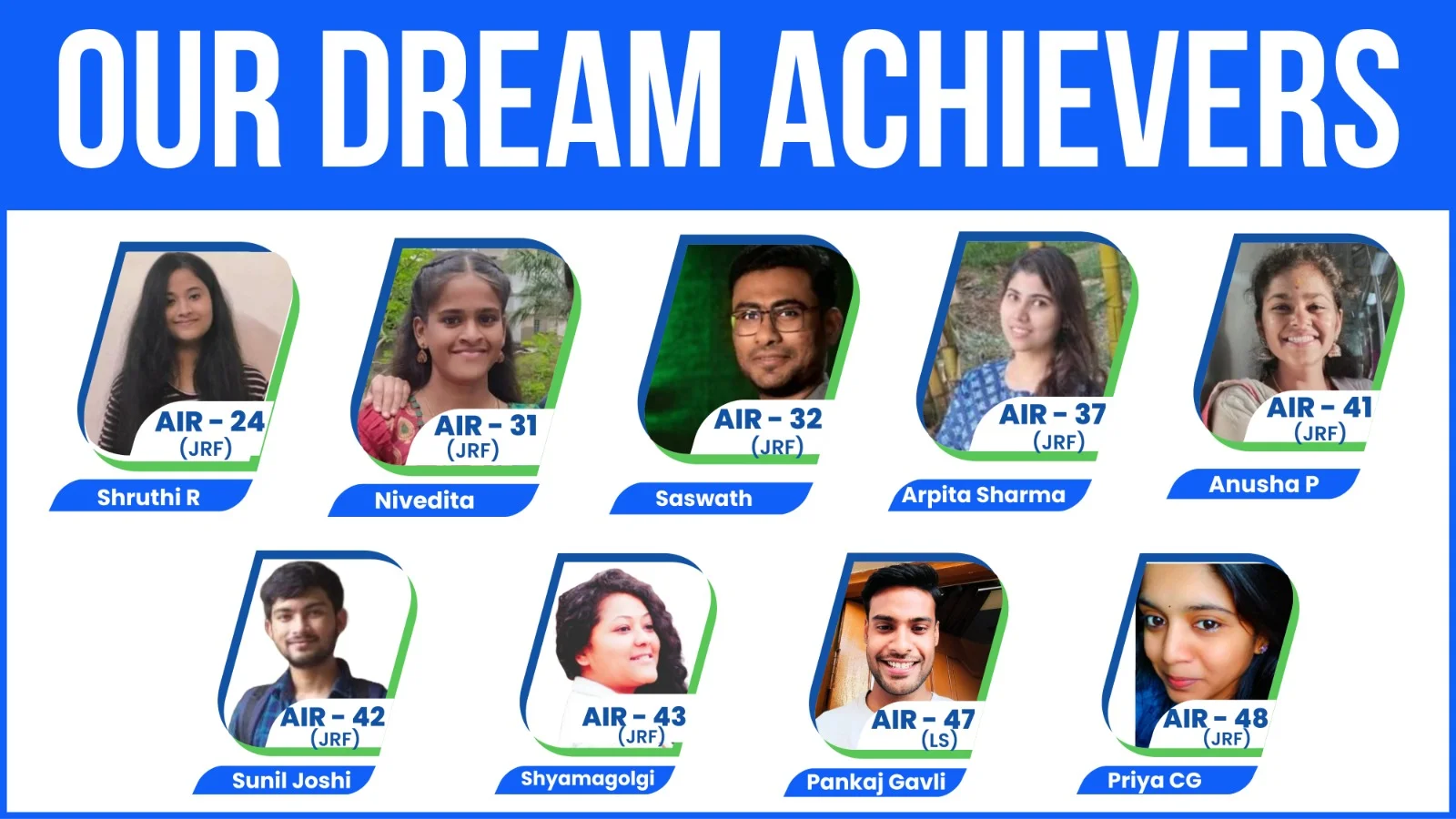
Students who have trained at Chandu Biology Classes consistently report that the structured teaching approach, regular assessments, and personalized doubt resolution have been the key factors in their success.
If you are serious about qualifying APSET 2026 in your first attempt, enrolling with a trusted coaching institute like Chandu Biology Classes can make a significant difference to both your preparation quality and your final score.
Self-Study Tips That Actually Work
For students who cannot join coaching, here are some evidence-backed self-study tips:
Make a syllabus checklist and track your daily progress. Visual tracking creates accountability.
Use active recall instead of passive reading. After reading a topic, close the book and write down everything you remember. This technique dramatically improves retention.
Form a study group with two or three students preparing for the same exam. Teaching each other is one of the most effective learning strategies known to cognitive science.
Use NCERT textbooks for foundational clarity and then move to higher-level university texts. Many competitive exam questions are ultimately rooted in concepts first introduced at the undergraduate level.
Do not ignore diagrams and flowcharts. Life sciences is a visual subject and many questions in APSET are based on pathway diagrams, cell structures, and experimental setups.
Frequently Asked Questions About APSET 2026 Life Sciences
Is APSET 2026 valid for teaching in Telangana universities?
No. APSET is specifically valid for colleges and universities within Andhra Pradesh. For teaching positions in Telangana, you need to qualify TSSET (Telangana State Eligibility Test) or UGC NET, which is nationally valid.
Can I appear for APSET 2026 while pursuing my MSc final year?
Yes. Final year MSc students can appear for APSET provisionally. However, your result will only be considered valid if you complete your degree with the required minimum marks within the stipulated timeframe as mentioned in the official notification.
How many times can I appear for APSET?
There is no restriction on the number of attempts for APSET. You can appear as many times as you wish until you qualify, as long as you meet the eligibility criteria.
Is APSET easier than UGC NET or CSIR NET?
APSET is generally considered relatively less difficult than CSIR NET and is comparable to UGC NET in terms of overall difficulty. However, this does not mean APSET is easy. The competition is significant and thorough preparation is necessary.
What is the best book for APSET Life Sciences preparation?
There is no single best book. A combination of standard university textbooks including Lehninger, Alberts, Campbell, Stryer, and Lodish is recommended for Paper II. For Paper I, any standard UGC NET General Paper I preparation book will suffice.
Does qualifying APSET give me JRF benefits?
No. APSET qualification does not come with Junior Research Fellowship benefits. For JRF, you need to qualify CSIR NET or UGC NET with a JRF cutoff score.
How long does it take to prepare for APSET Life Sciences from scratch?
Most students find that six months of dedicated preparation is sufficient to qualify APSET Life Sciences, provided the preparation is structured, consistent, and covers the complete syllabus. Students who are already preparing for UGC NET or CSIR NET may find the additional effort for APSET to be minimal.
What is the fee for Chandu Biology Classes for APSET preparation?
Chandu Biology Classes offers online coaching at Rs. 25,000 and offline coaching at Rs. 30,000. These are the current fee structures for the Life Sciences competitive exam preparation programs. No other fee packages are available beyond these two options.
Are there negative marks in APSET 2026?
As per recent exam patterns, APSET does not have negative marking. This means you should attempt all questions and avoid leaving any question unanswered.
What is the validity period of APSET qualification?
APSET qualification is valid for a lifetime for the purpose of Lectureship eligibility. Unlike some other exams, there is no expiry date on APSET qualification once you have cleared it.
How many vacancies are typically available after APSET results?
The number of vacancies depends on government announcements and college requirements at the time of recruitment. Qualifying APSET does not guarantee immediate employment but it fulfills the mandatory eligibility criterion for applying to any Assistant Professor position advertised by Andhra Pradesh universities or colleges.
Can I use APSET qualification to apply for central university positions?
No. Central university teaching positions require UGC NET qualification, which is a national-level exam. APSET is valid only for state-level institutions in Andhra Pradesh. If you want to apply for central universities, you need to qualify UGC NET separately.
Is online coaching from Chandu Biology Classes as effective as offline coaching?
Many students who have enrolled in the online program at Chandu Biology Classes have qualified APSET and UGC NET with strong scores. The online program includes live doubt sessions and recorded lectures, making it effective for students who are disciplined and self-motivated. The offline program has the added advantage of in-person interaction and a structured classroom environment, which some students find more motivating.
Conclusion
APSET 2026 Life Sciences is a challenging but absolutely achievable exam for any dedicated biology student. The key to qualifying in your first attempt lies in understanding the exam pattern deeply, covering the syllabus systematically, practicing with previous year papers, and seeking guidance from trusted sources.
The Life Sciences syllabus is vast but rewarding to study because almost every topic connects to real biological systems and processes. Students who approach the preparation with genuine curiosity about the subject, rather than treating it as a burden, consistently perform better.
If you are looking for structured coaching support to help you navigate this journey, Chandu Biology Classes offers two accessible options: an online program at Rs. 25,000 and an offline program at Rs. 30,000. Both programs are taught by experienced faculty who understand exactly what it takes to qualify Life Sciences competitive exams at the state and national level.
Start your APSET 2026 preparation today. Plan your syllabus, gather your resources, build a realistic daily schedule, and commit to it consistently. The first page of Google can bring you here, but the first rank in your APSET result will come from your dedication and the right guidance.
Best of luck for your preparation. You have everything it takes to qualify APSET 2026 Life Sciences in your very first attempt.
