
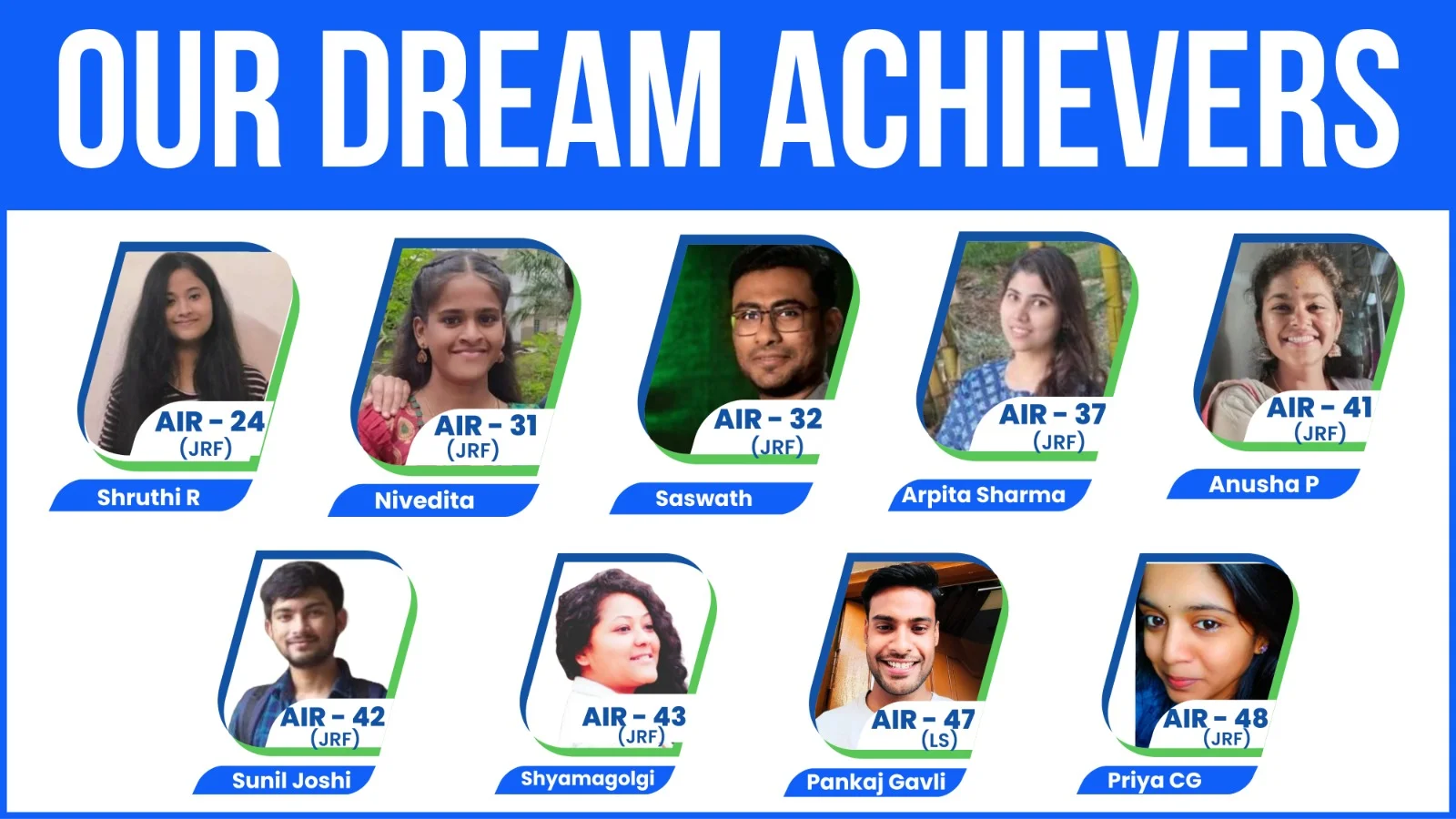
If you are a Life Sciences graduate or postgraduate in Andhra Pradesh dreaming of a stable, respected government teaching job, the APPSC Junior Lecturer Botany exam is probably already on your radar. Every year, thousands of aspirants from across the state apply for this post, but only a small percentage actually clear it. Why? Because most candidates underestimate how competitive and detail-oriented this exam has become.
This is exactly why so many serious aspirants are now searching for APPSC Junior Lecturer Botany botany zoology coaching before they even start their preparation. A good coaching environment doesn’t just teach you the syllabus — it gives you structure, discipline, regular testing, and doubt-clearing support that self-study alone rarely provides.
In this article, we will break down everything you need to know: eligibility, exam pattern, syllabus, preparation strategy, and why choosing the right APPSC Junior Lecturer Botany botany zoology coaching institute matters more than most people realize. We’ll also talk about Chandu Biology Classes, a name that keeps coming up when students discuss serious Botany and Zoology coaching for this exam, along with their fee structure so you can plan your budget in advance.
What Is the APPSC Junior Lecturer Botany Exam?
The Andhra Pradesh Public Service Commission (APPSC) conducts the Junior Lecturer recruitment exam to fill teaching posts in government junior colleges across the state. The Botany post specifically requires candidates to have strong subject knowledge not just in Botany, but often in allied Life Science areas including Zoology, since many junior college teaching roles and related exams test cross-subject biological science concepts.
This is one of the reasons candidates increasingly look for combined APPSC Junior Lecturer Botany botany zoology coaching, rather than studying Botany in isolation. The exam tests conceptual clarity, application-based understanding, and the ability to recall detailed classifications, life cycles, physiological processes, and genetics-related concepts under time pressure.
Being a Junior Lecturer is not just a job — it’s a long-term, pensionable, respected government career with growth opportunities into degree college lectureship and beyond through further qualifications and promotions. That’s exactly why competition for every seat is intense.
Eligibility Criteria for APPSC Junior Lecturer Botany
Before diving into preparation, let’s quickly cover eligibility, since many students waste months preparing without confirming this first.
- Educational Qualification: A Postgraduate degree (M.Sc.) in Botany (or Botany with allied subjects as specified in the official notification) with at least 50% marks (relaxation for reserved categories as per APPSC norms).
- B.Ed Qualification: Candidates generally need a B.Ed degree or must be pursuing/completing it as per the latest notification requirements.
- Age Limit: Typically between 18 to 42 years, with age relaxation applicable for SC/ST/BC/PH/Ex-servicemen categories as per state rules.
- Nationality: Must be an Indian citizen and satisfy the local/state candidate requirements as specified by APPSC.
Always cross-check the latest official notification on the APPSC website before applying, since eligibility conditions can be revised from one recruitment cycle to another.
APPSC Junior Lecturer Botany Exam Pattern
The exam generally consists of a written test (objective type, multiple choice questions) covering:
- General Studies and Mental Ability – common for all Junior Lecturer posts, covering current affairs, general science, Indian polity, geography, and reasoning.
- Subject Paper – Botany – This is the core paper, covering the full M.Sc. level Botany syllabus in depth, including plant taxonomy, morphology, anatomy, physiology, genetics, molecular biology, ecology, and plant pathology.
Depending on the specific notification cycle, there may also be a paper covering general Life Sciences concepts, which is where Zoology-related preparation becomes genuinely useful — another reason why aspirants search for integrated APPSC Junior Lecturer Botany botany zoology coaching rather than single-subject guidance.
The exam is negative-marking in nature (as per the latest notification), which means guesswork can actually hurt your score. Accuracy, not just speed, becomes critical.
Detailed Botany Syllabus Overview
Here’s a broad breakdown of what the Botany subject paper typically covers:
1. Microbiology and Plant Pathology
Viruses, bacteria, fungi, plant diseases, host-pathogen interactions, and disease management principles.
2. Plant Taxonomy and Systematics
Classification systems (Bentham & Hooker, Engler, APG systems), families, identification characters, and nomenclature rules.
3. Plant Morphology and Anatomy
External and internal structure of plants, tissue systems, secondary growth, and anomalous structures.
4. Cell Biology and Genetics
Cell structure, cell division, Mendelian and non-Mendelian genetics, chromosomal aberrations, and molecular basis of inheritance.
5. Plant Physiology and Biochemistry
Photosynthesis, respiration, plant hormones, nitrogen metabolism, and stress physiology.
6. Ecology and Environmental Botany
Ecosystem dynamics, plant communities, biodiversity conservation, and environmental issues.
7. Economic Botany and Biotechnology
Plants of economic importance, tissue culture, genetic engineering, and applications in agriculture and industry.
Each of these units demands months of focused study, revision, and practice with previous year question papers — which is precisely the kind of structured push that a professional APPSC Junior Lecturer Botany botany zoology coaching program is designed to give you.
Why Zoology Knowledge Also Matters for Botany Aspirants
Many students ask: “I’m applying for the Botany post, why should I study Zoology at all?” Here’s the honest answer:
- Several competitive exams in the Life Sciences domain (including certain APPSC and allied exams, SET, NET, and school/college-level teaching exams) test General Science and Life Sciences as a combined subject, especially for General Studies sections.
- Having a working knowledge of Zoology strengthens your overall biological concepts, which indirectly helps in answering application-based Botany questions related to ecology, evolution, and physiology comparisons.
- If you’re also eyeing other teaching posts, TGT/PGT exams, or SET/NET exams as backup options, combined Botany-Zoology preparation saves you double the effort later.
This is why the demand for combined APPSC Junior Lecturer Botany botany zoology coaching has grown steadily among serious aspirants who want to maximize their preparation efficiency across multiple exams with a single, well-planned study cycle.
Why Coaching Makes a Real Difference
Some students believe self-study alone is enough. And for a small percentage of highly disciplined, self-motivated learners, it can work. But for the majority, structured coaching offers advantages that are hard to replicate alone:
- Structured Syllabus Coverage – No missed topics, no last-minute panic.
- Expert Faculty Guidance – Experienced teachers who know exactly what APPSC examiners expect.
- Regular Mock Tests – Practicing under exam-like conditions builds real exam temperament.
- Doubt Clearing Sessions – Concepts that seem confusing in books become clear with the right explanation.
- Peer Environment – Studying alongside serious aspirants keeps motivation high.
- Updated Study Material – Coaching institutes constantly update material based on the latest notification and exam trends.
This is exactly the value proposition behind good APPSC Junior Lecturer Botany botany zoology coaching it converts scattered self-study into a focused, result-oriented preparation journey.
Chandu Biology Classes – A Trusted Name for Botany and Zoology Coaching
When it comes to focused Botany and Zoology coaching for competitive exams like APPSC Junior Lecturer, Chandu Biology Classes is a name that regularly comes up in student discussions and reviews. Many aspirants preparing for APPSC Junior Lecturer Botany botany zoology coaching consider institutes that specialize purely in biological sciences, rather than generic multi-subject coaching centers, because subject-specific depth matters enormously at this level.
Here’s what students commonly highlight about Chandu Biology Classes:
- Subject specialization in Botany and Zoology, rather than a broad, diluted syllabus approach.
- Experienced faculty who understand the specific pattern and depth expected in APPSC-level Life Sciences papers.
- Regular tests and revision sessions to keep preparation exam-ready throughout the course.
- Both online and offline batch options, giving flexibility to students from different locations and backgrounds.
Chandu Biology Classes Fee Structure
For students planning their budget, here is the fee structure of Chandu Biology Classes:
| Mode of Coaching | Fee |
|---|---|
| Online Batch | ₹25,000 |
| Offline Batch | ₹30,000 |
This fee structure does not include any additional charges beyond what is mentioned above — meaning there are no hidden costs bundled into these numbers as officially listed. Students are advised to directly confirm the latest fee details, batch timings, and any inclusions or exclusions with the institute directly before enrolling, since fee structures and offerings can be revised from time to time.
Choosing between online and offline depends largely on your personal learning style, location, and how much you value in-person doubt clearing versus flexible, from-home learning. Both formats, when followed consistently, can be highly effective for APPSC Junior Lecturer Botany botany zoology coaching preparation.
Month-Wise Preparation Strategy
Here’s a practical roadmap you can follow, whether you join coaching or study independently alongside it:
Months 1–2: Foundation Building
Cover NCERT and basic degree-level concepts first. Don’t jump straight into advanced topics without a strong base. Build short notes for each unit.
Months 3–5: Core Syllabus Deep Dive
This is where most of your Botany subject paper preparation should happen — taxonomy, physiology, genetics, ecology, and biotechnology, one unit at a time, with daily revision of previous topics.
Month 6: Zoology and General Science Integration
Even if your core post is Botany, dedicate focused weeks to Zoology fundamentals and general science, especially if your notification includes combined Life Sciences questions.
Months 7–8: Previous Year Papers and Mock Tests
Start solving previous year question papers weekly. Join full-length mock tests to build exam temperament and identify weak areas.
Final Month: Revision Only
No new topics. Only revise notes, attempt mock tests, and work on time management and accuracy.
Common Mistakes Students Make
- Ignoring NCERT basics and jumping directly to advanced reference books.
- Not practicing enough MCQs despite the exam being fully objective.
- Studying Botany in isolation without touching General Science or Zoology basics.
- Skipping revision and only focusing on “new” topics till the last week.
- Not joining a structured coaching program, leading to inconsistent preparation and burnout.
Avoiding these mistakes alone can significantly improve your chances, but combining that discipline with a proper APPSC Junior Lecturer Botany botany zoology coaching program gives you a measurable edge over candidates preparing without guidance.
How to Choose the Right Coaching Institute
When comparing coaching institutes for this exam, consider these factors:
- Faculty experience specifically in Botany and Zoology, not generalized biology teaching.
- Track record with previous APPSC Junior Lecturer selections, if available.
- Test series quality — regular, well-analyzed mock tests matter more than flashy marketing.
- Batch flexibility — online vs offline options based on your convenience.
- Transparent fee structure — always confirm what’s included and what’s not before paying.
- Study material quality — updated, exam-relevant, and not outdated year after year.
Frequently Asked Questions (FAQs) – Trending Searches
1. What is the best coaching for APPSC Junior Lecturer Botany?
There are several institutes offering Botany-focused preparation, but many students specifically search for APPSC Junior Lecturer Botany botany zoology coaching that combines both subjects for a more holistic Life Sciences preparation, such as Chandu Biology Classes.
2. Is Zoology required for the APPSC Junior Lecturer Botany post?
The core paper focuses on Botany, but general Life Sciences and General Science sections in some notifications may touch on Zoology basics, which is why combined coaching is preferred by many aspirants.
3. What is the fee for Chandu Biology Classes?
As per current information, the online batch fee is ₹25,000 and the offline batch fee is ₹30,000, with no additional charges beyond these amounts.
4. How many months are needed to prepare for APPSC Junior Lecturer Botany?
Most successful candidates recommend at least 6 to 8 months of focused, structured preparation, combined with regular mock tests in the final phase.
5. Is online coaching as effective as offline for this exam?
Yes, if followed consistently. Online coaching offers flexibility and often costs less, while offline coaching offers in-person interaction. Both can be effective depending on the student’s learning style.
6. What is the salary of an APPSC Junior Lecturer?
Salary details are revised periodically as per government pay scale notifications; candidates should refer to the official APPSC notification for the latest accurate pay scale information.
7. How many attempts are allowed for APPSC Junior Lecturer exam?
Attempt limits, if any, are specified in each notification cycle; candidates should check the latest official notification for exact details, as this can vary.
8. What books are best for APPSC Junior Lecturer Botany preparation?
Standard M.Sc.-level Botany textbooks combined with previous year question papers and updated coaching material generally form the most effective preparation base.
9. Does APPSC Junior Lecturer Botany exam have negative marking?
As per recent notification trends, negative marking is typically applicable, so accuracy is extremely important during the exam.
10. Which is better — joining APPSC Junior Lecturer Botany botany zoology coaching or self-study?
For most students, a combination works best — structured coaching for concept clarity and testing, along with disciplined self-study for revision and practice.
Final Thoughts
Cracking the APPSC Junior Lecturer Botany exam is absolutely achievable with the right strategy, consistent effort, and the right guidance. Whether you choose to study independently or join a specialized program, the key factors that decide success remain the same: strong conceptual clarity, regular testing, disciplined revision, and staying updated with the latest exam pattern.
If you’re specifically looking for APPSC Junior Lecturer Botany botany zoology coaching, it’s worth evaluating institutes like Chandu Biology Classes that specialize in biological sciences rather than generalized coaching, and comparing their online (₹25,000) and offline (₹30,000) fee structures against your budget and learning preferences before making a final decision.
Preparation for a government teaching post is a marathon, not a sprint. Stay consistent, trust your process, and give yourself the best possible support system — whether that’s disciplined self-study, a structured coaching program, or a combination of both.
Disclaimer: This article has been compiled using publicly available information from the internet for general informational purposes only. Details regarding exam pattern, eligibility, syllabus, fee structures, and institute offerings are subject to change and should be independently verified from official APPSC notifications and the respective coaching institute directly before making any decisions. We do not guarantee the complete accuracy or current validity of all details mentioned above.
