
Introduction: Why APPSC JL Botany Zoology 2026 Is a Golden Opportunity
Every year, thousands of biology graduates across Andhra Pradesh dream of securing a government teaching position. The APPSC JL Botany Zoology 2026 recruitment is one of the most anticipated notifications for postgraduate students in Life Sciences, Botany, and Zoology. This examination, conducted by the Andhra Pradesh Public Service Commission, offers a stable government career as a Junior Lecturer in government junior colleges across the state.
If you have a passion for biology and want to serve students at the pre-university level while enjoying all the perks of a government job, this is the exam you need to prepare for seriously. But cracking this exam is not easy. The competition is intense, the syllabus is vast, and the cutoff marks are rising every year. That is exactly why having a structured preparation plan matters more than ever in 2026.
This comprehensive guide covers everything you need to know about APPSC JL Botany Zoology 2026 — from eligibility and syllabus to exam pattern, salary, preparation strategy, and the best coaching option available for serious aspirants.
What Is APPSC JL Recruitment?
The Andhra Pradesh Public Service Commission conducts the Junior Lecturer recruitment examination to fill vacancies in government junior colleges run by the Department of Intermediate Education, Andhra Pradesh. Junior Lecturers are responsible for teaching students in Class 11 and Class 12 across various subjects.
For biology stream students, the two most relevant subjects are Botany and Zoology. These positions carry a good salary package, job security, pension benefits, and regular promotions — making them among the most sought-after positions for biology postgraduates in Andhra Pradesh.
The APPSC JL Botany Zoology 2026 exam will test candidates on their subject knowledge, teaching aptitude, and general awareness. Candidates must be thoroughly prepared across all three dimensions to clear the selection process.
APPSC JL Botany Zoology 2026: Official Notification Overview
While the official notification for 2026 is expected to be released by the Andhra Pradesh Public Service Commission through their official website, based on previous recruitment cycles, here is what candidates can broadly expect:
Conducting Body: Andhra Pradesh Public Service Commission (APPSC)
Post Name: Junior Lecturer (JL) in Botany / Zoology
Department: Department of Intermediate Education, Andhra Pradesh
Exam Mode: Offline (OMR-based written examination)
Application Mode: Online
Official Website: psc.ap.gov.in
Candidates are strongly advised to keep checking the official APPSC website for the latest notification updates, vacancy numbers, application dates, and admit card schedule.
Eligibility Criteria for APPSC JL Botany Zoology 2026
Before you begin preparation, it is essential to confirm that you meet the eligibility conditions set by the commission. Here is a detailed breakdown:
Educational Qualification
For the post of Junior Lecturer in Botany:
Candidates must hold a postgraduate degree (M.Sc.) in Botany or an equivalent qualification from a recognized university.
For the post of Junior Lecturer in Zoology:
Candidates must hold a postgraduate degree (M.Sc.) in Zoology or an equivalent qualification from a recognized university.
In some cases, candidates with M.Sc. in Life Sciences or related disciplines may also be eligible, subject to the official notification’s clarification. Always verify the exact educational qualification requirement from the official APPSC JL Botany Zoology 2026 notification.
Age Limit
The general age limit for APPSC Junior Lecturer posts is typically between 18 to 42 years. Age relaxations are provided for reserved category candidates as per government rules:
- SC / ST candidates: 5 years relaxation
- BC candidates: 5 years relaxation
- Ex-Servicemen: as per government norms
- PH candidates: 10 years relaxation
Nationality
Candidates must be Indian citizens and should be residents of Andhra Pradesh or meet the local candidate criteria as specified in the notification.
Other Requirements
Candidates must have a working knowledge of Telugu language. Knowledge of local culture, customs, and teaching ability at the intermediate level is also preferred.
APPSC JL Exam Pattern 2026
Understanding the exam pattern is the first step toward smart preparation. The APPSC Junior Lecturer examination generally follows this structure:
Paper I: General Studies and General Abilities
This paper tests the candidate’s knowledge in areas like:
- Current affairs (state, national, and international level)
- Indian history and culture
- Indian polity and governance
- Indian economy
- General science
- Logical reasoning and analytical ability
- Data interpretation
- English language comprehension
- Telugu language skills
Total Marks: 150 marks
Duration: 2.5 hours
Type: Objective type (multiple choice)
Paper II: Subject Paper (Botany / Zoology)
This paper tests in-depth knowledge of the candidate’s chosen subject. For Botany candidates, the paper covers plant science topics at the postgraduate level. For Zoology candidates, it covers animal science topics at the PG level.
Total Marks: 300 marks
Duration: 2.5 hours
Type: Objective type (multiple choice)
Key Points About the Exam Pattern
- Both papers are conducted offline in OMR format
- There may be negative marking — confirm from the official notification
- Merit list is prepared based on combined scores of both papers
- Candidates must score minimum qualifying marks in each paper
APPSC JL Botany Syllabus 2026: Complete Topic-Wise Breakdown
The Botany paper for APPSC JL covers a wide range of topics from classical plant biology to modern molecular techniques. Here is a comprehensive topic-wise breakdown:
Unit 1: Plant Diversity and Taxonomy
- Algae, Fungi, Bryophytes, Pteridophytes, Gymnosperms, Angiosperms
- Principles of plant taxonomy and nomenclature
- Plant systematics — classical and modern approaches
- Cladistics and phylogenetic classification
- Important plant families — Fabaceae, Solanaceae, Poaceae, Asteraceae
Unit 2: Cell Biology and Genetics
- Cell structure — prokaryotic and eukaryotic cells
- Cell organelles and their functions
- Cell cycle — mitosis and meiosis
- Mendelian genetics and laws of inheritance
- Chromosomal theory of inheritance
- Linkage, crossing over, and chromosome mapping
- Mutations — types and molecular basis
- Extranuclear inheritance
Unit 3: Plant Physiology
- Photosynthesis — light reactions, Calvin cycle, C3, C4, CAM pathways
- Respiration — glycolysis, Krebs cycle, electron transport chain
- Plant-water relations — osmosis, transpiration, water potential
- Mineral nutrition — macro and micronutrients
- Plant growth regulators — auxins, gibberellins, cytokinins, ABA, ethylene
- Seed germination and dormancy
- Photoperiodism and vernalization
Unit 4: Molecular Biology and Biotechnology
- DNA structure and replication
- RNA types and transcription
- Translation and genetic code
- Gene regulation — operon model
- Recombinant DNA technology
- PCR, gel electrophoresis, Southern blotting, DNA fingerprinting
- Transgenic plants
- Plant tissue culture — totipotency, callus, organogenesis
- Bioreactors and industrial applications
Unit 5: Plant Ecology and Environmental Biology
- Ecosystem structure and function
- Energy flow and nutrient cycling
- Plant communities and succession
- Population ecology
- Biodiversity — types, importance, and conservation
- Environmental pollution and its effects on plants
- Climate change and plant response
- Biosphere reserves and protected areas in India
Unit 6: Plant Pathology and Economic Botany
- Major plant diseases — fungal, bacterial, viral
- Disease management strategies
- Economically important plants — food crops, fiber crops, medicinal plants
- Ethnobotany
- Plant products of industrial importance
APPSC JL Zoology Syllabus 2026: Complete Topic-Wise Breakdown
The Zoology paper tests candidates on animal biology from classical zoology to modern molecular biology. Here is the detailed syllabus:
Unit 1: Animal Diversity and Classification
- Non-chordate phyla — Protozoa to Echinodermata
- Chordate diversity — Pisces to Mammalia
- Systematic zoology and taxonomy
- Binomial nomenclature
- Evolutionary relationships among animal phyla
Unit 2: Cell Biology and Genetics
- Cell structure and ultrastructure
- Cell division — mitosis and meiosis
- Chromosomal organization
- Mendelian genetics and non-Mendelian inheritance
- Mutations, recombination, and repair mechanisms
- Human genetics — pedigree analysis, genetic disorders
- Sex determination and sex-linked inheritance
Unit 3: Animal Physiology
- Digestive system and nutrition
- Circulatory system — open and closed, human heart
- Respiratory system — different modes of respiration
- Excretory system — types of nitrogenous excretion, nephron
- Nervous system — neuron structure, synaptic transmission
- Endocrine system — hormones and their functions
- Reproductive physiology — male and female reproductive systems
- Thermoregulation and homeostasis
Unit 4: Developmental Biology and Immunology
- Gametogenesis and fertilization
- Cleavage patterns and blastulation
- Gastrulation and germ layer formation
- Organogenesis
- Metamorphosis and regeneration
- Innate and adaptive immunity
- Antigens, antibodies, and immune response
- Vaccines and immunological memory
Unit 5: Molecular Biology and Biotechnology
- DNA replication and repair
- Transcription and translation
- Gene regulation in prokaryotes and eukaryotes
- Recombinant DNA technology
- CRISPR-Cas9 and gene editing
- Stem cells and their applications
- Animal tissue culture
- Bioinformatics basics
Unit 6: Ecology, Evolution, and Ethology
- Population ecology and community dynamics
- Ecosystem energy flow
- Animal behavior — instinct, learning, and social behavior
- Evolutionary theories — Lamarckism, Darwinism, Modern Synthesis
- Speciation and adaptive radiation
- Biodiversity conservation and wildlife protection
- Endangered species in India
- Animal migration and communication
Salary and Pay Scale for APPSC JL 2026
One of the biggest motivations for appearing in the APPSC JL Botany Zoology 2026 exam is the attractive salary package. Here is what candidates can expect:
Pay Scale: Rs. 28,940 to Rs. 78,910 (as per AP Government revised pay scales — subject to official notification)
Grade Pay / Pay Level: As applicable under AP Pay Revision Commission norms
Additional Benefits
Beyond the basic salary, Junior Lecturers in AP government colleges enjoy:
- Dearness Allowance (DA) — revised periodically
- House Rent Allowance (HRA) — based on posting location
- Medical Allowance
- Provident Fund (PF) and Pension
- Annual increments
- Paid leaves and holidays
- Job security and government perks
The total in-hand salary for a Junior Lecturer in Andhra Pradesh typically ranges between Rs. 35,000 to Rs. 45,000 per month after all allowances, making it a financially rewarding career for biology postgraduates.
Selection Process for APPSC JL Botany Zoology 2026
The selection process for APPSC Junior Lecturer posts generally involves the following stages:
Stage 1: Written Examination
Both Paper I and Paper II are conducted as written exams. Candidates who score above the cutoff in both papers qualify for the next stage.
Stage 2: Document Verification
Shortlisted candidates are called for verification of their educational certificates, caste certificate (if applicable), age proof, local candidate certificate, and other relevant documents.
Stage 3: Final Merit List
The final merit list is prepared based on the marks scored in the written examination, after which posting orders are issued.
There is no interview round for APPSC JL posts — the written examination score alone determines the final selection.
Preparation Strategy for APPSC JL Botany Zoology 2026
Cracking the APPSC JL Botany Zoology 2026 exam requires a combination of deep subject knowledge, consistent revision, and smart time management. Here is a structured strategy that works:
Step 1: Understand the Full Syllabus
Go through the official syllabus thoroughly before planning your schedule. Identify high-weightage topics and prioritize them without neglecting others.
Step 2: Build Strong Conceptual Foundation
For Botany and Zoology, rote memorization alone will not work. You need to understand concepts deeply, especially in molecular biology, physiology, and ecology. Use standard textbooks like:
- Botany: Pandey & Chadha, Rashmi Sinha, K.R. Bhattacharya
- Zoology: P.S. Verma, Stephen Marshall, Strickberger’s Evolution
Step 3: Practice Previous Year Question Papers
Past year APPSC JL papers are excellent resources to understand the question format, difficulty level, and frequently tested topics. Solving these papers also helps with time management.
Step 4: Take Regular Mock Tests
Mock tests simulate exam pressure and help you identify weak areas before the actual exam. Regular mock test practice is non-negotiable for APPSC JL preparation.
Step 5: Revise Consistently
Biology syllabi are vast. Create concise notes for every unit and revise them weekly. Special focus should be given to classification, molecular biology, and physiology topics.
Step 6: Join a Structured Coaching Program
Self-study has its limitations when the syllabus is this extensive and competition is this intense. Joining a specialized coaching institute gives you expert guidance, structured notes, regular tests, and doubt-clearing sessions — all of which significantly boost your preparation quality.
Chandu Biology Classes: Your Best Coaching Partner for APPSC JL Botany Zoology 2026
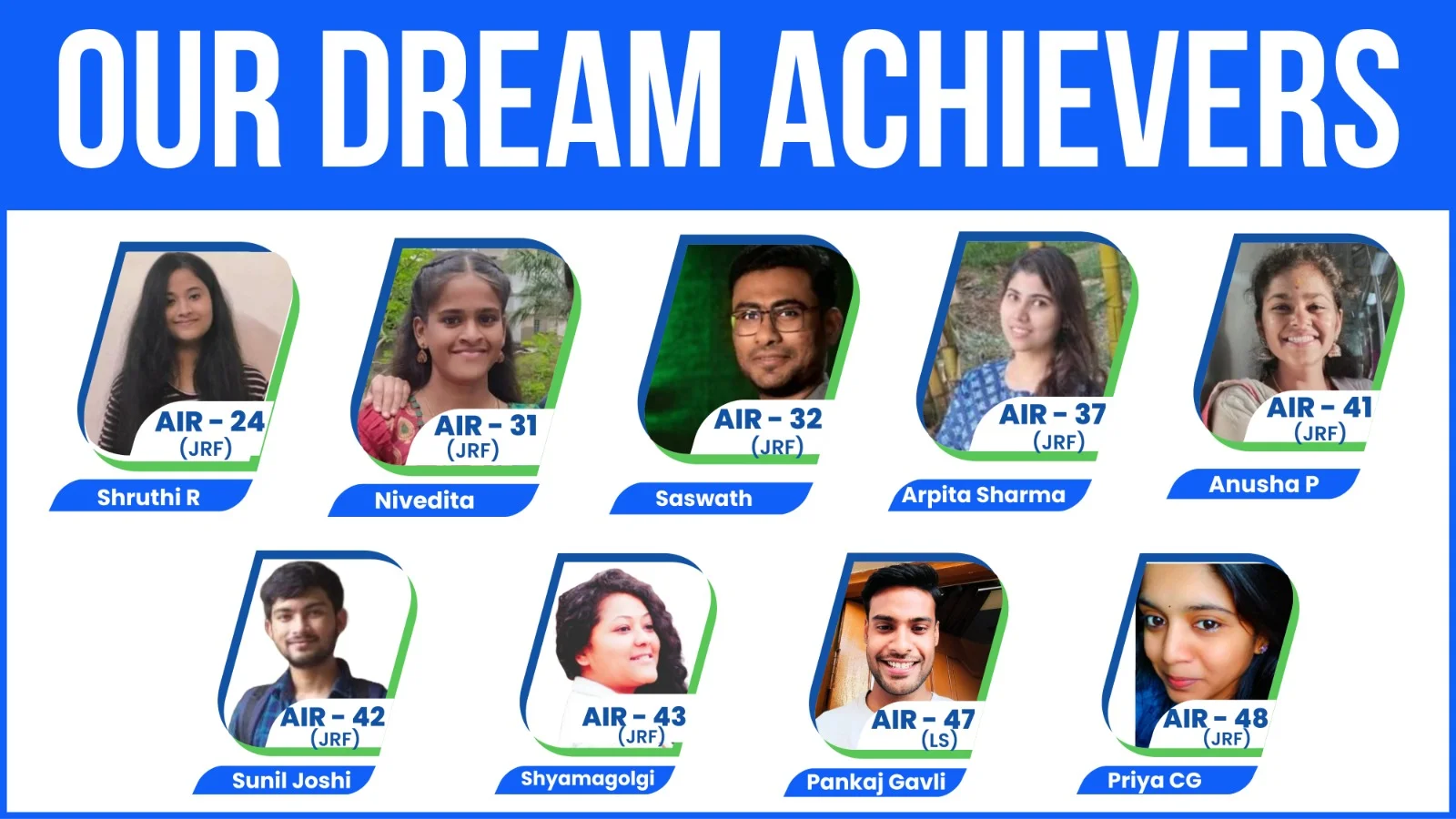
When it comes to expert coaching for competitive biology exams in Telangana and Andhra Pradesh, Chandu Biology Classes stands out as one of the most trusted institutes. Located in Narayanguda, Hyderabad, the institute has produced some remarkable results — including AIR 1, AIR 2, and AIR 4 in IIT JAM Biotechnology, and a 40% CSIR NET JRF qualification rate from a single batch.
With over 4,500 students trained and an experienced faculty team led by Dr. Chandra Sekhar (CEO and Founder), Chandu Biology Classes has built a strong reputation for producing toppers across CSIR NET, IIT JAM, GATE, TSSET, and state-level competitive exams — including APPSC JL Botany and Zoology.
Why Students Choose Chandu Biology Classes for APPSC JL
Subject-Specific Expert Faculty
The institute has dedicated subject faculty for Biology, Botany, and Zoology who bring deep conceptual clarity to every topic in the APPSC JL syllabus. Classes are designed to cover the entire syllabus in a structured, time-bound manner.
Comprehensive Study Material
Students receive well-organized printed notes that align directly with the APPSC JL Botany Zoology 2026 syllabus. The material is designed to be exam-focused and easy to revise.
Regular Mock Tests and Previous Year Paper Practice
Mock tests are held regularly to simulate the actual exam environment. Faculty provide detailed performance feedback, helping students identify and address weak areas quickly.
Both Online and Offline Batches
Whether you are based in Hyderabad or in any other city across Andhra Pradesh or Telangana, Chandu Biology Classes accommodates both formats:
- Online Coaching Fees: Rs. 25,000
- Offline Coaching Fees: Rs. 30,000
Doubt Clearing and Personal Mentoring
Students have access to dedicated doubt-clearing sessions. Faculty members personally track student progress and provide individual guidance throughout the course.
Proven Track Record Across Multiple Exams
While the institute is known for CSIR NET and IIT JAM results, their biology coaching framework is equally effective for APPSC JL Botany Zoology 2026 since the core subject content overlaps significantly.
To know more about batch schedules, admission, and demo classes, candidates can visit the institute directly in Narayanguda, Hyderabad, or reach out through their official communication channels.
Important Tips for APPSC JL Paper I (General Studies)
Many candidates focus entirely on the subject paper and neglect General Studies. This is a costly mistake. Paper I carries 150 marks and can make a significant difference in the final merit list. Here are some quick tips:
- Read one good newspaper daily — The Hindu or Indian Express work well
- Focus on AP-specific current affairs — state government schemes, new policies, and recent developments
- Practice reasoning and data interpretation questions regularly
- Revise Indian polity basics — Constitution, fundamental rights, Parliament
- Cover economic surveys and budget highlights for the current year
- Practice English grammar and Telugu language sections consistently
Common Mistakes to Avoid in APPSC JL Preparation
Ignoring Paper I: Many biology students spend all their time on subject paper and score poorly in General Studies, losing their edge in the merit list.
Not Practicing MCQs: APPSC JL is an objective exam. Reading theory alone is not enough. Practice hundreds of MCQs in each topic.
Skipping Ecology and Environmental Biology: These topics carry good weightage and are relatively easier to score in. Do not skip them.
Starting Too Late: Given the vast syllabus, candidates who start preparation just two or three months before the exam struggle to cover everything. Start as early as possible.
Not Checking Official Notifications: Many candidates rely on unofficial sources and miss important updates about eligibility changes, exam date shifts, or syllabus modifications. Always verify from the official APPSC website.
Frequently Asked Questions About APPSC JL Botany Zoology 2026
Here are the most trending questions students are currently searching for regarding APPSC JL Botany Zoology 2026:
Q1. What is the educational qualification required for APPSC JL Botany and Zoology?
Candidates need a postgraduate degree (M.Sc.) in Botany or Zoology from a recognized university. Some notifications may also accept M.Sc. Life Sciences candidates — always verify from the official notification.
Q2. What is the age limit for APPSC JL 2026?
The general age limit is 18 to 42 years. Reserved category candidates receive age relaxation as per AP government norms.
Q3. Is there negative marking in the APPSC JL exam?
Negative marking norms vary from notification to notification. Candidates should check the official APPSC JL 2026 notification to confirm whether there is negative marking and if so, how much deduction applies per wrong answer.
Q4. What is the salary of an APPSC Junior Lecturer in Botany or Zoology?
The pay scale for APPSC JL posts is approximately Rs. 28,940 to Rs. 78,910 per month. With all allowances, the gross in-hand salary ranges between Rs. 35,000 to Rs. 45,000 per month approximately.
Q5. How many papers are there in the APPSC JL exam?
There are two papers: Paper I (General Studies and General Abilities) worth 150 marks, and Paper II (Subject paper — Botany or Zoology) worth 300 marks. Both are objective type.
Q6. Is there an interview round in APPSC JL selection?
No. The APPSC JL selection process is based entirely on written examination marks. There is no interview or personality test round.
Q7. Can I appear for both Botany and Zoology papers separately?
Generally, APPSC requires candidates to apply for one specific subject. However, if the official notification allows cross-subject applications based on eligibility, candidates can apply for both. Always check the official notification for subject-specific rules.
Q8. Where can I find the best coaching for APPSC JL Botany Zoology 2026 in Hyderabad?
Chandu Biology Classes in Narayanguda, Hyderabad, is one of the most reputed coaching institutes for biology competitive exams in Telangana and Andhra Pradesh. They offer both online and offline batches for APPSC JL preparation.
Q9. What is the syllabus for APPSC JL Zoology 2026?
The Zoology paper covers animal diversity, cell biology, genetics, animal physiology, developmental biology, immunology, molecular biology, biotechnology, ecology, evolution, and ethology. The complete topic-wise syllabus is covered in detail in this article.
Q10. When will the APPSC JL 2026 notification be released?
The exact date for the APPSC JL 2026 notification release has not been officially announced at the time of writing. Candidates should regularly check the official APPSC website at psc.ap.gov.in for the latest updates.
Q11. How many months of preparation is enough for APPSC JL Botany Zoology?
Ideally, candidates should prepare for a minimum of 8 to 12 months for the APPSC JL exam. The syllabus is extensive, and thorough coverage along with regular revision and mock test practice requires adequate time.
Q12. Are the APPSC JL posts permanent government jobs?
Yes. APPSC Junior Lecturer posts are permanent government positions under the Department of Intermediate Education, Andhra Pradesh. They come with all the benefits of a state government job including pension, medical benefits, and job security.
Conclusion: Start Your APPSC JL Botany Zoology 2026 Preparation Today
The APPSC JL Botany Zoology 2026 exam is a life-changing opportunity for biology postgraduates in Andhra Pradesh. A government teaching career at the junior college level is not just financially rewarding — it is a profession that carries respect, stability, and the joy of shaping young scientific minds.
But this opportunity comes to those who prepare with seriousness and strategy. The syllabus is vast, the competition is growing, and every mark counts in the final merit list. Whether you choose to study independently or enroll in a structured coaching program, the key is to start early, stay consistent, and practice relentlessly.
If you are looking for expert guidance and a proven coaching framework, Chandu Biology Classes in Narayanguda, Hyderabad, offers dedicated batches for APPSC JL Botany and Zoology with both online and offline options. Online coaching is available at Rs. 25,000 and offline classroom coaching at Rs. 30,000. With experienced faculty, comprehensive study material, and a strong track record across competitive biology exams, the institute is a trusted choice for serious aspirants across Telangana and Andhra Pradesh.
Do not wait for the notification to start preparing. Begin today, build your foundation strong, and walk into the exam hall with confidence.
Best of luck for your APPSC JL Botany Zoology 2026 journey!
Disclaimer: All information provided in this article regarding APPSC JL Botany Zoology 2026, including syllabus details, exam pattern, eligibility criteria, salary figures, and selection process, has been compiled from publicly available sources on the internet for general informational purposes only. This content is intended to guide aspirants in their preparation journey. Candidates are strongly advised to refer to the official APPSC website (psc.ap.gov.in) and the official notification for the most accurate, updated, and authoritative information before making any decisions related to their application or preparation. The publisher does not take responsibility for any discrepancies between the information provided here and the official notification.
