
If you are a biotechnology student standing at the crossroads of your academic career, wondering whether to pursue higher studies, a PSU job, or a research fellowship, there is one exam that can open all these doors simultaneously — GATE Biotechnology (GATE BT).
GATE (Graduate Aptitude Test in Engineering) in Biotechnology is not just another competitive exam. It is a passport to IITs, IISc, NITs, and top research institutions across the country. It qualifies you for prestigious fellowships like CSIR, DBT, and ICMR. It puts your name in front of PSUs and government research departments that are actively looking for skilled biotechnology graduates. And increasingly in 2025, it is becoming the single most important credential a biotechnology student can carry.
But here is the honest truth that most students discover too late — GATE Biotechnology is brutally competitive. The syllabus is vast, covering everything from molecular biology and genetics to bioprocess engineering and biostatistics. The questions are not straightforward. They demand deep conceptual understanding, numerical problem-solving ability, and razor-sharp time management.
This is exactly where the right GATE Biotechnology coaching makes a difference that no amount of self-study alone can replicate.
This comprehensive guide will walk you through everything — the exam pattern, the syllabus breakdown, preparation strategies, how to choose the right coaching institute, why Chandu Biology Classes is the name that serious GATE BT aspirants trust, and answers to the trending questions students across India are searching for right now.
What Is GATE Biotechnology? A Quick Snapshot
GATE Biotechnology, also known as GATE BT, is conducted by the organizing IIT on behalf of the National Coordination Board — GATE, Department of Higher Education, Ministry of Education. It tests a candidate’s comprehensive understanding of undergraduate-level biotechnology.
Exam Format:
- Duration: 3 hours
- Total Marks: 100
- Total Questions: 65
- MCQs (Multiple Choice Questions): Negative marking of 1/3
- MSQs (Multiple Select Questions): No negative marking
- NAT (Numerical Answer Type): No negative marking
- Sections: General Aptitude (15 marks) + Core Subject (85 marks)
Key Uses of GATE BT Score:
- Admission to M.Tech/M.E. programs in IITs, IISc, NITs, and centrally funded technical institutions
- Direct PhD admissions at premier institutes
- Junior Research Fellowship (JRF) positions at CSIR labs and DBT-funded projects
- Recruitment in PSUs like BPCL, ONGC, IOCL (for relevant biotechnology and biochemical engineering roles)
- Faculty positions at various technical universities that require GATE qualification
The GATE score remains valid for three years, giving students multiple opportunities to use a single good score.
GATE Biotechnology Syllabus: Understanding the Battleground
Before you talk about strategy or coaching, you need to understand what you are up against. The GATE BT syllabus is divided into the following major sections:
1. Engineering Mathematics
- Linear Algebra
- Calculus
- Differential Equations
- Probability and Statistics
- Numerical Methods
2. General Biotechnology
- Biochemistry (Biomolecules, Metabolism, Enzymology)
- Microbiology (Microbial diversity, Cell structure, Growth kinetics)
- Cell Biology (Cell signaling, Cell cycle, Organelles)
- Molecular Biology and Genetics (DNA replication, Transcription, Translation, Gene regulation, Recombinant DNA technology)
- Analytical Techniques (Chromatography, Spectroscopy, Electrophoresis, Centrifugation)
- Immunology (Antibodies, Antigen-antibody interactions, Vaccines)
- Bioinformatics (Sequence alignment, Databases, Phylogenetics)
3. Recombinant DNA Technology
- Restriction enzymes, Vectors, Cloning strategies
- PCR and its variants
- Gene expression systems
- Genome editing (CRISPR-Cas9 and related tools)
- Transgenic organisms
4. Plant and Animal Biotechnology
- Tissue culture (both plant and animal)
- Transgenic plants and animals
- Hybridoma technology
- Cell line maintenance and applications
5. Bioprocess Engineering and Process Biotechnology
- Bioreactor design and operation
- Sterilization methods
- Downstream processing
- Scale-up principles
- Fermentation technology
This is an enormous syllabus. Each topic requires both conceptual clarity and the ability to solve numerical problems under examination conditions. This is one of the core reasons why structured GATE Biotechnology coaching is not a luxury — it is a necessity for any serious aspirant.
Why Self-Study Alone Often Fails GATE BT Aspirants
Many students begin their GATE preparation with full confidence in their self-study abilities. They download previous year papers, buy a few standard textbooks, and create a timetable. But within a few months, a familiar pattern emerges:
1. Syllabus Overwhelm The sheer breadth of GATE BT means that without a guided curriculum, most students either spend too much time on low-weightage topics or completely miss high-yield areas.
2. No Benchmark for Progress Without regular testing against other serious aspirants, it is impossible to know where you actually stand. Studying in isolation gives you false confidence or unnecessary anxiety — neither of which helps you crack the exam.
3. Weak Numerical Problem-Solving GATE BT is not a biology exam alone. The engineering mathematics section and bioprocess engineering problems require consistent numerical practice. Most biology students have a significant gap here, and self-study rarely bridges it effectively.
4. No Expert Clarification When you get stuck on a concept — and you will get stuck, repeatedly — there is no substitute for a subject matter expert who can explain it in five different ways until you understand it completely.
5. Motivation and Accountability GATE preparation spans 6 to 18 months depending on when you start. Sustaining motivation alone, without a structured environment and peer competition, is extraordinarily difficult.
This is why choosing the right GATE Biotechnology coaching program is one of the most important decisions you will make as an aspirant.
How to Choose the Right GATE Biotechnology Coaching
Not all coaching institutes are built equal. Here is a framework for evaluating your options:
Faculty Quality
The most important factor by far. Your teachers should not just be academically qualified — they should understand the GATE examination pattern deeply, know which topics carry maximum weight, and be able to explain complex concepts with simplicity and clarity.
Curriculum Design
A good coaching program should follow a structured, phased curriculum — starting with foundational concepts, moving to advanced topics, and culminating in rigorous revision and mock testing. There should be clear milestones.
Study Material
The quality and completeness of printed and digital study material matters enormously. You need material that is specifically designed for GATE BT — not repurposed college notes or generic biology content.
Test Series and Mock Exams
Regular mock tests that simulate actual GATE conditions are non-negotiable. Analysis of these tests — understanding which topics you are weak in, your time management patterns, your accuracy versus speed — is where real improvement happens.
Batch Size and Personal Attention
Smaller batches mean more personal attention, more doubt-clearing, and better tracking of individual progress.
Mode of Learning — Online vs Offline
In today’s world, both online and offline modes have distinct advantages. Online coaching offers flexibility, access from anywhere in India, and often lower costs. Offline coaching offers direct interaction, a focused study environment, and stronger peer accountability.
Track Record and Student Results
Ask for data. How many students from this institute have qualified GATE BT? What were their ranks? Are there testimonials and verifiable results?
Chandu Biology Classes: The Trusted Name in GATE Biotechnology Coaching
When it comes to GATE Biotechnology coaching, one name consistently comes up among serious aspirants — Chandu Biology Classes.
Chandu Biology Classes has established itself as a dedicated, student-first coaching program specifically designed for GATE Biotechnology aspirants. Unlike large generic coaching factories that treat GATE BT as an afterthought, Chandu Biology Classes focuses with laser precision on this exam — its pattern, its weightage distribution, its numerical demands, and the conceptual depth required to score in the top ranks.
What Makes Chandu Biology Classes Different?
Deeply Specialized Curriculum The curriculum at Chandu Biology Classes is built from the ground up around the GATE BT syllabus. Every topic, every subtopic, every type of question pattern is covered systematically. Nothing is left to chance. Students move through the syllabus in a logical sequence that builds understanding progressively.
Expert Faculty with GATE-Specific Orientation The teaching at Chandu Biology Classes is not generic. The faculty understands exactly what GATE examiners are looking for. They know the difference between what you study in your undergraduate classes and what GATE actually tests — and they train you specifically for the latter.
Both Online and Offline Modes Available Understanding that students come from across India and have different learning preferences, Chandu Biology Classes offers both online and offline coaching options.
- Online GATE Biotechnology Coaching Fees: ₹25,000
- Offline GATE Biotechnology Coaching Fees: ₹30,000
These fee structures are straightforward, with no hidden charges and no complicated installment traps. The online program gives you full access to live and recorded lectures, study materials, test series, and doubt-clearing sessions — all accessible from wherever you are in India. The offline program gives you the added advantage of direct classroom interaction, face-to-face doubt sessions, and a focused learning environment.
Rigorous Mock Test Series One of the most critical components of GATE preparation is practice under real exam conditions. Chandu Biology Classes provides a comprehensive mock test series that mirrors the actual GATE exam in terms of difficulty level, pattern, time constraints, and question types. Each test is followed by detailed performance analysis.
Regular Doubt-Clearing Sessions No question goes unanswered. Regular doubt-clearing sessions ensure that students never stay stuck on a concept for long. The interactive nature of both the online and offline programs means that personalized attention is always available.
Focused Study Material The study material provided by Chandu Biology Classes is curated, concise, and examination-focused. It is designed to save you time by giving you exactly what you need — without overwhelming you with unnecessary information.
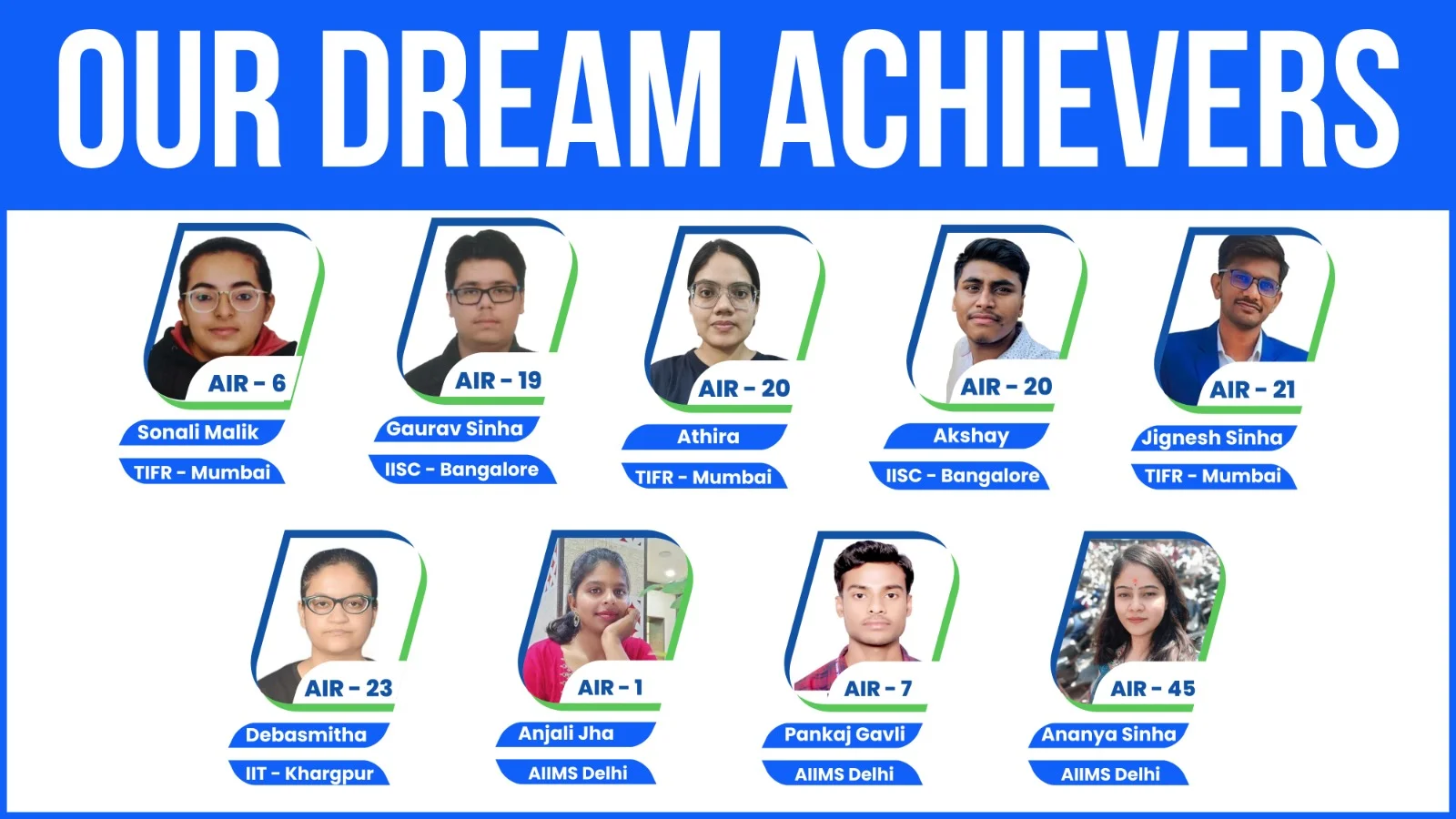
Consistent Results The students who have gone through Chandu Biology Classes’ GATE Biotechnology coaching program have consistently achieved strong GATE scores, with several qualifying for admissions to IITs, IISc, and NIT programs.
If you are serious about cracking GATE BT, Chandu Biology Classes is the coaching partner you need.
Month-by-Month GATE BT Preparation Strategy
Here is a realistic, structured preparation timeline for a student starting approximately 12 months before the GATE exam:
Months 1–3: Foundation Building
- Complete Engineering Mathematics with full conceptual understanding and numerical practice
- Begin Biochemistry — the largest and most high-weightage section
- Cover cell biology and microbiology fundamentals
- Start solving previous year GATE BT questions topic-wise
Months 4–6: Core Biotechnology Deep Dive
- Molecular biology and genetics — this is typically the highest-scoring section if mastered well
- Recombinant DNA technology — CRISPR, vectors, cloning, PCR variants
- Analytical techniques — know the principle, application, and numerical aspects of every major technique
- Immunology — all types of antibodies, complement system, hypersensitivity, vaccines
Months 7–9: Bioprocess Engineering and Applied Topics
- Bioreactor design, kinetics, sterilization — heavy on numericals
- Downstream processing, fermentation technology
- Plant and animal biotechnology
- Bioinformatics — sequence alignment algorithms, databases
Months 10–11: Revision and Mock Testing
- Full syllabus revision — use concise notes
- Attempt 2–3 full-length mock tests per week
- Analyze every mock test — identify weak areas and fix them
- Focus on improving speed and accuracy simultaneously
Month 12: Final Sprint
- Solve all previous 10 years of GATE BT question papers
- Focus only on high-weightage topics
- Practice general aptitude daily
- No new topics — only revision and consolidation
Topic-Wise Weightage Analysis for GATE BT
Understanding where the marks come from helps you allocate your preparation time intelligently:
| Section | Approximate Weightage |
|---|---|
| Biochemistry | 15–20% |
| Molecular Biology & Genetics | 15–18% |
| Recombinant DNA Technology | 10–12% |
| Bioprocess Engineering | 10–12% |
| Microbiology | 8–10% |
| Cell Biology | 8–10% |
| Immunology | 6–8% |
| Analytical Techniques | 6–8% |
| Plant & Animal Biotechnology | 5–7% |
| Bioinformatics | 4–6% |
| Engineering Mathematics | 10–13% |
| General Aptitude | 15% (fixed) |
This analysis makes it clear — Biochemistry, Molecular Biology, and Engineering Mathematics alone account for nearly 40–50% of the total marks. Mastering these three areas is the single most impactful thing you can do for your GATE BT score.
Important Books for GATE Biotechnology Preparation
While coaching provides structure and guidance, your reference books provide depth. Here are the most recommended books for GATE BT:
Biochemistry:
- Lehninger Principles of Biochemistry — Nelson and Cox
- Biochemistry — Stryer, Berg, Tymoczko
Molecular Biology:
- Molecular Biology of the Gene — Watson et al.
- Molecular Biology of the Cell — Alberts et al.
Microbiology:
- Prescott’s Microbiology
- Brock Biology of Microorganisms
Cell Biology:
- Cell and Molecular Biology — Gerald Karp
Bioprocess Engineering:
- Bioprocess Engineering — Shuler and Kargi
- Biochemical Engineering Fundamentals — Bailey and Ollis
Immunology:
- Immunology — Kuby
Engineering Mathematics:
- Higher Engineering Mathematics — B.S. Grewal
For GATE BT Specifically:
- GATE Life Sciences and Biotechnology — Arihant Publications
- Previous Year GATE BT Question Papers with Solutions
Career Opportunities After Clearing GATE Biotechnology
Let us talk about what is waiting for you on the other side of this exam — because this is what should fuel your preparation:
1. M.Tech at IITs and IISc IIT Bombay, IIT Delhi, IIT Kharagpur, IIT Madras, IIT Roorkee, IIT Guwahati, and IISc Bangalore all offer M.Tech programs in Biotechnology, Biochemical Engineering, and related disciplines for GATE-qualified students. These programs come with a monthly stipend of ₹12,400 and lead to excellent placement opportunities.
2. PhD Admissions GATE qualification opens the door to direct PhD admissions at IITs, IISc, IISER, ICMR institutes, CSIR labs, DBT institutes, and numerous other top research centers. PhD scholars receive fellowships ranging from ₹31,000 to ₹35,000 per month.
3. PSU and Government Jobs Several PSUs consider GATE scores for recruitment in relevant technical roles. Government departments and ministries related to science and technology also recognize GATE qualifications.
4. Research Fellowships GATE-qualified candidates are eligible for DBT-JRF, ICMR-JRF, and CSIR-JRF fellowships — these are highly competitive, well-funded positions at top research institutions.
5. Increased Employability Even in the private biotechnology and pharmaceutical sectors, GATE qualification signals academic rigor and technical competence, giving you a competitive edge in recruitment.
Common Mistakes GATE BT Aspirants Must Avoid
Ignoring Engineering Mathematics Many biotechnology students underestimate the mathematics section and pay for it with lost marks. Mathematics is entirely scorable — do not leave it.
Studying Without a Test Series Reading without testing is passive preparation. You need to write full-length mocks regularly to build exam temperament.
Attempting Too Many Sources One comprehensive book per subject, your coaching material, and previous year papers — that is all you need. Chasing multiple books leads to confusion and time wastage.
Not Revising Enough GATE BT requires multiple revisions of the entire syllabus. Students who study a topic once and move on forget 60–70% of it by exam day.
Waiting Too Long to Start The ideal time to start GATE BT preparation is during your third year of undergraduate studies. Waiting until your final semester leaves insufficient time for the depth of preparation this exam demands.
Frequently Asked Questions (FAQ) — Trending GATE Biotechnology Questions Students Are Searching
1. Is GATE Biotechnology difficult to crack?
GATE Biotechnology is moderately to highly difficult, but it is absolutely crackable with the right preparation strategy. The key challenge is the breadth of the syllabus combined with the depth of questions. Students who begin early, follow a structured curriculum, and practice rigorously with mock tests consistently achieve good scores. The average qualifying cutoff for GATE BT typically ranges between 25–35 marks out of 100, but a rank under 200 usually requires a score above 50–55.
2. What is the best coaching for GATE Biotechnology?
The best GATE Biotechnology coaching is one that offers a specialized curriculum designed specifically for GATE BT — not a generic science program. Chandu Biology Classes is widely regarded as one of the most focused and effective coaching programs for GATE BT, offering both online (₹25,000) and offline (₹30,000) programs with expert faculty, comprehensive study material, and a rigorous mock test series.
3. How many months of preparation is enough for GATE Biotechnology?
Most successful GATE BT candidates prepare for 9 to 12 months. Students who start in their third year of undergraduate studies and prepare alongside their coursework often find 12–15 months optimal. Students appearing in the exam after graduation can achieve a good score with 6–9 months of focused, full-time preparation.
4. What is the GATE BT syllabus for 2025?
The GATE BT 2025 syllabus covers Engineering Mathematics, General Biotechnology (Biochemistry, Microbiology, Cell Biology, Molecular Biology and Genetics, Analytical Techniques, Immunology, Bioinformatics), Recombinant DNA Technology, Plant and Animal Biotechnology, and Bioprocess Engineering and Process Biotechnology. The General Aptitude section is common to all GATE papers.
5. Is coaching necessary for GATE Biotechnology?
While some exceptional students do crack GATE BT through self-study, the majority of high-rank achievers have credited structured coaching for their success. The complexity of the syllabus, the need for regular benchmarking through mock tests, and the importance of expert guidance on high-weightage topics make GATE Biotechnology coaching a significant advantage rather than an optional add-on.
6. What is the fees for GATE Biotechnology coaching at Chandu Biology Classes?
Chandu Biology Classes offers online GATE Biotechnology coaching at ₹25,000 and offline GATE Biotechnology coaching at ₹30,000. These are comprehensive program fees that include study material, live/recorded lectures, doubt sessions, and the complete mock test series.
7. Can I crack GATE BT in the first attempt?
Absolutely yes. Many students crack GATE BT in their very first attempt, especially those who begin preparation early and follow a disciplined, coached preparation plan. The key factors are starting with a clear study plan, joining a reputed coaching program like Chandu Biology Classes, practicing numericals consistently, and taking regular mock tests.
8. What is a good score in GATE Biotechnology?
A score above 50 out of 100 in GATE BT is generally considered good and places you in competitive territory for admissions at NIT-level institutions. A score above 60 is typically required for consideration at IIT programs, and a score above 65–70 gives you a strong shot at top IITs. Normalized scores (GATE Score, not marks) above 600 out of 1000 are considered excellent.
9. After GATE Biotechnology, which IIT is best?
IIT Bombay, IIT Delhi, IISc Bangalore, IIT Kharagpur, and IIT Madras are consistently ranked as the top choices for M.Tech in Biotechnology. Each has strong research infrastructure, industry connections, and placement records. The choice depends on your area of specialization — for example, IIT Bombay is excellent for chemical and biochemical engineering, while IISc is the gold standard for pure research.
10. Is GATE BT valid for DBT JRF?
GATE Biotechnology score is accepted for DBT-JRF (Department of Biotechnology Junior Research Fellowship) applications. GATE BT-qualified candidates who meet the cutoff set by DBT in a given year are eligible for this fellowship, which supports research at universities and national research institutions. This is one of the most attractive career pathways for GATE BT-qualified candidates interested in research careers.
11. What is the difference between GATE BT and GATE XL?
GATE BT (Biotechnology) is a standalone paper specifically designed for biotechnology graduates, while GATE XL (Life Sciences) is a broader paper covering life sciences subjects that can be taken by students from various biology disciplines including Biochemistry, Botany, Zoology, and Microbiology. Biotechnology students generally find GATE BT more aligned with their undergraduate curriculum and therefore more advantageous.
12. How to prepare for bioprocess engineering in GATE BT?
Bioprocess engineering is a numerically heavy section that many pure biology students struggle with. The key is to first build a strong conceptual foundation in bioreactor design, kinetics, and sterilization theory, and then practice extensively with numerical problems from previous year GATE papers and standard textbooks like Shuler and Kargi. Joining a GATE Biotechnology coaching program that dedicates proper time to bioprocess numericals is highly recommended.
Final Thoughts: Your GATE BT Journey Starts With the Right Decision
GATE Biotechnology is one of the most life-changing exams a biotechnology student can take. It is not easy — but it is eminently conquerable with the right preparation, the right resources, and the right guidance.
The journey from where you are today to a GATE BT rank that opens doors to IITs, IISc, prestigious fellowships, and a research career of your choosing is absolutely possible. Thousands of students walk that journey every year. The ones who succeed are not necessarily the most naturally gifted — they are the most strategically prepared.
Start early. Follow a structured plan. Practice relentlessly. Choose the right coaching.
For students who are serious about cracking GATE BT with expert guidance, Chandu Biology Classes offers a focused, result-oriented GATE Biotechnology coaching program in both online (₹25,000) and offline (₹30,000) modes. With specialized curriculum, experienced faculty, comprehensive study material, and a rigorous mock test series, Chandu Biology Classes equips you with everything you need to walk into the GATE exam hall with confidence.
Your GATE BT rank is waiting. The question is — are you going to go get it?
