
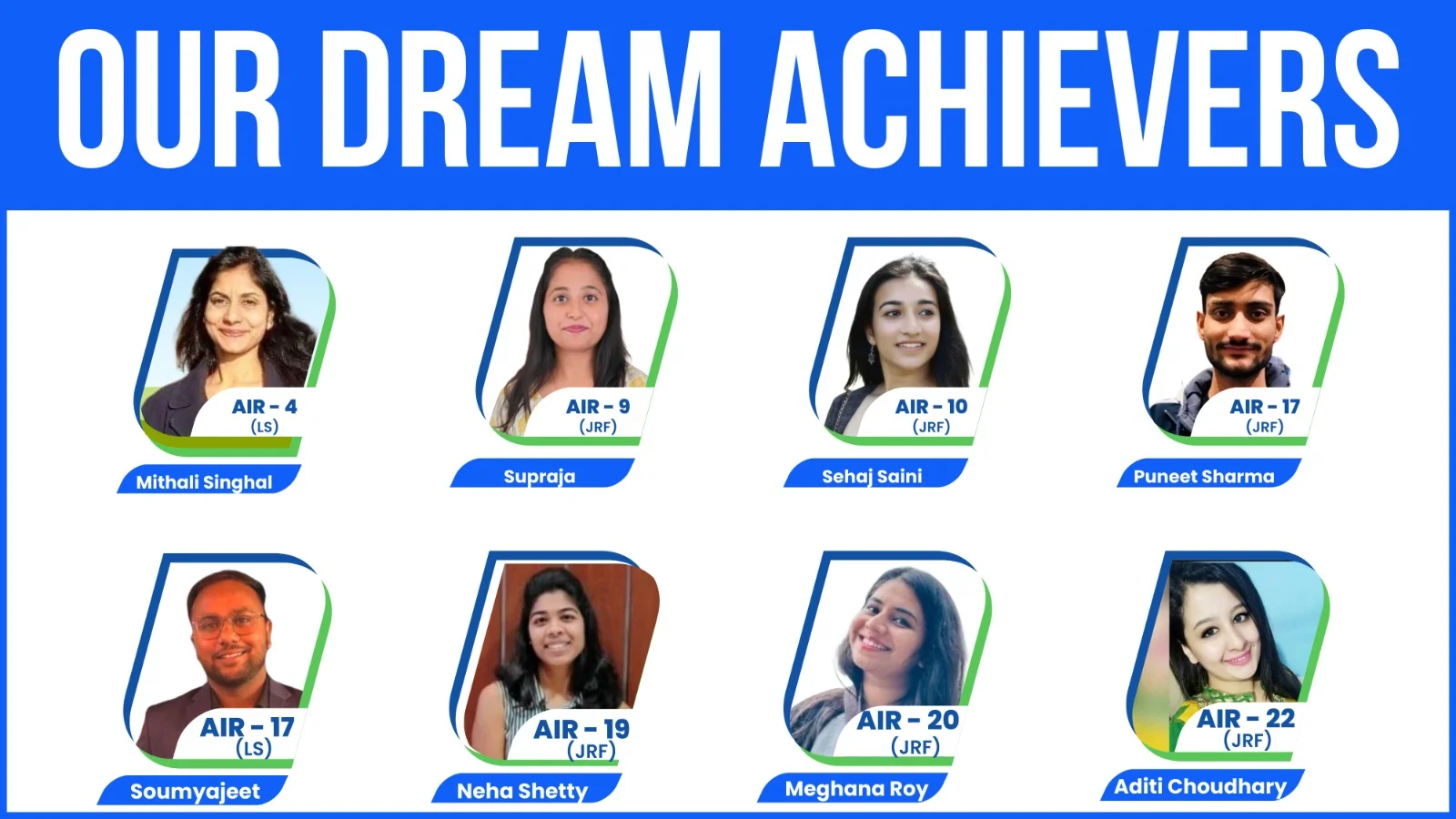
Struggling to find the right GATE Life Science study material? You’re not alone. Every year, thousands of aspirants sit for the GATE Life Sciences (XL) exam, and only those who follow a structured, syllabus-aligned preparation strategy make it to the top. Whether you’re a final-year biology student, a working professional aiming for research institutes, or someone eyeing IIT/IISc admissions — this guide is written specifically for you.
This comprehensive article covers the latest 2026 GATE Life Science syllabus, the best study materials, preparation strategy, and how expert coaching from Chandu Biology Classes can fast-track your success.
Let’s dive deep.
What is GATE Life Science (XL Paper)?
GATE (Graduate Aptitude Test in Engineering) Life Science falls under the XL paper category, which stands for Life Sciences. It is one of the most sought-after papers among biology graduates and postgraduates who wish to pursue:
- M.Tech / M.S. programs at IITs, NITs, and IISERs
- Junior Research Fellowship (JRF) at CSIR labs
- Scientist positions in government research organizations like DBT, ICMR, and DST
- PhD admissions at premier institutions across India
The GATE XL paper is unique because it consists of compulsory sections (General Aptitude and Chemistry) and optional life science sections from which candidates choose two.
Understanding this structure is the first and most important step before selecting your GATE Life Science study material.
GATE Life Science 2025 Latest Syllabus — Section-Wise Breakdown
One of the biggest mistakes students make is studying from outdated or incorrect syllabus sources. The 2026 GATE Life Science syllabus has been carefully curated by IIT/IISc and reflects current trends in biological sciences. Here is the complete and updated syllabus:
Section 1: General Aptitude (GA) — Compulsory (15 Marks)
This section is common to all GATE papers and tests:
- Verbal Ability: English grammar, sentence completion, verbal analogies, critical reasoning, word groups
- Numerical Ability: Numerical computation, data interpretation, numerical reasoning, elementary mathematics
Tip: Never underestimate GA. Many students lose easy marks here because they don’t prepare. Aim for a full score in this section.
Section 2: Chemistry (XL-P) — Compulsory (25 Marks)
This is a mandatory section for all XL paper candidates.
Topics include:
- Atomic structure and periodicity
- Structure and bonding
- s, p, d, and f block elements
- Chemical equilibria
- Electrochemistry
- Reaction kinetics
- Thermodynamics
- Structure-reactivity correlations in organic molecules
- Stereochemistry
- Spectroscopy basics (UV-Vis, IR, NMR)
Section 3: Biochemistry (XL-Q)
This is one of the most popular optional sections chosen by life science students.
Topics covered:
- Organization of life: Cell theory, prokaryotes vs eukaryotes, viruses
- Biomolecules: Structure and function of carbohydrates, proteins, lipids, and nucleic acids
- Enzyme kinetics: Michaelis-Menten equation, enzyme inhibition, regulatory enzymes
- Bioenergetics: Glycolysis, TCA cycle, oxidative phosphorylation, photosynthesis
- Membrane transport: Active and passive transport, ion channels, signaling
- Hormones and signaling pathways: cAMP, IP3/DAG, MAP kinase, receptor types
- Vitamins and coenzymes
- DNA replication, transcription, translation — molecular mechanisms
- Gene expression regulation in prokaryotes and eukaryotes
- Recombinant DNA technology: PCR, cloning, ELISA, Southern/Northern/Western blotting
Section 4: Botany (XL-R)
Topics covered:
- Plant systematics: Classification, nomenclature, phylogenetics
- Plant anatomy: Root, stem, leaf structure; secondary growth
- Morphogenesis and development: Embryogenesis, seed germination, flowering
- Physiology: Photosynthesis, respiration, mineral nutrition, water relations, plant hormones
- Reproduction: Sexual and asexual reproduction in angiosperms, alternation of generations
- Genetics: Mendelian genetics, linkage, chromosomal abnormalities
- Plant pathology: Important diseases, host-pathogen interactions
- Ecology: Plant communities, succession, ecosystems
Section 5: Microbiology (XL-S)
Topics covered:
- Historical milestones in microbiology
- Cell biology: Structure of bacterial and viral cells
- Microbial nutrition and growth: Growth curve, media types, culture techniques
- Metabolic pathways: Fermentation, aerobic and anaerobic respiration
- Microbial genetics: Transformation, transduction, conjugation
- Virology: Structure, replication cycles of bacteriophages and animal viruses
- Immunology: Innate and adaptive immunity, antibody structure and function, MHC, vaccines
- Pathogenicity: Virulence factors, Koch’s postulates
- Microbial ecology and biotechnology applications
Section 6: Zoology (XL-T)
Topics covered:
- Animal world: Classification and body plan organization
- Evolution: Theories, natural selection, speciation, molecular evolution
- Genetics: Mendelian genetics, sex determination, mutations, population genetics
- Biochemistry and molecular biology: DNA, RNA, protein synthesis
- Cell biology: Cell cycle, mitosis, meiosis, cell signaling
- Animal anatomy and physiology: Digestive, circulatory, respiratory, nervous, excretory, reproductive systems
- Parasitology: Major animal parasites and their life cycles
- Developmental biology: Fertilization, cleavage, gastrulation, organogenesis
- Ecology: Population dynamics, community ecology, ecosystems, wildlife conservation
Section 7: Food Technology (XL-U)
Topics covered:
- Food chemistry and nutrition
- Food microbiology
- Food products technology
- Food engineering and processing operations
How to Choose the Right Sections for GATE Life Science
Most biology graduates choose Biochemistry + Microbiology or Biochemistry + Zoology as their two optional sections. Here’s a quick guide:
| Background | Recommended Sections |
|---|---|
| Biochemistry / Biotechnology | XL-Q (Biochemistry) + XL-S (Microbiology) |
| Botany / Plant Sciences | XL-R (Botany) + XL-Q (Biochemistry) |
| Zoology / Animal Sciences | XL-T (Zoology) + XL-Q (Biochemistry) |
| Microbiology | XL-S (Microbiology) + XL-Q (Biochemistry) |
| Food Technology | XL-U (Food Technology) + XL-Q (Biochemistry) |
Biochemistry (XL-Q) is considered the backbone section because it overlaps with almost every other life science discipline and carries conceptual depth that benefits all candidates.
Best GATE Life Science Study Material — Topic-Wise Recommendations
Choosing the right GATE Life Science study material is absolutely critical. The market is flooded with random notes, YouTube videos, and PDFs — but not all of them align with the actual GATE 2026 syllabus or the difficulty level expected in the exam.
Here’s what expert toppers and faculty recommend:
For Biochemistry
- Lehninger Principles of Biochemistry by Nelson and Cox — The gold standard for understanding metabolic pathways, enzyme kinetics, and biomolecule structure
- Biochemistry by Stryer (Berg, Tymoczko, Stryer) — Excellent for signaling pathways and gene expression
- Harper’s Illustrated Biochemistry — Useful for clinical biochemistry concepts sometimes tested in GATE
For GATE-specific preparation: Stick to concept-based notes that filter the relevant content rather than reading entire textbooks. Topic summaries, flowcharts, and previous year question-aligned notes are far more effective for GATE.
For Microbiology
- Prescott’s Microbiology — Comprehensive and GATE-aligned
- Microbiology: An Introduction by Tortora, Funke & Case — Excellent for immunology and pathogenicity
- Brock Biology of Microorganisms — Advanced reading for microbial ecology and molecular microbiology
For Zoology
- Invertebrate Zoology by Jordan and Verma
- Vertebrate Zoology by Jordan
- Cell Biology by De Robertis
- Animal Physiology by Eckert
For Botany
- Plant Physiology by Taiz and Zeiger — Must-read for plant physiology section
- Plant Anatomy by Esau
- An Introduction to Plant Taxonomy by Lawrence
For General Aptitude
- Quantitative Aptitude by R.S. Aggarwal — For numerical ability
- Previous year GATE GA section questions — Highly effective
GATE Previous Year Question Papers
This is perhaps the single most important study material for GATE Life Science. Solving 10+ years of previous year papers helps you:
- Understand the pattern and difficulty level
- Identify high-weightage topics
- Improve time management
- Recognize repeated concept areas
Make it a habit to solve at least one full-length mock test every week in the last two months before your exam.
GATE Life Science Preparation Strategy — Month-by-Month Plan
Here is a realistic and result-oriented preparation plan for students who have approximately 6 to 8 months before the exam:
Months 1–2: Foundation Building
- Complete the entire GATE 2025 syllabus mapping
- Gather all necessary GATE Life Science study material and coaching resources
- Begin with Biochemistry (XL-Q) as it is conceptually heavy and needs more time
- Cover General Aptitude basics — 1 hour per day is sufficient
Months 3–4: Core Concept Mastery
- Complete your second optional section (Microbiology / Zoology / Botany)
- Revise Biochemistry topics and make concise notes
- Start practicing topic-wise MCQs from previous years
- Begin solving mock tests — at least 2 per month
Months 5–6: Revision and Mock Test Phase
- Full syllabus revision — focus on weak areas
- Solve 4–5 mock tests per month under timed conditions
- Chemistry (XL-P) intensive revision
- Daily 2-hour practice of MCQs from all sections
Final Month: Power Revision
- 2 full-length mock tests per week
- Revise only your own short notes — no new topics
- Focus on accuracy and time management
- Stay consistent with GA practice
Why Most Students Fail GATE Life Science — Common Mistakes
Even students who study hard often fail to crack GATE because of these avoidable errors:
- Following an outdated syllabus — Always check the official GATE 2025 notification for the latest syllabus
- Ignoring Chemistry (XL-P) — It is compulsory and carries 25 marks. Many students score poorly here
- Not solving previous year questions — Conceptual reading without practice leads to failure
- Poor time management in the exam — 65 questions in 3 hours means roughly 2.75 minutes per question
- Over-relying on a single book — GATE tests application, not rote learning
- No structured revision plan — Without revision, even well-studied topics are forgotten
- Studying without guidance — Self-study alone is often insufficient without expert mentorship
Chandu Biology Classes — The Best Coaching for GATE Life Science
When it comes to expert-guided preparation, Chandu Biology Classes stands out as one of the most trusted and result-oriented coaching platforms for GATE Life Science aspirants.
Why Choose Chandu Biology Classes?
Chandu Biology Classes has been producing consistent GATE toppers year after year. The teaching methodology is designed to make even the most complex biological concepts feel straightforward and exam-ready.
Here is what makes them the preferred choice for thousands of serious GATE Life Science students:
- Syllabus-aligned teaching: Every lecture strictly follows the latest GATE 2026 syllabus — no irrelevant content, no time wasted
- Conceptual clarity: The focus is on building strong foundations so students can tackle any type of MCQ confidently
- Previous year question analysis: Regular classes dedicated to solving and dissecting previous year GATE papers
- Regular mock tests: Timed mock tests that simulate actual GATE exam conditions
- Personalized doubt clearing: One-on-one doubt sessions ensure no student is left behind
- Concise and GATE-focused notes: Custom study material designed exclusively for GATE Life Science — no need to hunt for multiple books
- Experienced faculty: Deep subject expertise in Biochemistry, Microbiology, Zoology, Botany, and Chemistry
Chandu Biology Classes — Fee Structure
For students who are serious about cracking GATE Life Science with professional guidance, Chandu Biology Classes offers two modes of learning:
| Mode | Fee |
|---|---|
| Online Classes | ₹25,000 |
| Offline Classes | ₹30,000 |
The online batch is ideal for students from different cities or those who prefer studying from home with recorded lectures and live sessions. The offline batch offers a classroom environment with direct faculty interaction, which many students find highly effective for staying disciplined and motivated.
These fee structures are transparent, with no hidden charges. Compared to many big coaching institutes that charge anywhere from ₹60,000 to over ₹1,00,000, Chandu Biology Classes provides premium quality coaching at a very affordable price — making quality GATE preparation accessible to every serious aspirant regardless of their financial background.
How to Use GATE Life Science Study Material Effectively
Having access to the right resources is only half the battle. Here’s how to actually use your GATE Life Science study material to maximize your score:
1. Read Once, Practice Twice
For every topic you study, spend equal or more time solving MCQs on that topic. Passive reading doesn’t prepare you for GATE’s application-based questions.
2. Make Your Own Short Notes
As you study, maintain a dedicated notebook with:
- Key formulas and equations
- Important diagrams (biochemical pathways, cell structures)
- High-frequency facts (enzyme names, cofactors, metabolic intermediates)
- Mnemonics for classification and taxonomy
3. Topic-Wise Testing
After completing each topic, immediately solve 20–30 MCQs specific to that topic. This reinforces learning and identifies gaps.
4. Timed Mock Tests
Weekly mock tests under real exam conditions build speed, accuracy, and mental stamina. Analyze every test deeply — understand why wrong answers were wrong, not just what the right answer is.
5. Peer Discussion and Doubt Clearing
Join study groups or forums where GATE Life Science students discuss concepts. Teaching a concept to someone else is the fastest way to master it.
6. Leverage Expert Coaching
Self-study has limits. The right coaching — like that offered by Chandu Biology Classes — can reduce your preparation time significantly by giving you structured, exam-ready content and regular feedback.
Important Topics with Highest Weightage in GATE Life Science
Based on analysis of previous year GATE XL papers, the following topics consistently carry the highest marks and should be given maximum priority in your study plan:
Biochemistry (XL-Q):
- Enzyme kinetics (Km, Vmax, inhibition types)
- Metabolic pathways (glycolysis, TCA, ETC, photosynthesis)
- DNA replication and repair mechanisms
- Transcription and translation regulation
- Recombinant DNA techniques
Microbiology (XL-S):
- Microbial growth kinetics
- Bacteriophage replication cycles
- Immunoglobulin structure and antibody diversity
- Microbial genetics (conjugation, transformation, transduction)
- Antigen-antibody interactions and vaccines
Zoology (XL-T):
- Cell cycle regulation and checkpoints
- Developmental biology (cleavage types, gastrulation)
- Population ecology and genetics
- Animal physiology (nerve impulse, muscle contraction, hormonal regulation)
Botany (XL-R):
- Plant hormones and their mechanisms
- Photosynthesis (light and dark reactions, C3, C4, CAM)
- Water potential and osmosis
- Plant reproduction and development
Chemistry (XL-P):
- Thermodynamics and chemical equilibria
- Stereochemistry and organic reactions
- Spectroscopy interpretation
GATE Life Science 2025 Exam Pattern at a Glance
| Component | Details |
|---|---|
| Exam Mode | Computer-Based Test (CBT) |
| Duration | 3 Hours |
| Total Questions | 65 |
| Total Marks | 100 |
| Sections | GA (15 marks) + XL-P Chemistry (25 marks) + 2 optional sections (30 marks each) |
| Question Types | MCQ (1 or 2 marks), MSQ, NAT |
| Negative Marking | Yes — 1/3 for 1-mark MCQ, 2/3 for 2-mark MCQ; No negative for MSQ and NAT |
Knowing this pattern is crucial for smart preparation and effective use of your GATE Life Science study material.
Frequently Asked Questions (FAQ) — Trending Questions Students Are Searching
Q1. What is the best GATE Life Science study material for 2025?
The best approach is to combine standard reference textbooks (Lehninger for Biochemistry, Prescott for Microbiology) with GATE-specific concise notes and previous year papers. Expert coaching from institutes like Chandu Biology Classes provides custom study material that is directly aligned with the GATE 2025 syllabus, saving you significant time and effort.
Q2. Is GATE Life Science (XL) tough to crack?
GATE Life Science is moderately difficult. The exam tests conceptual understanding and application rather than rote memorization. With consistent preparation of 6–8 months, the right study material, and regular mock tests, cracking GATE XL with a good score is absolutely achievable.
Q3. Which two sections should I choose for GATE XL?
For most life science graduates, Biochemistry (XL-Q) + Microbiology (XL-S) is the most popular and scoring combination. Students with a botany or zoology background may prefer Biochemistry + Botany or Biochemistry + Zoology respectively.
Q4. How many hours should I study daily for GATE Life Science?
A minimum of 6–8 hours per day is recommended for serious GATE aspirants. This should include conceptual study, MCQ practice, and revision. In the final month, focus almost entirely on mock tests and revision.
Q5. Can I crack GATE Life Science through self-study?
Self-study is possible but challenging, especially for students without a strong biology foundation. Expert coaching from institutes like Chandu Biology Classes significantly increases your chances of success by providing structured content, doubt resolution, and test series that self-study alone cannot replicate.
Q6. What is the GATE Life Science cutoff score?
The cutoff score varies each year depending on difficulty level and the number of candidates. Generally, a GATE score above 500–550 (out of 1000) is considered good for IIT admissions and above 400 for NIT programs. CSIR lab fellowships and research institute admissions have their own specific cutoffs.
Q7. Are GATE Life Science notes available online?
Many websites offer free notes but the quality, accuracy, and syllabus alignment are often questionable. Coaching institutes like Chandu Biology Classes provide high-quality, GATE-specific notes as part of their course curriculum — both for online and offline students.
Q8. What is the GATE Life Science 2025 exam date?
GATE 2025 is typically conducted in February by one of the IITs on a rotational basis. The official notification is usually released around September of the preceding year. Always check the official GATE website for confirmed dates.
Q9. Does GATE Life Science have negative marking?
Yes. For MCQ questions, there is a negative marking of 1/3 mark for 1-mark questions and 2/3 mark for 2-mark questions. MSQ (Multiple Select Questions) and NAT (Numerical Answer Type) questions have no negative marking. Attempt NAT and MSQ questions more freely.
Q10. What career opportunities does GATE Life Science open?
A good GATE Life Science score opens doors to:
- M.Tech / M.S. / PhD admissions at IITs, IISERs, and NITs
- Junior Research Fellowship (JRF) at CSIR, DBT, ICMR labs
- Scientist B and other government research positions
- PSU recruitment in some organizations
- International university admissions (some accept GATE scores)
Q11. What is the syllabus for GATE Life Science 2025?
The GATE 2025 Life Science (XL) syllabus includes General Aptitude, compulsory Chemistry (XL-P), and five optional sections: Biochemistry (XL-Q), Botany (XL-R), Microbiology (XL-S), Zoology (XL-T), and Food Technology (XL-U). The complete section-wise syllabus is covered in detail in this article above.
Q12. How is GATE XL different from GATE BT (Biotechnology)?
GATE BT (Biotechnology) is a separate paper with its own syllabus focused specifically on biotechnology topics. GATE XL is broader and covers multiple life science disciplines. GATE BT is a single-section exam while GATE XL allows you to choose optional sections. Students from pure biology backgrounds usually prefer XL while biotechnology students may opt for BT.
Final Words — Your GATE Life Science Success Starts Today
The journey to cracking GATE Life Science is demanding — but it is absolutely achievable with the right GATE Life Science study material, a disciplined study schedule, and expert guidance.
Remember these key takeaways:
- Always follow the latest 2025 GATE Life Science syllabus — not outdated versions
- Choose your optional sections wisely based on your academic background
- Combine standard textbooks with GATE-specific notes and previous year papers
- Take regular mock tests and analyze your performance honestly
- Invest in quality coaching to fast-track your preparation
If you’re serious about cracking GATE Life Science and want structured, expert-led preparation at an affordable price, Chandu Biology Classes is the coaching destination you should explore. With online classes at ₹25,000 and offline classes at ₹30,000, they offer one of the best value-for-money GATE Life Science coaching programs available today.
The top rank you’re dreaming of is waiting — your preparation starts right now.
Disclaimer: All information provided in this article, including syllabus details, exam patterns, fee structures, and general preparation strategies, has been compiled from publicly available sources on the internet for informational and educational purposes only. While every effort has been made to ensure accuracy, readers are advised to verify all details — including syllabus, exam dates, and fee structures — from official sources such as the GATE official website and directly from the respective coaching institute before making any decisions. The author and publisher are not responsible for any discrepancies or changes that may occur after the publication of this article.
