
Every year, thousands of biology and life sciences graduates sit at their study tables wondering the same thing: “Is GATE even worth it for me?”
The answer, without any hesitation, is — absolutely yes.
GATE Life Sciences (XL paper) and GATE Biotechnology (BT paper) open doors that most graduates don’t even know exist. From PSU jobs offering CTC packages of ₹8–12 LPA at entry level, to research fellowships at IITs and IISc, to direct PhD admissions with stipends, to M.Tech seats in premier institutes — the GATE exam is arguably the single most powerful career tool available to a life sciences student today.
But here is the truth that nobody tells you upfront: life sciences is one of the toughest GATE papers to self-prepare for. Unlike engineering streams where you have a well-defined set of textbooks and decades of solved papers, GATE XL and BT demand a deep conceptual understanding across multiple disciplines — biochemistry, molecular biology, genetics, cell biology, ecology, microbiology, physiology, and more — all at once.
That is exactly why finding the GATE Life Sciences best coaching is not just helpful — it is often the difference between clearing the exam and spending another year wondering what went wrong.
This article is your complete roadmap. Whether you are a final-year BSc student, a fresh MSc graduate, or someone who has attempted GATE before without success, this guide will walk you through everything — the syllabus, the strategy, the common mistakes, the FAQ, and most importantly, where to get the coaching that actually works.
Understanding the GATE Life Sciences Exam: XL and BT Papers
Before you start preparing, you need to understand exactly what you are preparing for. GATE offers two major routes for life sciences students:
1. GATE XL (Life Sciences)
The XL paper has a unique structure. It contains:
- Section H (Compulsory): Chemistry — 15 marks
- Optional Sections (choose any two):
- Section I — Biochemistry
- Section J — Botany
- Section K — Microbiology
- Section L — Zoology
- Section M — Food Technology
- Section N — Ecology and Evolution (relatively newer addition)
Most students from biology backgrounds opt for Biochemistry + Zoology or Biochemistry + Microbiology depending on their academic background. Your section selection can significantly impact your score, so this is a strategic decision that requires guidance.
2. GATE BT (Biotechnology)
The BT paper is more integrated and covers:
- Engineering Mathematics
- General Aptitude
- Core Biotechnology: recombinant DNA technology, immunology, bioprocess engineering, plant and animal cell culture, bioinformatics, microbiology, biochemistry, molecular biology, and more
GATE BT is slightly more competitive in terms of number of applicants, but both papers reward depth of understanding over rote memorization.
The Challenges Unique to GATE Life Sciences Preparation
Here is something most students don’t fully appreciate until they are deep into preparation: GATE Life Sciences is not just a memory test. The examiners at IIT design questions that test:
- Application of concepts in unfamiliar contexts
- Data interpretation from graphs and experimental results
- Integration of knowledge across multiple topics (e.g., a question linking enzyme kinetics to metabolic disorders)
- Numerical problem-solving in biochemistry and genetics
This multi-layered nature of the exam is why a large number of serious, hardworking students still fail to clear GATE Life Sciences — not because they didn’t study, but because they studied in the wrong direction without the right mentorship.
This is where enrolling in GATE Life Sciences best coaching becomes a genuine game-changer.
What Makes a GATE Life Sciences Coaching Program Truly Effective?
Not all coaching institutes are created equal. When you are evaluating coaching options, here is what you should be looking for:
✅ Subject-Matter Expertise
Your faculty should have deep, research-level knowledge of life sciences topics — not just someone who has read the textbook. They should be able to explain mechanisms, exceptions, and experimental reasoning.
✅ GATE-Specific Curriculum Design
General biology knowledge and GATE-specific knowledge are different things. Good coaching maps every topic to GATE’s exact question pattern and weighs your time investment accordingly.
✅ Regular Mock Tests with Analysis
Practice without feedback is just repetition. The best coaching institutes provide full-length GATE mock tests followed by detailed performance analysis — identifying your weak areas so you can fix them before the real exam.
✅ Concept-Based Teaching Over Rote Learning
Since GATE tests application, your coaching should focus on why things work the way they do, not just what they are. A student who understands the logic behind PCR will always outperform a student who has merely memorized the steps.
✅ Affordable and Transparent Fee Structure
Quality education should not come at a price that puts students in debt. The best coaching programs offer genuine value — strong content, dedicated faculty, and exam support — at a fee that students can realistically afford.
✅ Updated Study Material
GATE syllabus and question patterns evolve subtly every year. Your coaching material needs to reflect the latest trends, including questions from the most recent GATE papers.
✅ Doubt Resolution and Mentorship
One of the biggest advantages of coaching over self-study is access to an expert when you are stuck. Consistent, responsive doubt resolution keeps your momentum going and prevents small confusions from becoming big knowledge gaps.
Chandu Biology Classes: The Name Students Trust for GATE Life Sciences Coaching
When students search for GATE Life Sciences best coaching, one name consistently comes up in biology communities, student forums, Telegram groups, and YouTube comment sections — Chandu Biology Classes.
And there is a very good reason for that.
Who Is Chandu Biology Classes?
Chandu Biology Classes is a dedicated life sciences coaching institution built specifically for students preparing for GATE XL, GATE BT, CSIR NET Life Sciences, and other competitive biology examinations. Unlike generic coaching centers that treat life sciences as an afterthought, Chandu Biology Classes is 100% focused on biology and life sciences competitive exams.
This specialization makes an enormous difference. Every resource, every lecture, every test, and every doubt session is designed around what a GATE or NET aspirant actually needs — nothing diluted, nothing irrelevant.
Why Students Choose Chandu Biology Classes
1. Deep Conceptual Teaching The teaching methodology at Chandu Biology Classes prioritizes understanding over memorization. Topics like signal transduction pathways, population genetics equations, enzyme mechanisms, and metabolic regulation are taught in a way that builds genuine comprehension — the kind that holds up under the pressure of GATE’s tricky application-based questions.
2. Comprehensive Coverage of GATE Syllabus Every single topic in the GATE XL and GATE BT syllabus is covered in structured, logical sequence. Students don’t have to scramble to find supplementary resources because the material is complete.
3. Regular Practice and Mock Tests Students at Chandu Biology Classes get regular chapter-wise tests, sectional mock tests, and full-length GATE-pattern mock exams. Each test comes with detailed solutions and performance insights.
4. Personalized Attention The batch sizes and teaching format at Chandu Biology Classes are designed to ensure that each student gets adequate attention. No student is left behind because the pace of the class moved too fast.
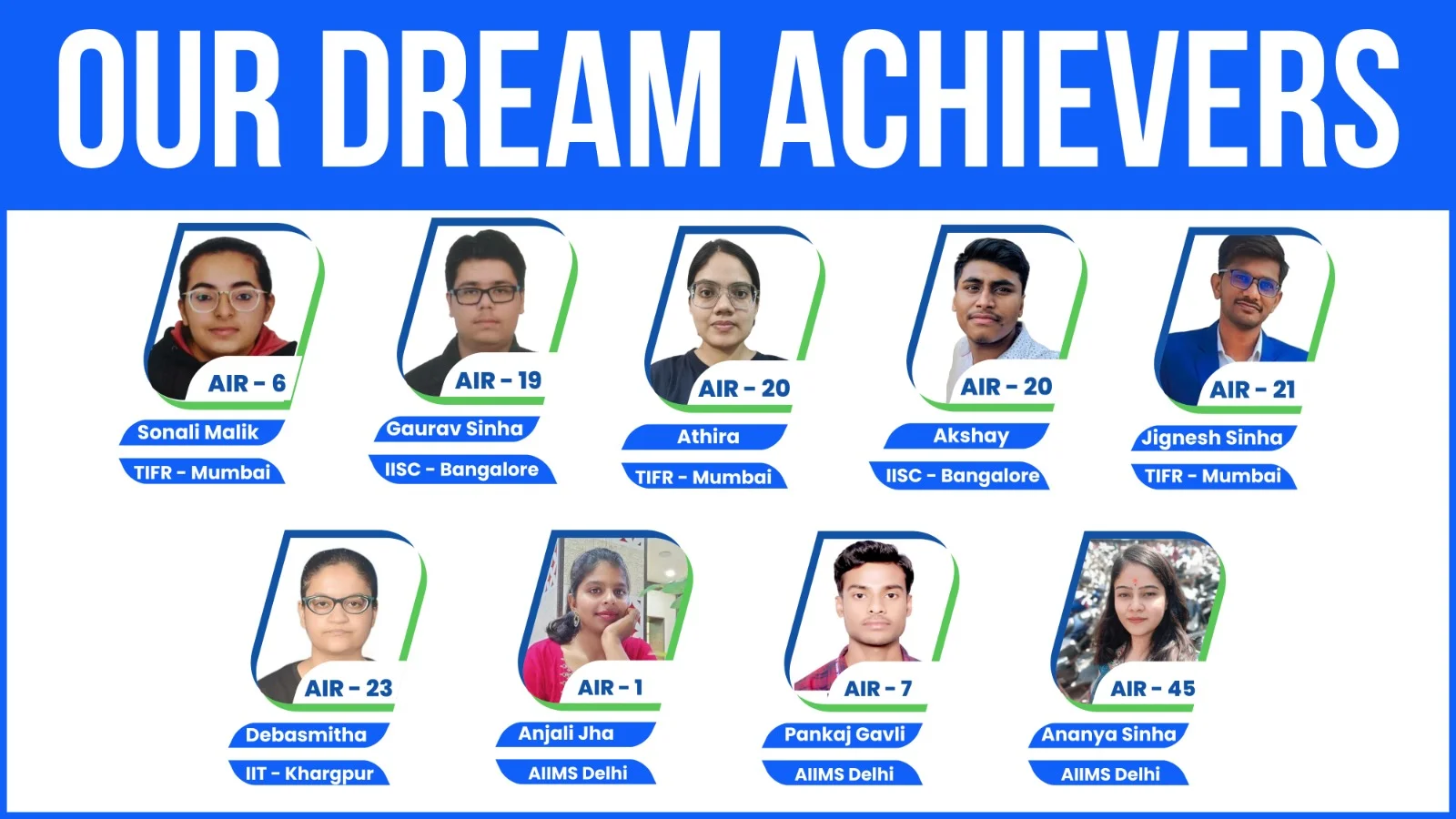
5. Proven Track Record The results speak for themselves. Students who have trained at Chandu Biology Classes have consistently performed well in GATE XL and GATE BT, earning ranks that opened doors to IITs, IISc, NII, NCBS, and other premier research institutions across India.
6. Both Online and Offline Modes Available Chandu Biology Classes understands that not every student can relocate for coaching. That is why they offer both online and offline coaching, ensuring that students from every corner of India can access the same quality of education.
Fee Structure at Chandu Biology Classes
One of the most frequently asked questions by students is about the cost of GATE Life Sciences coaching. Chandu Biology Classes believes in complete transparency when it comes to fees:
| Mode | Fee |
|---|---|
| Online Coaching | ₹25,000 |
| Offline Coaching | ₹30,000 |
This is an extremely competitive fee for the level of preparation, material, and mentorship that students receive. When you consider that a single year of poorly directed self-study could cost you another attempt — and another year of your career — the investment in quality coaching becomes a clear, rational decision.
There are no hidden charges, no surprise add-ons, and no separate fees for study material or test series within the enrolled program. What you pay is what you get — comprehensive, dedicated GATE Life Sciences coaching.
GATE Life Sciences Syllabus Breakdown: What You Need to Cover
Let’s walk through the major topics you need to master for GATE Life Sciences (XL) and GATE Biotechnology (BT). Understanding the scope of the syllabus is the first step toward building a smart preparation strategy.
Biochemistry (Section I — XL / Core topic in BT)
- Structure and function of biomolecules (amino acids, proteins, lipids, carbohydrates, nucleic acids)
- Enzyme kinetics: Michaelis-Menten, inhibition types, allosteric regulation
- Metabolism: glycolysis, TCA cycle, oxidative phosphorylation, gluconeogenesis, fatty acid metabolism
- Vitamins and cofactors
- Regulation of metabolic pathways
Molecular Biology and Genetics
- DNA replication, repair, and recombination
- Transcription and its regulation in prokaryotes and eukaryotes
- Translation: ribosome structure, genetic code, post-translational modifications
- Mendelian and non-Mendelian genetics
- Linkage, mapping, and population genetics
- Epigenetics: chromatin remodeling, DNA methylation, histone modifications
Cell Biology
- Cell organelle structure and function
- Cell cycle and its regulation (cyclins, CDKs, checkpoints)
- Cell signaling pathways (MAPK, PI3K, JAK-STAT, cAMP)
- Apoptosis mechanisms
- Cytoskeleton and cell motility
Microbiology
- Bacterial cell structure and function
- Microbial growth and its control
- Bacterial genetics: transformation, transduction, conjugation
- Viruses: structure, replication cycles (lytic and lysogenic)
- Microbial diversity and classification
Zoology (Section L — XL)
- Animal diversity and classification
- Animal physiology: digestion, circulation, respiration, excretion, nervous system, endocrine system
- Developmental biology: fertilization, embryogenesis, organogenesis
- Immunology: innate and adaptive immunity, antibody structure, complement system
Botany (Section J — XL)
- Plant anatomy and morphology
- Plant physiology: photosynthesis, respiration, water relations, mineral nutrition
- Plant hormones and their functions
- Plant reproduction and development
- Economic botany and plant pathology basics
Ecology and Evolution (Section N — XL)
- Population ecology: growth models, carrying capacity, interspecific interactions
- Community ecology: succession, biodiversity, food webs
- Evolutionary biology: natural selection, speciation, phylogenetics
- Conservation biology basics
Engineering Math and Bioprocess (BT paper)
- Calculus, probability, linear algebra, differential equations
- Fermentation technology, bioreactor design
- Downstream processing
- Mass and energy balances
A Month-by-Month GATE Life Sciences Preparation Strategy
Here is a practical, realistic study plan for a student starting 6 months before the GATE exam:
Months 1–2: Foundation Building
- Complete your core subjects: biochemistry, molecular biology, cell biology
- Focus on understanding mechanisms, not memorizing them
- Read NCERT and standard textbooks (Lehninger for biochemistry, Alberts for cell biology, Lodish for molecular biology)
- Enroll in coaching to ensure structured progress from day one
Months 3–4: Syllabus Completion + First Round of Practice
- Complete remaining topics: microbiology, genetics, zoology/botany as per your optional sections
- Start chapter-wise MCQ practice
- Attempt your first full mock test to benchmark yourself
- Identify weak areas and dedicate extra time to them
Month 5: Intensive Revision + Mock Test Series
- Revise all topics with focus on short notes and formulas
- Attempt 2–3 full mock tests per week
- Analyze every mistake thoroughly — understand why you got it wrong
- Focus especially on numerical problems and data interpretation questions
Month 6: Fine-Tuning and Exam Readiness
- Solve previous years’ GATE question papers (at least last 10 years)
- Focus on speed and accuracy under time pressure
- Revise high-weightage topics repeatedly
- Maintain sleep schedule and mental calm in the final stretch
Common Mistakes GATE Life Sciences Aspirants Make (And How to Avoid Them)
Mistake 1: Treating GATE like a university exam GATE questions are application-based. Students who mug up textbook paragraphs without understanding the underlying concepts almost always underperform. Solution: Spend more time on why and how, less time on what.
Mistake 2: Ignoring General Aptitude General Aptitude carries 15 marks in GATE — that’s a significant chunk. Many life sciences students ignore it completely and lose easy marks. Solution: Dedicate 30–45 minutes daily to GA topics in the first 3 months.
Mistake 3: Skipping numerical questions Many biology students have a mental block about calculations. But GATE BT and XL regularly feature numerical problems in genetics (Hardy-Weinberg, linkage), biochemistry (enzyme kinetics, pH calculations), and ecology (population growth models). Solution: Practice numerical problems consistently — they are some of the most predictable and scorable questions in the paper.
Mistake 4: Starting too late GATE Life Sciences is not a 2-month exam. The breadth of topics requires sustained, structured effort over at least 5–6 months. Solution: Start early, ideally in July–August for the February exam.
Mistake 5: Preparing without feedback Many students study for months without ever testing themselves and are shocked by their actual score. Solution: Attempt mock tests regularly and use them as diagnostic tools, not just practice.
Career Opportunities After Clearing GATE Life Sciences
Clearing GATE Life Sciences unlocks a wide range of exciting and rewarding career paths:
M.Tech Admissions: With a good GATE score, you can get admission to M.Tech programs in Biotechnology, Bioinformatics, Biochemical Engineering, or Biomedical Engineering at IITs, NITs, and other premier institutions.
PhD Research with Stipend: GATE-qualified students are eligible for direct PhD admissions at IITs, IISc, IISER, NCBS, NII, CCMB, and other top research institutes. PhD students typically receive a monthly stipend of ₹31,000–₹35,000 (JRF level) — a fully funded research career.
PSU Jobs: Several Public Sector Undertakings recruit through GATE scores for roles in biotechnology, pharmaceuticals, and food technology. Companies like IOCL, HPCL, ONGC, DRDO, and BARC recruit through GATE.
GATE Fellowship Programs: Some state governments and DST programs use GATE scores for fellowship selection, adding another layer of opportunity.
Academic Career Pathway: For students aiming for a career in academia, GATE → M.Tech/PhD → Post-doc → Faculty position is one of the most structured and respected pathways available in India.
FAQ: Trending Questions Students Are Asking About GATE Life Sciences Best Coaching
Q1. Which is the best coaching for GATE Life Sciences in India?
Several institutes offer GATE Life Sciences preparation, but Chandu Biology Classes stands out for its dedicated focus on biology and life sciences competitive exams, concept-based teaching, comprehensive study material, and transparent fee structure. With both online (₹25,000) and offline (₹30,000) options, it is accessible to students across India.
Q2. Can I crack GATE Life Sciences without coaching?
Technically, yes — but statistically, students with structured coaching perform significantly better. GATE Life Sciences covers an enormous breadth of topics and tests application, not just memory. Without expert guidance, most students either run out of time or study in the wrong direction. Quality coaching dramatically improves both efficiency and accuracy.
Q3. How many attempts does it take to crack GATE Life Sciences?
This varies by individual. Some students clear it in their first attempt with proper preparation; others take 2–3 attempts. The key variable is not the number of attempts but the quality of preparation. Students who invest in structured coaching and follow a disciplined study plan significantly reduce the number of attempts needed.
Q4. What is the GATE Life Sciences cutoff score?
The cutoff changes every year depending on the difficulty of the paper and the number of candidates. Generally, for OBC-NCL and General category students, a score above 35–45 out of 100 in the raw score tends to qualify, though for good rank and admission to top institutes, scores above 55–65 are more competitive. Always check the official GATE website for the most current cutoffs.
Q5. Is GATE XL easier than GATE BT?
Both papers have their own complexity. GATE XL allows you to choose your optional sections, which gives you some control over what you are tested on. GATE BT is more integrated and includes engineering mathematics. Students with a pure biology background often find XL more manageable, while students with biotech or engineering backgrounds may prefer BT. The best choice depends on your academic background.
Q6. What is the fee for GATE Life Sciences coaching at Chandu Biology Classes?
Chandu Biology Classes offers two modes of coaching:
- Online coaching: ₹25,000
- Offline coaching: ₹30,000
There are no hidden or additional charges included in these fees.
Q7. How long does it take to prepare for GATE Life Sciences?
A minimum of 5–6 months of dedicated, full-time preparation is recommended. Students who are working or still in college often plan for 8–12 months of part-time preparation. The key is consistency — studying 6–8 hours daily with regular testing and revision.
Q8. What books should I study for GATE Life Sciences?
Some of the most recommended resources include:
- Biochemistry: Lehninger Principles of Biochemistry (Nelson & Cox)
- Cell Biology: Molecular Biology of the Cell (Alberts et al.)
- Molecular Biology: Molecular Biology of the Gene (Watson et al.) / Lodish
- Microbiology: Prescott’s Microbiology
- Genetics: Lewin’s Genes / Griffiths
- Ecology: Odum’s Fundamentals of Ecology
Combined with structured coaching notes from institutions like Chandu Biology Classes, these resources form a complete preparation package.
Q9. What is the difference between GATE XL and CSIR NET Life Sciences?
GATE Life Sciences (XL) and CSIR NET are both competitive exams for life sciences graduates, but they serve different purposes. GATE scores are used for M.Tech admissions and PSU recruitment, and increasingly for PhD admissions too. CSIR NET specifically qualifies candidates for Junior Research Fellowships (JRF) and Lectureship. Both exams have some syllabus overlap, and many students prepare for both simultaneously.
Q10. Is Chandu Biology Classes good for CSIR NET as well?
Yes. Chandu Biology Classes focuses on life sciences competitive exams broadly, which includes GATE Life Sciences, GATE BT, and CSIR NET Life Sciences. The foundational content is highly relevant to both exams, making Chandu Biology Classes an excellent choice if you plan to attempt both.
Q11. What is the salary after GATE Life Sciences qualification?
It depends on what you do with the qualification. M.Tech graduates from IITs in biotechnology-related fields can expect packages of ₹6–15 LPA depending on the specialization and company. PhD scholars receive ₹31,000–₹35,000 per month as stipend. PSU recruits through GATE typically start at ₹8–12 LPA at the E1 grade level.
Q12. How is the GATE Life Sciences exam pattern structured?
The GATE exam is 3 hours long and carries 100 marks. For the XL paper, General Aptitude contributes 15 marks and the subject-specific sections contribute 85 marks across the Chemistry section (compulsory) and two optional sections of your choice. Questions are a mix of MCQs (with negative marking for wrong answers) and NAT — Numerical Answer Type questions (no negative marking). Understanding this pattern is critical to exam strategy.
Final Thoughts: Your GATE Life Sciences Journey Starts with the Right Choice
GATE Life Sciences is a genuinely transformative exam. Clearing it is not just a line on your resume — it is an entry point into India’s top research institutions, a gateway to funded research, a ticket to PSU careers, and a mark of genuine academic excellence.
But to get there, you need more than determination. You need a structured plan, expert mentorship, and a coaching program that genuinely understands what you are preparing for.
That is why GATE Life Sciences best coaching matters so deeply — and why students who prepare with dedicated, expert-led programs like Chandu Biology Classes consistently outperform those who go it alone.
With online coaching at ₹25,000 and offline coaching at ₹30,000, Chandu Biology Classes delivers exceptional value — comprehensive content, experienced faculty, regular testing, and the kind of personalized attention that turns average students into GATE qualifiers.
If you are serious about GATE Life Sciences in 2025 or 2026, the time to act is now. Every week of unstructured preparation is a week lost. Make the smart choice — invest in coaching that is built specifically for you, by people who know exactly what it takes to crack this exam.
Your GATE rank is waiting. Go get it.
